• Skip to main content
  • Skip to footer

Sue Hardman

Nourish + Rejuvenate

  • Start here
  • About Sue
    • Praise
    • Naturopathy & Herbal Medicine
  • Work With Me
    • Free Women’s Holistic Health Audit
    • 90-min Clarity Consultation
    • Total Transformation
  • Free Resources
    • Ditch the bloat in 3 days
    • End Your Sugar Cravings
  • Blog

Herbs

Bittersweet Chamomile – Medicine for the ‘brain & gut’

October 25, 2017 By admin

chamomile for stress and digestion

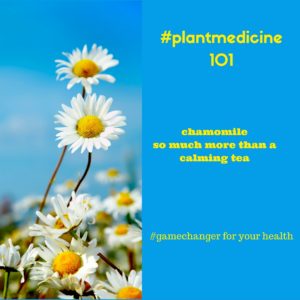
Chamomile – Why it’s way more than a calming tea


What is Chamomile used for?

The combination of essential oils and the bitter taste together make for a powerful ability to:-

– reduce any inflammation and promote healing, especially in your gut.

– a mild relaxant for the smooth muscles of your gut, uterus, bladder and respiratory tract

– excels at treating “nervous stomach”, which generally implies digestive upset alongside anxiety and nervous tension.


What makes Chamomile so effective?

Chamomile’s has a high essential oil content, that has a specific relaxing, calming effect on your nervous system.

These aromatic oils are also responsible for Chamomile’s actions as a digestive – relieving stagnation in the form of gas, gu

t cramping and mild constipation.

Herbalists – call it the ‘Mother of the gut’ as its bitter flavour gives it the distinct effect, it has one’s digestive system, increases the secretion of digestive juices and enzymes, also providing calming properties.

Why should you keep Chamomile in your herbal first aid cabinet?
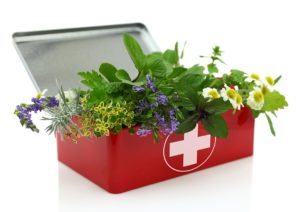
A simple cup of chamomile tea is a wonderful healing tool use it to:

  • reduce gut inflammation, pain and cramping. It will promote healing of your gut lining and improving overall digestion.
  • And of course, reducing any anxiety that may be aggravating or triggering the gut issues in the first place.

I recommend you always have a box of chamomile tea as it’s an essential tool in your home’s ‘Natural First Aid Kit’ and you can use it for when you (or anyone in your family) has:-

  • Stress or anxiety
  • Nerves or a nervous stomach
  • Stomach ache
  • Upset tummy
  • Constipation
  • Inflammation
  • Insomnia

How will a herbalist use chamomile?

I will more than likely include Chamomile when I create a herbal formula for a client when they’re experiencing anxiety or stress along with any digestive disorders (ie a leaky gut, irritable bowel syndrome (IBS) or dysbiosis).

A Herbalist will tailor your herbal formula depending on your specifc needs, with the correct dosage and combination of herbs.


To find out more about how you can have optimum wellness as you enter your 40’s and feel radiant have vitality, and energy to do all that you want to have radiant skin, calm any digestive issues, cope better with stress, anxiety and have much higher long-lasting energy levels

You can make use of my Complimentary 15 minute phone call to get your questions answered

please contact sue@suehardman.com.
 

Filed Under: blog Tagged With: anti-inflammatory, anxiety, calming, Digestion, digestive, first aid, gut, Herbal First Aid, Herbs, IBS, insomnia, Natural Medicine, nervous, Plant medicine, Plant Medicine 101, relaxant, stress, Stress lowering

Wonderful Ginger – so much more than an anti-nausea remedy

August 12, 2017 By admin

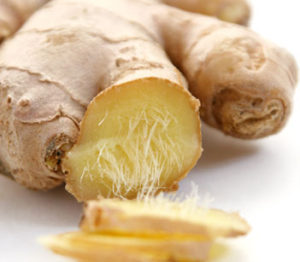
gingers healing propertiesGinger a wonder botanical medicine

Ginger, has been cultivated and used medicinally since antiquity and is used throughout the world as a medicinal agent, from the traditional medical systems of the west, China, India, Indonesia, Thailand, South Africa and South America.

It’s from the same family as turmeric, which possible explains its amazing benefits. The medicinal benefits come from the pungent gingerols and shogaols, and they account for the majority of ginger’s health benefits acting as a highly potent antioxidant and anti-inflammatory agents.

Gingerol, has been thoroughly evaluated clinically, and the research backs up why you should use this herb on a regular basis.

Top 8 Benefits of Ginger

Ginger is a mainstay of traditional medicine with powerful benefits for just about every system in the body. Research shows it’s effective in several health conditions and that it is a multi-faceted remedy:-

1) The best-researched use of ginger is in combating nausea, cramping and vomiting, by neutralising stomach acids and stimulating the production of digestive juices.It has powerful anti-inflammatory botanical hence it’s effectiveness in relieving digestive irritation. Use it to treat your stomach ache (especially when due to undigested food), poor appetite, dyspepsia, flatulence and nausea.

2) Heart health – It can help to lower high blood pressure and keeping the blood thin in higher doses.

3) Ginger root contains compounds called gingerols which, studies say, help calm down the inflammatory “heat” that triggers swelling and discomfort in joints, muscles and other tissues.

75% of Rheumatoid Arthritis and osteoarthritis patients experienced relief in pain and swelling, and all patients with muscular discomfort experienced relief of pain – in an uncontrolled clinical study using dried ginger.

Being a warming circulatory stimulant ginger increases circulation to the affected joints and enhances the effectiveness of other anti-inflammatory’s in a formula.

ginger2

4) Poor Immune and respiratory health – it’s an anti-viral and makes a warming cold and flu remedy. In addition, this root is a natural decongestant and antihistamine, and is often included in herbal cold and cough preparations.

In Ayurvedic medicine it is used for the immune system because it is so effective at warming the body, it can help break down the accumulation of toxins in your organs. It’s also known to cleanse the lymphatic system preventing toxins from accumulating so that your less susceptible to infections.

5) It has anti-pain properties by lowering the body’s production of prostaglandins (hormones involved in inflammation).

6) Poor digestion and malabsorption – if your body is not digesting or assimilating nutrients correctly you will end up with nutrient deficiencies.  This is why ginger is so important. As we age our digestive ‘fire’ also decreases, try some fresh ginger just before a meal to stoke your digestive fire and support a healthy gut!

7) Fungal infections are increasingly resistant to conventional medicine, of the 29 plant species evaluated in a University study, ginger won the prize for having the extract most effective at killing fungus.

8) Researchers have found that compounds in ginger interrupt the cycle of cancer cell development—in a sense, throwing a spanner into the gears of the tumour machinery. Ginger oils provide compounds that interrupt inflammatory triggers that can cause the development, growth, and spread of tumors.

How To Use Ginger For Maximum Benefit

FullSizeRender-3
In India, ginger is liberally used in daily life. Ginger-infused Chai is a household favourite.

On dining tables in India, you’ll see fresh ginger that’s turned a soft pink from being soaked in lemon juice and salt: a zingy accompaniment to any cooked meal.

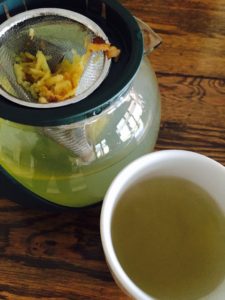
You can grate it up and squeeze it into a hot tea (this is my favourite), add it to juices, baked goods, smoothies and more… experiment and have fun.

For a powerful anti-fungal, mix several drops of pure ginger essential oil with tea tree oil with one teaspoon of coconut oil, and apply up to three times a day.

Herbalists frequently add ginger to herbal formulas, as it’s known to play a role in increasing the bio-availability of other substances and it’s actions – Clears Heat & Toxins.


If you haven’t signed up for my regular updates and newsletter, you can sing up here

or grab a copy of one of my free gifts here.


5 Steps to Great Gut Health & Ditch The Bloat


5 Foods that will boost Your Energy Levels and Help You Lose Weight Naturally.


Live a dynamic life and increase your vitality using these 10 steps


KICKSTART YOUR WEIGHT LOSS WITH GREEN SMOOTHIES

Join the Lean & Green Smoothie Challenge

Free Resources

Filed Under: blog Tagged With: anti-ageing, anti-inflammatory, Anti-viral, antioxidant, ayurveda, Colds, ginger, heart health, Herbal First Aid, Herbs, IBS, immune system, metabolism, Natural Medicine, Plant medicine, Plant Medicine 101

Adaptogens The Answer To Fatigue, Stress or Anxiety

June 2, 2017 By Managed WordPress Migration User

Adaptogens boost energy levels and help your body cope with stress.

“The higher your energy level, the more efficient your body. The more efficient your body, the better you’ll feel and the more you will use your talent to produce outstanding results.”Tony Robbins

Do any of these sound familiar:-

  • Your life is constantly busy and you’re always racing from one thing to the next?
  • Constantly on the go, juggling – very busy schedule? Panic about time.
  • Energy levels not what they used to be?
  • Too tired to do most things, even exercise that you know you should do?
  • Feeling anxious?
  • Not getting a good nights sleep, waking often?
  • That extra band of fat around the middle, that you’re struggling to lose?

Then this might be of interest to you.

If your stressed and fatigued you might often reach for a coffee or some form of sugar, to give you a quick lift. Usually there’s a crash afterwards and to get that lift again you need more caffeine or sugar.

Your day could turn into a roller-coaster ride of highs and lows. There are other ways to get through the day – and one of my favorites is with “adaptogens,” the special herbs that help your body adapt to stress and resist fatigue.

In China and India the use of tonics to fortify health and promote longevity dates back thousands of year. Research on these tonic herbs called adaptogens began in 1947, which showed that they have remarkable health-protective properties and that they play an important role in helping strengthen resistance to the daily stresses of life.

Herbal adaptogens, like Siberian ginseng help your body to use energy more effectively and people from all walks of life who work hard and play hard have experienced these benefits.

They help strengthen your body’s response to stress and enhance its ability to cope with anxiety and fight fatigue – slowly and gently, without jolts or crashes like caffeine. The effects are initially subtle and although it may take time for the benefits to be felt, they are certainly real.

The use of herbal adaptogens to improve athletic performance became more widely known when it was reported that the 1994 Russian Olympic team had been using Siberian ginseng as part of their training problem (Eluethrococcus senticossus), they went on to win 11 gold medals.

Dr. Nikolai Lazarev defines an adaptogen ‘as an agent that allows the body to counter adverse physical, chemical, or biological stressors and allows the body to “adapt” to the stressful circumstances’ and use oxygen much more efficiently.

Extensive research and experiments done on Russian athletes using ginseng; ‘scientists have reliably demonstrated the value of adaptogens for increasing endurance and shortening recovery time from both training and sports injuries’.

Of course if adaptogens can benefit a well trained athlete, thenimagine how that can help you with your anxiety, ongoing exhaustion and stressful lives.
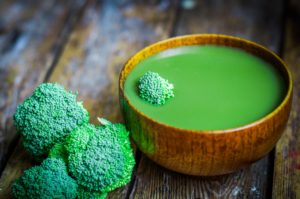
These are a few adaptogens you can consider using – Ashwaganda, Reishi, several types of Ginsengs, Licourice, Schizandra berries, Rhodiola and many others.

Ashwagandha (withania somnifera) is an ancient plant with an impressive 3000 year safety record. It’s highly prized by ayurvedic practitioners and western herbalists due to its reputation for strengthening your nervous system and increasing a person’s ability to cope with stress.

Ashwagandha is an adaptogen, it’s has calming and relaxing effects on your body and is most famous for its rejuvenating and nourishing qualities. By supporting the proper functioning of the adrenal glands, boosting immunity and improving brain function, it’s been used for many years as a remedy for insomnia, anxiety and stress. It has a reputation for boosting the immune system after long periods of illness or stress.

Scientists who studied the plant’s ability to reduce high levels of the stress hormone cortisol – participants reported reduced fatigue, improved sleep, and most impressive of all, a 26% reduction in cortisol levels. This has implications for many modern stress related conditions such as adrenal dysregulation/fatigue and burnout.

It has a reputation among athletes for helping to increase stamina and performance, those who work long hours. amazing ability to help improve memory and cognitive function, helpful for students during stressful exam periods.

Herbalists use adaptogens to support adrenal function, enabling cells to access more energy and helping them eliminate toxins and improve the body’s natural rhythms. Though they all work in these similar ways, each adaptogen has a distinct personality and unique medicinal qualities.

To find out more about how you can manage your stress, anxiety or energy levels please contact sue@suehardman.com.


If you haven’t signed up for my regular updates and newsletter, you can grab a copy of one of my free gifts here.

5 Steps to Great Gut Health & Ditch The Bloat


KICKSTART YOUR WEIGHT LOSS WITH GREEN SMOOTHIES

Join the Lean & Green Smoothie Challenge

Filed Under: blog Tagged With: adaptogen, anxiety, ashwaganda, burnout, fatigue, ginseng, herbal medicine, Herbs, stress, Stress lowering

Broccoli and Potatoe Soup

May 8, 2017 By admin

Broccoli Soup


1 tablespoon of olive oil

1 onion, finely chopped

2 garlic cloves, crushed

4 cups salt-reduced vegetable stock

400g/14oz potatoes, peeled, coarsely chopped

450g/1lb broccoli, cut into florets

2-3 handfuls of baby spinach leaves

1/2 cup fresh basil leaves

1/3 cup light sour cream (optional)

1 tablespoon store bought basil pesto / homemade


METHOD

Heat a large saucepan over medium heat with the olive oil.

Add the onion and cook for 5 minutes until soft. Add the garlic and cook until lightly browned.

Add stock and potato to the saucepan. Bring to boil. Cover. Reduce heat to low. Simmer for 15 minutes. Add broccoli and simmer for 6-7 minutes or until all vegetables are tender.

Remove from heat, add spinach and stir until wilted. Leave to cool slightly so you can blend. This might take up to 15 minutes.

In a blender add basil leaves and half of the soup mixture and blend until smooth. Pour into a clean saucepan and repeat until all the soup mixture has been blended into a smooth consistency.

Heat soup over medium heat for 2 minutes or until just before boiling point.

Combine sour cream and pesto in a bowl. Divide soup among bowls. Top with pesto cream and serve.  For vegan option, simply top with a half teaspoon of the basil pesto and omit the sour cream.

Filed Under: blog Tagged With: anti-ageing, anti-inflammatory, antioxidant, Balanced diet, energy, Herbs, hormone balancing, recipe, regenerate, Womans health

Brain Health – Use These Steps To Regenerate It

April 23, 2017 By admin

You can regenerate you brain

We were always told once a brain cell dies, it’s gone forever. However, scientists are now proving that brain cells can be regenerated. Just like your muscles the brain needs regular use.

While many diseases and conditions have genetic predispositions to them. The truth is, you do have the power to control these genes by living healthily. All your brain wants is a little attention.

The same basic rules apply for both your brain and body when it comes to health. A well-balanced healthy diet, with a rainbow of colourful food, lots of good oil, exercise for oxygenation, and time out.

Free radicals break down the neurons in your brain causing damage. Colourful fruits and vegetables are packed with antioxidants – the dark purples ofAntioxidants for brain health blueberries, the deep reds of pomegranates, the rich green of kale and collards, the bright orange of sweet potatoes.

A recent study in the Journal of the American Medical Association found that people who ate more dietary antioxidants had 70% less Alzheimer’s and dementia.

Food is a powerful ways to control or neutralise the major causes of all disease in your body – aim to eat 8 – 10 servings (1/2 cup = 1 serving) of fruit and vegetables everyday.

Oil and more oil, everyone of your brain cells is insulated by a layer of fat, and your brain is made up of 60 percent fat cells. So it needs oil for nourishment. Among the best nutrients are omega 3 fatty acids – the kind of fats found in salmon, tuna, mackerel, nuts, sesame seeds, pumpkin seeds and green leafy vegetables.

In fact Omega 3’s have been shown to boost intelligence. Walnuts are considered a super brain food in Ayurvedic medicine and if you look at a walnut shape it looks a lot like the cerebral cortex.

Exercise is one of THE most important anti-aging medicines known. It’s a natural antioxidant, anti-inflammatory and stress buster. It will also help you sleep better, lower your cholesterol, lower your blood sugar and insulin levels. Aim to exercise 4 times a week –whether it’s walking, running, swimming or dancing, your brain will thank you.

Some supplements to consider if you’re under a lot of stress – take a good all round combination that contains vitamins, minerals and antioxidants. B-Vitamins are essential for normal brain function.

Super anti-ageing herbs:

  • Rosemary, sage, rose and mint – research has shown that inhaling these essential oils when learning a new task or studying enhances your recall. Put them in an oil burner when studying or rub into your temples.
  • Gingko bilobo – very commonly used supplement to enhance cognition and memory as it helps to increase blood flow to the brain. A word of caution for those people on blood thinning medication, consult a qualified professional.
  • Gotu kola – traditionally used and renowned for it’s intellectual-promoting, nervous system soothing and general mind enhancing properties. This is one of my favourite herbs Herbs for the brainbecause it has so many benefits, to name a few – anti-ageing & wonderful skin healing benefits.
  • Rhodiola – can greatly improve concentration and memory. In Siberia where they drink Rhodiola tea regularly, many people live well past 100. It also has the ability to reduce stress hormones.

As renowned women’s health expert Dr Christine Northrup says ‘Be a life long learner’, she believes this could be one of the most important factors in maintaining and enhancing your brain function, be actively engaged in some pleasurable activity that involves growth, development and learning. Do crossword puzzles or suduko.

So why wait? Start protecting your brain now because mental decline is not inevitable, you can boost your memory and mental alertness at any age. Research shows clearly that healthy, well-nourished and well-educated people show no signs of declining mental function with age. Feed your brain, both with the right nutrients and the right information.


Get your copy of the FREE e-book:
5 Foods that will help boost Your Energy Levels and Lose Weight Naturally.

 Sign up by clicking: HERE

When you sign up you’ll also receive ‘The Good Health Guide’ newsletter with inspiration, practical, easy to follow tips and articles on healthy eating, recipes, exercise and natural medicines to help you live a healthier life.

These newsletter are all delivered straight to your inbox.

This is what readers of the ‘The Good Health Guide’ newsletter are saying about it:

  • Just to say that I do really like your newsletters and many thanks! I always read them all the way through and there’s not many newsletters I can say that about. Sue Saker – London UK www.thecouplescoach.co.uk,

  • Thanks for this – I love receiving your emails ! So interesting.
    Emma – London UK
     The Decor Cafe.

  • Fabulous, Excellent Sue!!
    Julie Cleverdon – South Africa. Director of The MTN Science Centre mtnsciencentre.org.za

  • I love your updates Sue -find them really informative and useful. Thank you for sharing important information so freely, what a gift to the health of humanity.
    Pippa Dowding, Leadership Coach and Facilitator – Cape Town, South Africa

  • This is a great newsletter Sue! (caroline@carolinecain.com)

  • Great artical, keep them coming. Doug – Frankfurt, Germany

Filed Under: blog Tagged With: anti-ageing, anti-inflammatory, antioxidant, Balanced diet, brain health, good oil, Herbs, Natural Medicine, Plant medicine, regenerate, Womans health

Part 2: Have You’re Hormones Suddenly Gone Crazy or Are You Perimenopausal?

August 10, 2013 By admin

In Part 1, we took a closer look at perimenopause (versus menopause) what the common signs are, how you can use food to address hormonal imbalances and how it can start as early as your 30’s (if you’re unlucky enough to experience that).

The 1st strategy included essential foods and how they can have such a huge impact on helping you balance your hormones. If you missed it you can read it on my blog here.

If, however, you’ve been following the recommendations and you’re still struggling with annoying and maybe debilitating symptoms, you may need a little more to get your body back into balance.

You might want to consider using some of nature’s medicines like herbs and a combination of nutritional supplements to address any deficiencies, that may have built up over the years.

Strategy #2: Which Supplements?

  • Women’s Multiple vitamin & mineral formula – most of us aren’t perfect, myself included, when it comes to getting all the nutrients you’re body needs on a daily basis from food. Taking a multi is my insurance policy, this way you can be guaranteed to get some of the basic nutrients you need everyday.Make sure it contains at least 50 – 100mg of Vitamin B. The British Journal of Obstetrics and Gynaecology, reviewed studies that show how Vitamin B6 is thought to be unique in its ability to increase the synthesis serotonin and dopamine, which if are too low have been implicated in hormonal symptoms or PMS.
  • Omega 3,6,9 or EFA’s (essential fatty acids – found in oily fish, chia and flax seeds) I can’t emphasise enough, how much you absolutely need good oil in your diet, forget the low fat craze it could be very detrimental to your body. EFA’s play an essential role in producing the hormones your body needs plus so many other things – the list is very long. You have to get your EFA’s from food or supplementation because your body cannot make them.If you have PMS, cramps or abnormal bleeding get yourself some Omega 3 & 6 as they are essential for the reduction of inflammation in these situations. Some options – flax or chia seeds (high in omega-3 fatty acids), borage oil (high in 3 and 6), evening primrose oil(high in 3 and 6), and fish oils (high in omega- 3 oils)·
  • Vitamin E – handy if you’re struggling with hot flushes or breast tenderness, consider taking a daily dose of 400 IU of natural vitamin E (as mixed tocopherols and tocotrienols) to help alleviate your symptoms.NB: This is a very short list of the essential supplements every women should consider taking as part of her daily routine. If you have specific issues and imbalances your nutritional requirements may be very different to someone else’s and might need a more in-depth investigation.

Strategy #3: Herbal Medicines

Herbs can be used with your new and frustrating symptoms of PMS or Perimenopause. You may need one or a combination of herbs. It all depends on whether you have low or high – oestrogen, cortisol, progesterone or testosterone levels?

If your treating yourself at home, try one herb at a time or better yet consult a qualified herbalist as they use combinations based on your situation.

The most well known herbs used are those that contain phytoestrogens (soya, red clover, fennel, licourice, dong quai, black cohosh), with oestrogen like effects in the body. However a hormonal imbalance is never so simple and often requires a combination of herbs and actions.

The most commonly herbs used for perimenopause include:-

  • Dong quai – is known both in China and the West for its ability to support and maintain the natural balance of female hormones. Avoid if with heavy bleeding.
  • Black cohosh – One of the best-studied herbs used for supporting and maintaining your hormonal levels and lessening the severity of hot flashes. In one of the largest studies, results showed as early as 4 weeks, clear improvements in the menopausal ailments in 80 percent of the women. Complete disappearance of symptoms occurred in approximately 50 percent. Symptoms included hot flashes, night sweats, headaches, insomnia and mood swings. The other studies reported improvements in fatigue, irritability, hot flashes and vaginal dryness
  • Hops contains a potent phytoestrogen and is used for hot flushes associated with anxiety or stress, and associated insomnia (sleeplessness).

However a herbalist might also consider including the following herbs in a formula:-

  • Siberian ginseng – is one of my all time favorite herbs and I take this regularly as it reduces mental and physical fatigue, and helps to enhance the ability to cope with various physical and mentalstressors by supporting you’re adrenal glands. It has also been used to treat vaginal changes, like dryness, due to lack of oestrogen. Ginseng is for you if you’re – stressed, tired or perimenopausal.
  • St John’s Wort – is not a phyto-oestrogen herb but it can be very useful for hot flushes triggered by anxiety or stress. It can also be used for mild to moderate anxiety and depression associated with hormones.
  • Other herbs that would be considered are – red clover, lemon balm, oats, passiflora, ashwaganda, shatavari plus many more.

Your situation might be very different to someone else’s – none of us are alike.  If you’re confused or tired of trying a number of things that aren’t working then it might be a good time to start dealing with the cause and imbalances.

If you really want to find a solution for what’s going on in your body and causing you a lot of unhappiness or frustration, my detailed hormonal questionnaire will help us identify where exactly your imbalances are so that your issues can be addressed correctly, without guessing, and help you get started on your journey to optimal health and wellness.

Please do get in touch you can contact me at sue@suehardman.com

If you don’t want to miss any future newsletters or blogs please sign up here  in the sign-up box. 

Filed Under: blog Tagged With: Headache, Herbs, hormone balancing, hormones, insomnia, menopause, Natural Medicine, peri-menopause, Plant medicine, Womans health

  • « Go to Previous Page
  • Page 1
  • Page 2
  • Page 3

Footer

Recent Posts

  • Non-stick pans are they making you ill?
  • Stress is Not Good For Your Immune System
  • Hummus so much more than a dip

Copyright © 2026 · Genesis Sample on Genesis Framework · WordPress · Log in