• Skip to main content
  • Skip to footer

Sue Hardman

Nourish + Rejuvenate

  • Start here
  • About Sue
    • Praise
    • Naturopathy & Herbal Medicine
  • Work With Me
    • Free Women’s Holistic Health Audit
    • 90-min Clarity Consultation
    • Total Transformation
  • Free Resources
    • Ditch the bloat in 3 days
    • End Your Sugar Cravings
  • Blog

insomnia

Low stomach acid causing digestive, low energy and skin issues?

October 25, 2018 By admin

Could Low Stomach Acid Be The Reason For Your Gut, Low Energy & Skin Issues?
how you digest your food is important

The gut is the key to your vitality and therefore your ability to digest, absorb, assimilate and eliminate waist is critical.

Sadly, many people never ask the question “Is my stomach functioning properly?” And as a result we can make all kinds of unnecessary dietary changes and spend loads of money on supplements that might have been avoided.

So, have you tested yourself for low stomach acid?

The answer is most likely “no,” because stomach acid is one of the MOST UNDER- LOOKED areas and I cannot stress how important this is…as almost 70% of the people I work with have low stomach acid.

When I started taking betaine HCL for low stomach acid, I was surprised at the huge difference this has made. It is one of the most helpful supplements I’ve come across and it has significantly helped improve my own digestion.

Common Signs You May Have low Stomach Acid

Your gut is a key and as Hippocrates put it, “All disease begins in your gut.”  So if your gut’s not happy, it could be the reason for your…..

….Bloating? Wind? Cramps? Heartburn? Loose Stools? – messages from your body that there’s something going on in your gut and it’s time to do something about it?

In some cases poor gut health and digestive disturbances could be the root cause of seemingly UNRELATED symptoms.

You may also be struggling with:

  • Achy joints, fibromyalgia, osteopenia, osteoporosis
  • Hormone imbalances – hot flashes, loss of libido, PMS and painful menses. Extra pounds around your waist
  • You might feel tired and rundown
  • Moody, irritable, sad
  • Insomnia, poor memory & concentration,
  • Dull lifeless skin & hair

Why Is Stomach Acid So Important?

Stomach acid or hydrochloric acid (HCL) is responsible for sterilising any food that enters your gut and it breaks down protein.

Low stomach acid creates a cycle of poor digestion, gut inflammation, microbial over- growth, leaky gut and lowered nutrient absorption. The only things that can break this loop is to reduce stress and support adequate stomach acid production.

The Problem With HAVING Low Stomach Acid:

When your body doesn’t produce enough stomach acid, it’s unable to digest protein molecules. These partially digested protein molecules enter your small intestine, and will start to irritate your gut lining and can lead to ‘leaky gut syndrome’.

Poor digestion also creates an environment in your gut that can result in small intestinal bacterial overgrowth (SIBO), candida overgrowth and parasitic infections.
DIGESTIVE ISSUESWhen your food is not digested properly it can lead to increased inflammation that depletes key minerals and leads to an inability to form stomach acid and the vicious cycle continues.

Some Causes of Your Low Stomach Acid:

This could be anything from stress, poor diet, bad relationships, bad posture, constant worry and fear and overuse of medications.

1) Medication –  increase your intestinal inflammation, stress hormones and a reduction in HCL production.

2) Chronic Stress impairs your ability to produce HCL and other digestive juices.

Proper digestion depends upon us being more in the parasympathetic (Rest & Digest) state, whereas chronic stress puts us in a sympathetic (Fight or flight)  state, causing POOR digestive function.

4) A diet high in processed foods, sugars, grains, alcohol and caffeine etc. Can result in mineral deficiency that is needed for the production of HCL

5) Eating Too Quickly – when you’re in fight or flight mode. You should feel relaxed before and after eating.

6) Small Intestinal Bacterial Overgrowth – there is a HUGE connection between SIBO and low stomach acid levels.

7) All our systems slow down as we get older, and so does the production of HCL! If you’re over 50 years, I highly recommend you do the test to check your HCL levels

8)  Food sensitivities cause stress in your body, which puts your body into chronic fight or flight. The most common offenders to consider avoiding are gluten, corn, soy, eggs, peanuts and pasteurised dairy.

If you do have a wide number of food sensitivities than it is a good bet you have low HCL.

Taking this simple inexpensive DIY test that can tell you a lot about the ability of your stomach to digest. 

The Baking Soda Stomach Acid Test:

This test is a simple chemical reaction in your stomach i.e acid + base = gas + water.   Baking soda ( the base OH-) + your stomach acid (HCL or acid H+) should produce carbon dioxide gas (CO2) and result in a burping effect.

To improve the accuracy, perform this test on 3 consecutive mornings to find an overall average and test first thing in the morning before eating or drinking anything.

Here is How You Can Do The Test:

1. Mix 1⁄4 tsp of baking soda in 120ml of water, first thing in the morning before eating or drinking.

2. Drink the baking soda solution

3. Time how long it takes for you to burp. Go up to 5 minutes. If you’ve not burped within 5 minutes then it would be a sign of insufficient stomach acid production.

If you have early and repeated belching than it may be due to too much stomach acid. However, it is important not to confuse these with small little burps from swallowing air when drinking the solution.

In the end, knowledge is power when it comes to your health. Take the time to understand how your stomach works and it just might change your life. Addressing low stomach acid might be one of the first places you could look to improve digestive health, heal leaky gut and reduce overall stress on the body.

The “4 R’s” program to Repair Your Digestive Function

This is the same  program I use with many clients with a variety of health and digestive issues.

  • Remove:  Food is the number one thing to to look at first when it comes to imbalances.

  Eliminate known food allergens such as gluten, dairy, eggs, soy, peanuts, etc. Alcohol, caffeine and NSAIDS should be avoided as well.   “removal” of pathogens such as: (an overgrowth of) yeast, parasites, harmful bacteria, viruses, protozoa, etc. is part of the “remove” step.

 In serious cases a stool analysis will diagnose infections that can be eliminated with natural medicines or medications.

  • Repair: Repair the intestinal barrier.
  • Replace:  Adding dietary supplements if necessary to improve digestion of food, like Betaine HC. Get in touch if you would like to order this supplement- sue@suehardman.com. We can deliver anywhere in UK and South africa.

  • Reinoculate:  Probiotics that contain friendly bacteria such as lactobacillus and bifidobacteria are taken to reinoculate proper bacterial colonies.

If you’d like to know more about this programme, contact me at sue@suehardman.com


In my
Filed Under: blog Tagged With: anti-inflammatory, Balanced diet, belly fat, bloated, candida, constipation, diarrhoea, digestive enzymes, digestive issues, fatigue, food sensitivity, glowing skin, Gut health, IBS, insomnia, metabolism, parasites, stomach acid, Stress lowering, weight gain, Womans health

Why you need to balance good gut bacteria vs the bad

July 11, 2018 By admin

manage dysbiosisLet’s start with the fact that your gut and the presence of healthy gut bacteria is linked to “the cradle of your immune system.”

There are both good bacteria and bad bacteria that live in your gut, that is often referred to as your Gut flora or your microbiome.

More and more research tells us about the importance of gut bacteria. The more we learn about the link between the health of your digestion or gut, the more clear it is that cultivating beneficial gut bacteria is critically important for all aspects of your health and well-being.

Gut bacteria has been linked to weight gain, inflammation and many other disorders, so the importance of a healthy community of bacteria in the digestive tract is very clear. Beneficial strains of good bacteria contribute to strong immune systems, maintaining healthy weight, and even our moods.

The nutritional value of your food is dependent on a healthy gut microbiome because if you can’t properly digest your food, you don’t benefit fully from the nutrients. You’re not what you eat, but rather what you digest.

Bad bacteria can cause inflammation and disease. Even autism is now being linked to undesirable gut bacteria.

The most important function of your gut is to metabolise and absorb nutrients from the food you eat, to nourish ever single cell in your body – your skin, brain, and all organs.

An upset digestive system can actually trigger or worsen acne, inflammation and rashes and can be caused by consuming too many processed foods, sugar or alcoholic drinks.

What does a balanced gut flora do for you?

Good bacteria works hard to keep the bad bacteria in your gut in check. If your gut gets out of balance and the bad bacteria outgrows or outperforms the good bacteria, then you’re more likely going to end up with gut dysbiosis, yeast, leaky gut, candida, SIBO, SIFO, and/or parasites.

 You inherited your gut microbiome at birth from your mother, as you moved through the vaginal canal (or not).

After that your diet and lifestyle become more important in their effect on your microbiome. Your microbiome consists of trillions of good bacteria/probiotics that are important for several key functions:

  • optimising your digestion
  • balances your mood, improve metal health
  • hormone balance
  • healthy weight maintenance, boosting your metabolism
  • supporting your immune system
  • synthesising vitamins K and other essential nutrients
  • helping prevent leaky gut
  • to digest fibre
  • supporting nerve function


NEWS FLASH! New research on how probiotics can help you lose weight. 

A 2017 Research study – women showed significant weight loss in just 3 weeks. The pre-obese and obese group lost 13.4 pounds, including 4 pounds of fat and 2.6 inches off their waist.  The “normal weight obese” group, (body fat > 30%) also saw results — they lost only 1 pound overall but 2 pounds of fat (they gained muscle). I find this really interesting!

What are the causes of your gut flora imbalances, dysbiosis (i.e more bad than good) and leaky gut?

  • Sugar
  • Stress– physical, emotional, mental.
  • Poor Sleep
  • Alcohol and smoking
  • Medications and Antibiotics!!
  • Poor Digestion of food –  increasing toxins and the load of bad bacteria in your system, fuelling the cycle.
  • Lack of exercise
  • Food Sensitivities- Even healthy food can be damaging if one is reacting to it i.e. gluten and dairy.
  • And ageing

Over time with long-term stressors, your gut immunity decreases allowing more toxins, chemicals, bacteria and even parasites to compromise the lining of the stomach and seep through to enter your bloodstream.

As your gut flora changes for the worse, your stomach lining becomes more permeable and results in what is now called – ‘leaky gut’.

 How do you know if you have dysbiosis?

  • Frequent gas or bloating
  • Brain fog, anxiety and depression
  • Food sensitivities
  • Skin issues – acne, psoriasis, eczema
  • Micronutrient deficiency
  • Chronic bad breath
  • Loose stool, diarrhoea, constipation, Irritable Bowel Syndrome (IBS)
  • Frequent “stomach bugs,” gastroenteritis, and/or food poisoning
  • History of prolonged antibiotics such as for acne or sinusitis
  • Carbohydrate intolerance, particularly after eating fibre and/or beans
  • Fatigue or low energy
  • Achy joints
  • Autoimmune conditions – Hashimoto’s, psoriasis, or multiple sclerosis
  • Sinus congestion
  • Difficulty losing weight
  • Cramping, urgency, and/or mucus in your poop once per week

If you have five or more symptoms, there is a good chance you have dysbiosis.

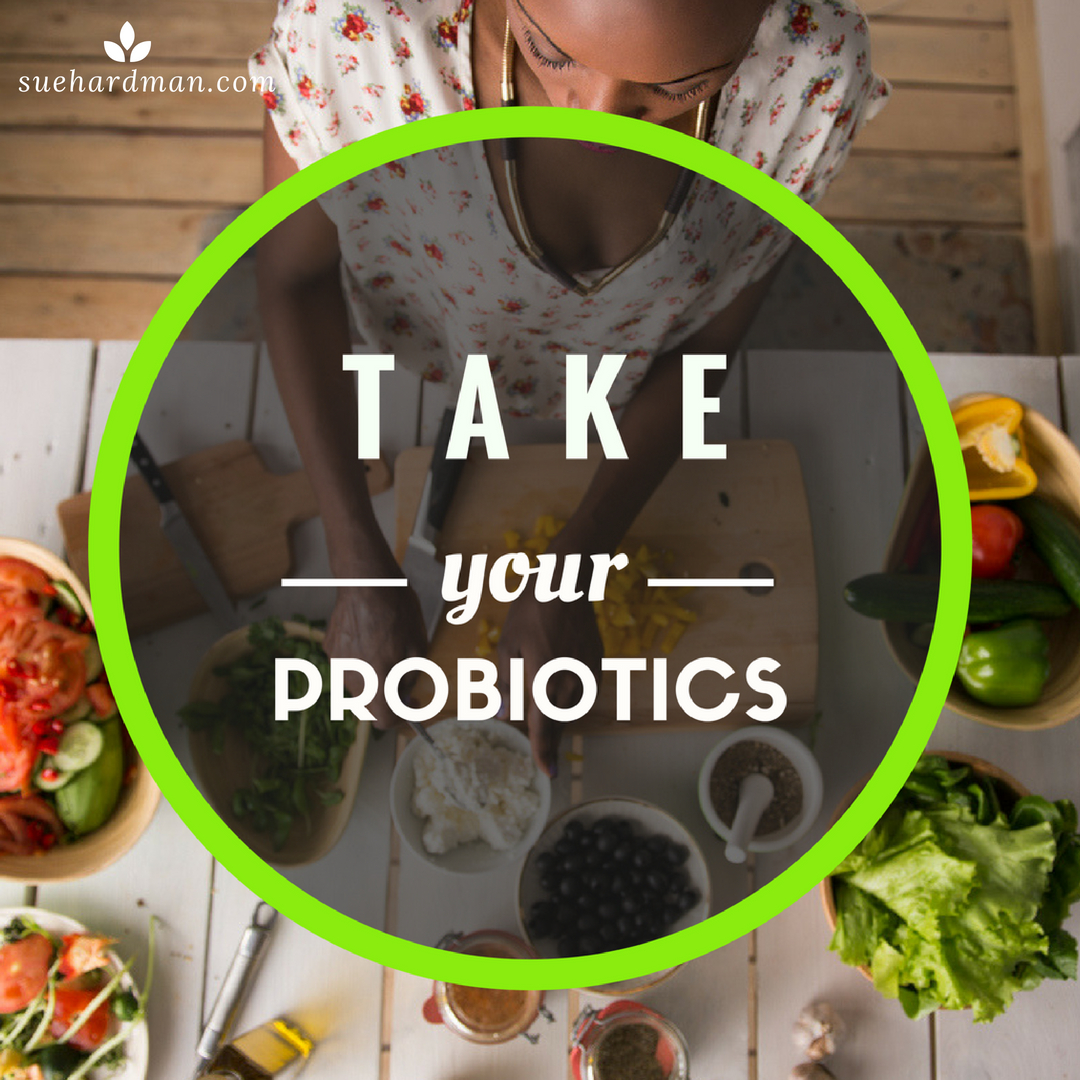
Using probiotics can help with overcoming dysbiosis

Dysbiosis can be tricky to diagnose and even harder to correct, and your rehab program will depend on the state of your gut and how committed you are to make changes.

Benefits of probioticsProbiotics have been shown to improve intestinal barrier function and reduce inflammation.

  • eat your probiotic-rich food such as cultured vegetables, sauerkraut, and kimchi–it’s a great way to jump start gut health repair.
  • Choosing the right probiotics
    The two most common probiotics to start balancing your microbiome are Lactobacillus acidophilus and Bifidobacteria bifidum – also very helpful for IBS.I would always suggest you take probiotics as a supplement rather than a probiotic drink. Many of theses drinks are loaded with added sugar, not good for controlling yeasts and other negative bacteria in your gut.

This is a good probiotic to start with and have recommend it to many of my clients over the years.

Click on the link to order on amazon, otherwise contact me if you live in a country without amazon to order your probiotic.

Some Research on the benefits of probiotics:

  • One of the first reports, published in 1961 by a physician Robert Siver was using lactobacilli to treat skin conditions. 300 patients who were given a probiotic and found that 80 percent of those with acne had some clinical improvement.
  • Probiotics also have the potential to protect against sun-induced damage. In one mice study, researchers found consuming probiotics provided protection from UV damage. In this study, one group of hairless mice were given oral administrated live Bifidobacterium breve strain Yakult for nine days, and another group consumed fermented milk containing the strain for 14 days. During the final four days of the study, the mice of both groups were irradiated using UV light for each day. Then, after a period of 24 hours, the skin was evaluated to determine elasticity, appearance, and interleukin-1beta levels (a marker for inflammation). The researchers found that there was a significant level of prevention through consuming the probiotics with both groups compared to a control group.
  • Probiotics have been shown to reduce systemic markers of inflammation and oxidative stress, both of which are elevated locally in those with acne.
  • Lactobacillus rhamnosus GG has been found to reduce the severity of atopic dermatitis in those with IgE-sensitive reactions
  • Lactobacillus rhamnosus TB helps with eczema.
  • Lactobacillus rhamnosus SP1 subjects who had acne consumed either LSP1 or a liquid without the probiotics. There was a 32 percent reduction in acne in the treated group, and they also had a 65 percent increase in the IGF1 and FOXO1. The placebo group experienced no changes.

Also maintaining a healthy, balanced diet rich in fibre is incredibly important in ensuring your gut stays healthy, plus drinking plenty of water, exercising regularly, getting enough sleep and trying to minimise everyday stress as much as possible.

The Gut health is also linked to…..

  • Your hormonal issues and symptoms may be linked to your gut – due to dysbiosis/Candidiasis.
  • The gut has a direct relationship with the liver as good bacteria promotes Phase I and Phase II liver detoxification and the excretion of oestrogen. Bad bacteria interfere with it.
  • Stress and high cortisol promotes dysbiosis and dysbiosis promotes high cortisol. Excess adrenal activity interferes with reproductive and thyroid hormone function
  • Then there is the direct relationship of oestrogen, progesterone and testosterone and the gut – more complex and less understood.

When you begin to replenish the friendly flora in the gut, you may feel some changes in your digestive system as the microbiome starts restoring a healthy balance. These changes are a positive shift that will bring you amazing benefits.

So now that we know all about the advantages of probiotics, what’s the next step? Probiotics come in all shapes and sizes and are made up of different “breeds” or strains, each of which can have a special benefit.

If you feel you have dysbiosis, leaky gut, skin issues, digestive troubles and want to know how you could benefit from using probiotics – please contact sue@suehardman.com


or book a FREE mini CONSULT, please call me on +27 72 7903125 or you can

click HERE and to book your appointment.

I’d love to chat on the phone/skype if you’re looking for more support managing your fatigue, low energy, hormonal imbalances and skin issues.

I so enjoy talking to women and helping them with their health. Please feel free to share if you have friends or family who might need help.


If you want to sign up for my regular updates and newsletter, you can sing up here and get  my free gifts.

5 Steps to Great Gut Health & Ditch The Bloat


Filed Under: blog Tagged With: anti-inflammatory, Balanced diet, belly fat, digestive disorders, energy, fatigue, glowing skin, Gut health, hormone balancing, IBS, insomnia, probiotics, toxins, weight gain

Vitamin D are you getting enough?

March 21, 2018 By admin

Most of Us Are Deficient, Even if You live in A Sunny Climate.

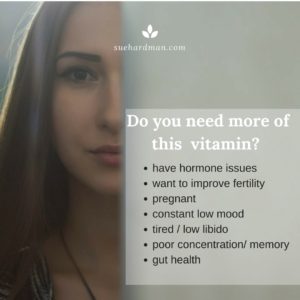
Just some of the things this vitamin is helpful with – Low Mood, Pregnancy, Weight gain, Low Immunity, Fertility, Thyroid, Gut, Brain, Bones, Heart…..are you sure you’re getting enough?


The level of Vitamin D deficiency is quite staggering, with most adults believed to be deficient  – think lack of exposure to sunshine, spending way too much time inside and sunscreens (if you happen to live in a sunny, hot climate) and we’re only getting a fraction of the vitamin D we need.

It is one of the most common deficiencies I see!

Some studies estimate that one billion people worldwide have insufficient Vitamin D levels. However, the rate of true Vitamin D deficiency is likely even higher, because new research indicates that the previous recommended levels of Vitamin D were actually too low.

The widespread deficiency of Vitamin D is concerning because it plays an important role in many areas of our health. It contributes to bone strength, hormones, heart health, and cancer prevention. And, it plays a hugely important role in your immune system and can be a determining factor in whether or not you develop an autoimmune disease.

 What is Vitamin D?

It’s name is slightly misleading, as vitamin D is both a vitamin and a hormone, stored in your liver and fatty tissues..

How Your Body Gets Vitamin D From the Sun

The amount of melanin (which is the substance that affects how light or dark your skin colour is) you have in your skin affects the amount of vitamin D you can produce; the fairer your skin, the more easily you can make vitamin D.

Melanin gets released when we are exposed to the ultraviolet rays of sunshine, which is why it’s often called “the sunshine vitamin,”  The more sunshine we receive, the more melanin is released in our skin. Cholesterol in your skin then converts melanin into usable vitamin D.

Signs You Might Be Deficient in Vitamin D

  1. Aches & pains – low levels can make you feel more feel more achiness in your bones and muscles,.
  2. Feeling blue – you might need to improve levels of serotonin that are known to boost your mood. Studies have shown healthy adults given vitamin D supplements during the cooler months reported greater positive mood than given a placebo.
  3. You’re 50 or older – your skin makes less as you get older, and your kidneys start to become less productive when it comes to converting vitamin D into the form the body uses. Many adults over 50 also end to spend less time outdoors and less sun exposure.
  4. You’re overweight – Vitamin D is fat soluble, which means the more body fat you have, the more it gets diluted. People who are overweight may require more daily vitamin D to make up for this dilution effect.
  5. You have darker skin – To make the same amount of vitamin D, someone with darker skin needs 10 times the amount of sun exposure compared to someone with very pale complexion.
  6. Use Sunscreen frequently – although sunscreen is highly recommended, a sunscreen with higher SPF levels, reduces your skin’s ability to make vitamin D.
  7. Fertility issues/ Low libido – Vitamin D deficiency can cause low oestrogen in women, which means low sex drive.  It also causes low testosterone in men.
  8. Lack of Sun – Most of us spend more time indoors, and time inside our homes sheltered from the sun.

Why is Vitamin D crucial for good health and preventing disease

Vitamin D is the precursor to your steroid hormones and is best-known for its bone supporting function. It’s also really important for regulating your insulin production to ensure optimum blood sugar balance, enhancing immunity, hormone production, supporting heart health and regulating your mood.

Bones

Vitamin D plays a role in calcium absorption into the bones. It has an effect on other important vitamins and minerals that contribute to your bone health. including vitamin K and phosphorus.

A deficiency can result in a softening of your bones called osteomalacia, increasing the risks for osteoporosis, fractures or broken bones.

Adequate levels can naturally slow the ageing of the your bones.

Hormones – Thyroid health, Fertility & Pregnancy

Vitamin D regulates the production of your thyroid hormones, one of the most powerful glands in your body, regulating everything from metabolism and body temperature to hormonal balance and sleep patterns, maintaining a healthy weight, your mood, immunity, energy levels, also keeping your hair, skin, and nails youthful and strong.

It’s also a key player in fertility, pregnancy and recovery. Therefore, if you want to increase your chances of a healthy conception, pregnancy, and postpartum period, protecting your thyroid is key.

Low levels of vitamin D can also interfere with proper testosterone and oestrogen production, leading to imbalances which can result in many unwanted symptoms.

Vitamin D linked with fertility success

A recent study published in the journal Human Reproduction  compared data from results of pregnancy tests and found women who were low in vitamin D were 34% less likely to have a positive result.

Reduces Breast Cancer Risks

It has been shown to help reduce the risk of breast cancer because it helps prevent abnormal cells from multiplying.

Immunity

Vitamin D can enhance your immune response against various infections such as tuberculosis, colds & flu and viral infections. It helps with healthy cell replication and may play a role in protecting against the development of autoimmune conditions

Vitamin D works as a kind of switch in your body, sufficient levels of Vitamin D reduce your risk of infections by strengthening your innate immune system. It triggers your immune system anti-microbial response, allowing you to quickly and effectively fight off invaders before they can develop into a full-blown infection.

It’s also been shown that vitamin D seems to prevent prolonged or excessive inflammatory responses. Inflammation is often at the root of many modern, chronic diseases and autoimmune disorders: multiple sclerosis, rheumatoid arthritis, irritable bowel syndrome and other digestive disorders, high blood pressure, and more.

Mood

Vitamin D also has an effect on your mood.  It activates the genes that release dopamine and serotonin. The lack of these neurotransmitters is commonly linked to depression.

This connection might help explain Seasonal Affective Disorder, or SAD when you’re getting less vitamin D, and therefore less dopamine and serotonin.

Ageing, Brain Health & Heart Disease

Elderly people with a moderate-to-severe Vitamin D deficiency are more likely to develop dementia and Alzheimer’s disease.

An international team of researchers spent six years looking at 1,658 Americans, aged 65 or older, who at the start of the study had not suffered from dementia, cardiovascular disease or a stroke—and who could walk without assistance. The team found that adults who were moderately deficient in Vitamin D were 53% more likely to develop a form of dementia; those with a severe deficiency were 125% more likely to be stricken with the disease.

How To Ensure You Are Getting Enough Vitamin D

Based on the current research, moderate sun exposure is best. Try to get out in the sun for approximately 15 minutes a day without any sunscreen (check the skin cosmetics you use, as most contain in-built sun protection factors that will block sunlight).

Due to the Western diet and an indoor lifestyle, it is becoming harder for us to maintain adequate levels of vitamin D in our body.

Food sources of vitamin D include oily fish, such as salmon, mackerel and sardines, eggs and raw milk.

Due to the increase of fish and poultry farming, vitamin D levels in these sources are lower than expected. For example, farmed salmon was found to have approximately 75% less vitamin D in comparison to wild salmon.

Therefore, a vitamin D supplement is essentially the best way of ensuring that we get your daily dose of vitamin D.

Get Tested

 The safest way to optimise your vitamin D consumption is to monitor your blood levels. To do so, order a 25-hydroxy vitamin D test, also known as the 25-OH D test. The optimal (not just “normal”) amount you want to see is 45 to 65 ng/mL, and in some cases, even higher levels are appropriate.

The RDA for vitamin D according to the USDA is 600 IU/day for adults. I often recommend getting 5000 IU/day, for a short term period to help raise the blood levels to adequate levels.

However keep in mind that this is a general recommendation and there is no way to know the exact amount that’s best for you without a blood test.

All vitamins are team players be sure have good levels of minerals such as calcium and magnesium that normally interact with it.

In Summary

I highly recommend that most of my patients get their vitamin D levels checked more frequently.

Why? Because having optimal vitamin D levels are crucial to nearly every single one of your body’s functions, and getting your vitamin D levels to right level sooner rather than later can prevent many chronic ailments from appearing later in your life.


I’d Like to invite you to make use of my offer of a FREE mini CONSULT, please click HERE and to book your appointment.

I’d love to chat on the phone/skype if you’re looking for more support managing your fatigue, low energy, hormonal imbalances and skin issues.

I so enjoy talking to women and helping them with their health. Please feel free to share if you have friends or family who might need help.

Filed Under: blog Tagged With: anti-ageing, anti-inflammatory, Colds, fatigue, fertility, Flu, heart health, hormone balancing, hormones, immune system, infertility, insomnia, menopause, metabolism, mood, peri-menopause, Vitamin D, weight gain, Womans health

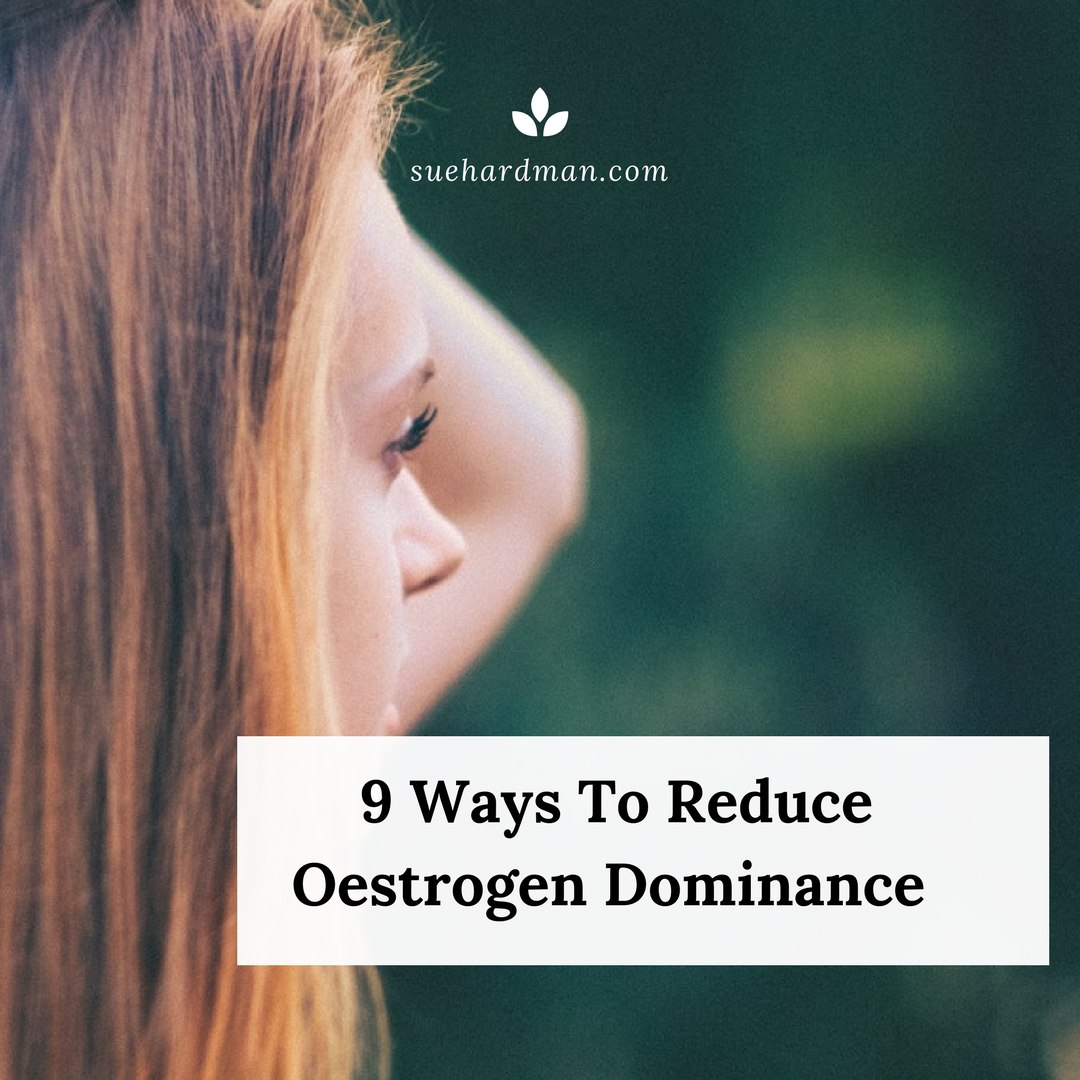
Oestrogen Dominance – 9 ways to reduce it

October 31, 2017 By admin

oestrogen dominance Are Your Oestrogen Levels In The Right Balance? 

Hormones are the chemical messengers that control major body functions. Any imbalance can wreak havoc on your health. Some of the most important hormones for us to understand and keep in a healthy balance are our sex hormones.

Each hormone needs to be in the right balance for you. In 30’s your hormones will have different levels to when you’re 50.

As you enter perimenopause (usually after 40) through to the age of 50, there is an approximate 35% drop in oestrogen, and approx. 75% reduction in progesterone occurring simultaneously. This is considered normal, however because oestrogen and progesterone are so dependent on each other, the dramatic decrease in progesterone production leaves many women with symptoms of oestrogen dominance, even if oestrogen levels are lower than before.

Oestrogen is a fabulous hormone:
– it gives you hips, breasts, and thighs.
– It builds up the endometrial tissue in your uterus during your cycle ( important when having a baby).
– It protects your brain, heart, and bones

There’s more than one oestrogen, be sure to have the good one!

Oestrogen is not a single hormone but a group of hormones that are present in both men and women. They’re produced by adrenal glands, fat tissue, the ovaries and the testis.

The term “Oestrogen” is an umbrella term for three hormones – estradiol, estriol and estrone.

Estradiol is the most commonly measured type of oestrogen for non-pregnant women. Estradiol varies throughout the menstrual cycle. After menopause, estradiol production typically drops to a very low but constant level.

Estriol levels usually are only measured during pregnancy. And Estrone may be measured in women who have gone through menopause to determine their oestrogen levels.

Excess estradiol can be dangerous. Many diseases, including cancers and fibroids, are associated with too high estradiol levels.

To complicate matters, when oestrogen is broken down into metabolites in the liver, “good” or “bad” metabolites and they can either help or harm your health and wellbeing.

Oestrogen breaks down into 3 different type of metabolites. They are:

  • 2-Hydroxyestrone (or 2-OH for short)
  • 4-Hydroxyestrone (or 16-OH for short)
  • 16-Hydroxyestrone (or 16-OH for short)

2-OH is beneficial. You need to make at least 70% of this.

4-OH is mostly not beneficial. You want to make 10% or less of this.

16-OH is mostly not beneficial. You want to make no more than 20% of this.

Women who metabolise a larger proportion of their oestrogen via the 16-OH pathway may be at a significantly elevated risk of breast cancer compared with women who metabolise proportionally more oestrogen via the 2-OH pathway.

The “good” metabolites are known to have high antioxidant activity, which provides protection for the brain and heart.

The “bad” metabolites have been tied to cancer and weight gain.

It would make sense that you would want to do what you can to increase the good metabolites and decrease the bad metabolites, increasing the 2-OHE:16-OHE ratio. It is believed that by doing so we decrease the risk for a number of oestrogen-responsive cancers.

So what happens if your body is producing too much or too little oestrogen?

When women experience insufficient oestrogen, they can experience symptoms – including trouble sleeping, headaches, decreased labido, irregular periods, mood swings and hot flashes.

You want oestrogen sticking around, but you also want it to stay in check. When it starts running the show and knocks other hormones like progesterone out of whack, oestrogen imbalance occurs.

Whether it’s extra inches (especially) around the middle, ongoing fatigue, skin issues, trouble sleeping, PMS, PCOS, fibroids or fertility issues you may have a hormone imbalance.

Hormones can effect your size and shape and may be the reason you’ve struggled with losing weight and keeping those extra inches off. Too much fat below the belly button, hips and buttocks may indicate you have a hormone imbalance, in particular oestrogen dominance.

As oestrogen levels rise, controlling your weight becomes really difficult, because fat cells also produce oestrogen. So the more fat cells, the more oestrogen is released into your body, and the more your fat cells grow.

The following symptoms are common among those with oestrogen dominance. What begins with mild symptoms in younger years often becomes moderate in the mid to late 30s, and severe by the time a person reaches their mid-40s.

If you are experiencing some of these symptoms, you may be experiencing some level of oestrogen dominance. You’ll be in a far better place if you address your hormone imbalances when they are still mild, it will also mean you’ll have an easier transition to the menopause.

MILD MODERATE SEVERE
Premenstrual breast tenderness Irregular menstruation Uterine fibroid tumors
Premenstrual mood swings Weight gain Endometriosis
Premenstrual fluid retention, weight gain Hair loss Fibrocystic breasts
Premenstrual headaches Depression Polycystic ovary syndrome
Menstrual cramps Fatigue Breast tumors
Thyroid dysfunction Infertility
Adrenal gland fatigue Thickened uterine lining
Headaches, migraines Accelerated ageing
Severe menstrual cramps Miscarriage
Heavy periods with clotting Anxiety and panic attacks
Joint and muscle pain Autoimmune disorders
Decreased libido Impotency
Insomnia and restless sleep Oestrogen related cancer
Dry eyes
Lowered libido
Prostate problems

What can cause oestrogen excess?

Oestrogen is a vital hormone for many functions in your body, but if it’s not in it’s natural form or at the right level for you then it will interfere with your hormonal activity.

According to the work of Dr. John Lee, the balance of your body’s natural hormones are disrupted because we are living in a ‘sea of oestrogens’ as a result of:-

  • Eating non-organic animal foods with high levels of hormones i.e meat, diary, chicken.
  • Increased synthetic oestrogens found in things like plastics (BPA), medications, synthetic hormones (the pill and HRT) and chemicals from beauty products and chemicals in your environment.
  • Pesticides that mimic oestrogen in your body and send messages to the hypothalamus that it needs to keep producing more and more oestrogens.

Dr. John R. Lee coined the term ‘oestrogen dominance’ to describe what occurs when a woman has deficient, normal, or excessive oestrogen but little or no progesterone to balance oestrogen’s effects.

excess weight - a hormone problemEven low oestrogen levels can create oestrogen dominance symptoms if you’re also low in progesterone. In my practice, I’ve found that these factors can create oestrogen imbalance:

  • Being overweight or obese (fat cells produce excess oestrogen)
  • Being overly stressed (adrenal hormones are overly stimulated)
  • Poor diet choices
  • Autoimmune conditions
  • Gut conditions i.e. constipation and dysbiosis
  • Environmental toxins

Chemicals—called xenoestrogens— can set the stage for oestrogen dominance. One study found that mineral water with xenoestrogens leached from plastic packaging material could create oestrogenic activity, and sadly, these chemicals are all over the place in our modern world.

That being said, oestrogen dominance doesn’t occur in a vacuum. often when oestrogen gets out of balance, other hormones like insulin and cortisol can quickly follow. 

9 ways to take charge of your oestrogen levels so that you can have your best life: 

There are some simple changes you can make to your diet and lifestyle that may be just what the Doc ordered.

  1. Get more fibre – Plenty of complex carbohydrates and fibre from beans, lentils, wholegrains, vegetables and fruit. Fibre helps your body eliminate excess oestrogens. That’s why the saying ‘An apple a day keeps the doctor away’, is still so relevant to you today.Eat moderate amounts of protein – legumes, fish, eggs & chicken. Good fats such as nuts, seeds, oily fish and cold pressed vegetable oils. Eating enough fats and protein are key to ensuring the correct hormone levels in our body.
  2. Help your body detoxify daily by supporting your liver. Among its copious nutrients, studies show indole-3-carbinol (I3C)—prevalent in broccoli and other cruciferous vegetables—prevents the development of oestrogen-enhanced breast, endometrial, cervical, and other cancers.Eat ‘a cup a day’ of cruciferous vegetables (broccoli, cauliflower, cabbage, brussels sprouts and kale ) to help your liver produce enzymes and provide sulphur needed for the liver’s detoxification processes and help you liver remove the bad oestrogens and keep the good ones.Milk thistle is also an excellent herb for the liver as it not only supports detoxification but it also repairs liver cells.Liver-healing strategies include eating quality protein, garlic and onions, taking a B vitamin. 
  3. Heal your gut. Once the liver processes oestrogen for elimination, your gut moves it out. Gut issues mean oestrogen probably isn’t making its way out efficiently and instead could be recirculating in your body. As you can see, identifying and treating underlying causes of your digestive issues becomes crucial to balancing hormones.
  4. Do some exercise. Moderate to high intensity exercise helps your body maintain normal levels of oestrogen – according to research. Do a mixture of exercise, including aerobic and try increasing your muscle mass by doing strength building exercise.
  5. Avoid the following as best you can.
    Alcohol – it impairs the optimum functioning of your liver by making it difficult to metabolise and remove excess hormones.
    Pesticides – Wash if You Can or Go Organic. There are a variety of chemicals and pesticides found in your food or drink that exert oestrogen like activity when absorbed into the body. These are found on non-organic fruits and vegetables as well as animal products.
    Plastics – these are also similar in structure to oestrogen and confuse the body’s hormone balance because they mimic the body’s own oestrogen. Use BPA-free plastic, glass or metal containers for water.
  6. Reduce the following.
    Body fat because it stores chemicals, if you carry excess fat around the middle you will tend to have higher oestrogen levels.Chronic stress – any form of stress (nutritional, physical, chemical, mental, environmental) can increase your cortisol levels and disrupt hormonal balance. Cortisol becomes the predominant hormone and starts to reduce other hormones like progesterone and thereby increasing oestrogen levels. If yoga or meditation aren’t your thing, even five minutes of deep breathing or laughing with your best friend can help lower cortisol and reset estrogen levels.
  7. Supplement smartly. A functional practitioner can help you design an oestrogen-balancing supplement protocol.Optimal vitamin D is also crucial, as studies show sufficient vitamin D levels can inhi
    bit breast cancer cell growth. Ask your doctor or health care practitioner for a 25(OH)D test.
  8. Get tested. Lab testing can reveal whether and why you have oestrogen dominance. I like the DUTCH test which stands for “dried urine total complete hormones” and this has more benefits than other testing methods.

    The biggest and brightest names in health are reccomending the DUTCH test….Dr Mercola and Chris Kresser are all loving this test. If you would like to own your hormones, it starts with knowledge and I can help you.

  9. Sleep becomes mandatory to balance your hormones. If you have trouble drifting into eight hours of solid sleep nightly, try a relaxing tea, a warm bath.

The great news is that you CAN shift your hormones back into balance by following these steps, and reduce not only the inches but also the detrimental effect of excess oestrogen.


To find out more about how you can have optimum wellness as you enter your 40’s and feel radiant have vitality, and energy to do all that you want to have radiant skin, calm any digestive issues, cope better with stress, anxiety and have much higher long-lasting energy levels.


Schedule Appointment


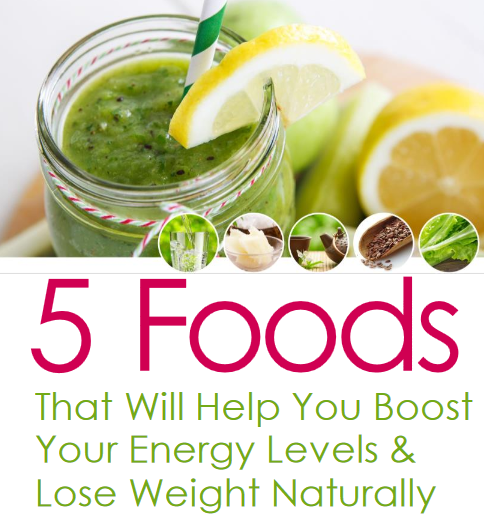
5 Foods that will boost Your Energy Levels and Help You Lose Weight Naturally. 

GET YOUR FREE GUIDE HERE

You may  be struggling with low energy or wanting to lose your excess weight, you might have  tried a number of diets and strategies that haven’t worked for you.

I know how frustrating this can be, and how confusing it is to try to make sense of all the conflicting nutritional information out there.

I put this guide together so you can start to learn how and why specific foods, and drinks, can help you have more energy and lose weight naturally. The information I’m sharing is not about the latest fad diet; it’s about adding in nutrient-dense foods that have been proven to both aid in weight loss and improve overall health at the same time.

While some of this may be new to you, with a little bit of practice you will find it is easy to add these ingredients into your diet on a daily basis. In fact, at the end, I’m going to share one simple recipe you can make in under five minutes that incorporates all of these foods. How’s that for healthy eating on the go?

I’m excited to share this information with you, so let’s dig in!

GET YOUR FREE GUIDE HERE


Filed Under: blog Tagged With: anti-ageing, Balanced diet, belly fat, detox, fatigue, fertility, heart health, Herbs, hormone balancing, hormones, infertility, insomnia, Liver, menopause, metabolism, Milk Thistle, Natural Medicine, peri-menopause, Plant medicine, Plant Medicine 101, PMS, toxins, weight gain, Womans health

Bittersweet Chamomile – Medicine for the ‘brain & gut’

October 25, 2017 By admin

chamomile for stress and digestion

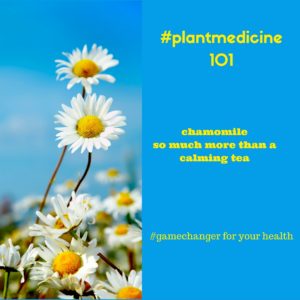
Chamomile – Why it’s way more than a calming tea


What is Chamomile used for?

The combination of essential oils and the bitter taste together make for a powerful ability to:-

– reduce any inflammation and promote healing, especially in your gut.

– a mild relaxant for the smooth muscles of your gut, uterus, bladder and respiratory tract

– excels at treating “nervous stomach”, which generally implies digestive upset alongside anxiety and nervous tension.


What makes Chamomile so effective?

Chamomile’s has a high essential oil content, that has a specific relaxing, calming effect on your nervous system.

These aromatic oils are also responsible for Chamomile’s actions as a digestive – relieving stagnation in the form of gas, gu

t cramping and mild constipation.

Herbalists – call it the ‘Mother of the gut’ as its bitter flavour gives it the distinct effect, it has one’s digestive system, increases the secretion of digestive juices and enzymes, also providing calming properties.

Why should you keep Chamomile in your herbal first aid cabinet?

A simple cup of chamomile tea is a wonderful healing tool use it to:

  • reduce gut inflammation, pain and cramping. It will promote healing of your gut lining and improving overall digestion.
  • And of course, reducing any anxiety that may be aggravating or triggering the gut issues in the first place.

I recommend you always have a box of chamomile tea as it’s an essential tool in your home’s ‘Natural First Aid Kit’ and you can use it for when you (or anyone in your family) has:-

  • Stress or anxiety
  • Nerves or a nervous stomach
  • Stomach ache
  • Upset tummy
  • Constipation
  • Inflammation
  • Insomnia

How will a herbalist use chamomile?

I will more than likely include Chamomile when I create a herbal formula for a client when they’re experiencing anxiety or stress along with any digestive disorders (ie a leaky gut, irritable bowel syndrome (IBS) or dysbiosis).

A Herbalist will tailor your herbal formula depending on your specifc needs, with the correct dosage and combination of herbs.


To find out more about how you can have optimum wellness as you enter your 40’s and feel radiant have vitality, and energy to do all that you want to have radiant skin, calm any digestive issues, cope better with stress, anxiety and have much higher long-lasting energy levels

You can make use of my Complimentary 15 minute phone call to get your questions answered

please contact sue@suehardman.com.


Filed Under: blog Tagged With: anti-inflammatory, anxiety, calming, Digestion, digestive, first aid, gut, Herbal First Aid, Herbs, IBS, insomnia, Natural Medicine, nervous, Plant medicine, Plant Medicine 101, relaxant, stress, Stress lowering

12 Strategies To Improve Sleep Naturally

October 2, 2017 By admin

Sleep Glorious Sleep Nothing Quite Like It

Sleep deprivation – it’s a little like Chinese water torture as far as I’m concerned.

I simply can’t function when I haven’t had enough sleep. So that’s the truth.

What works for me in order to have a good night’s sleep, is to include certain foods, avoid others, exercise, manage my stress levels, avoid screen time at night and follow a few essentials in my night time routine – altogether these ensure (most nights) that I get the refreshing sleep my body craves.

What about you? 

Once we were warriors. Now we’re worriers – anxious and stressed we can’t sleep.

You’re BUSY. This leads to stress and anxious feelings. A small amount of stress can be beneficial in limited quantities, but we’re talking about too much stress, which can have some detrimental effects on your health and well-being.

Stress causes hormones to be released, signalling to the body that you’re in immediate danger. It kick-starts a fight-or-flight response and boosts blood flow to your extremities to get you moving away from the ‘danger’.

Long-term stress causes an overload of stress hormones on your system. This can lower your immunity, lead to anxiety, cause digestive issues, increase your risk of heart disease, and of course contribute to sleep problems.

The body is simply not equipped to deal with prolonged periods of stress, so helping yourself to find the calm may be the missing piece to your health and wellness puzzle.

Even something as simple as taking deep, cleansing breaths from the diaphragm several times a day can help the body to recognize it is no longer in danger.

Research by the British Sleep Council found that 47 per cent of people find it difficult to get to sleep because of stress – and women are bigger worriers than men.

A third of American “undersleep,” according to the Centers for Disease Control (CDC) report. That probably means millions are walking around (and driving) tired, it’s a wonder we are not all asleep at our desks.

Why is this a problem?

According to the 2014 CDC report:
Sleeping less than 7 hours per night is associated with increased risk for obesity, diabetes, high blood pressure, coronary heart disease, stroke, frequent mental distress, and all-cause mortality…Insufficient sleep impairs cognitive performance, which can increase the likelihood of motor vehicle and other transportation accidents, industrial accidents, medical errors, and loss of work productivity that could affect the wider community.

Stress. Overwhelm. Feeling frazzled. Do any of these words describe how you feel?

Sleep Better – Live Better

Adequate sleep depends on certain lifestyle choices, as well as having the correct levels of these hormones – cortisol, melatonin, oestrogen, progesterone, thyroid, and insulin.

The importance of a good nights sleep

Getting enough sleep is as important for your body as eating right, exercising, and practicing good dental hygiene.

If you are having trouble sleeping, you aren’t alone – about one-third of adults experience insomnia occasionally. If you suffer with any sort of sleep deprivation or broken sleep it can have quite serious effects on your health for example:

  • It’s the body’s time to recuperate – lack of sleep prematurely ages you, as your body produces less growth hormone that helps you look and feel younger.
  • It can really weaken your immune system
  • With poor sleep you’re body produces less melatonin which has cancer fighting abilities, research has shown in laboratory animals with severe sleep problems tumours grow much faster
  • It affects your metabolism making you feel hungry even if you’ve already eaten, which leads to weight gain.  higher production of ghrelin (the “hunger hormone”), and too little leptin (the hormone that suppresses appetite, making you feel full), and you’re more likely to make poorer food choices, and eat more calories.
  • Seriously impairs your memory and concentration, sleeping only 4 to 6 hours—can impact your ability to think clearly the next day
  • Impair your performance on physical or mental tasks, and decrease your problem solving ability
  • It is also linked to heart disease, stomach ulcers, constipation, depression

Six to eight hours per night seems to be the optimal amount of sleep for most adults, the most rejuvenating sleep is obtained in the hours before midnight – try going to bed at 10pm


The natural way to better sleep

Sleep Hygiene

In summary here are some very effective tools you can use to help you manage your sleep issues:-

1. Try to go to bed at the same time every night. ‘Create a night-time routine with a few rituals to help your body, mind and nervous system relax.

2. Start with a relaxing Epsom salt bath with a few drops of real-lavender essential oil and spray your pillow with the lavender oil.

3. When you get into bed, try a few drops of Bach Rescue Remedy and take a good magnesium/calcium supplement combination. When you lie down and close your eyes have a calming place you take yourself to – visualise this and relax into this setting.

4. Get plenty of exercise during the day. The more energy you expend during the day, the sleepier you will feel at bedtime

5. Avoid large meals late in the evening.

6. Learn and practice a relaxation technique regularly: Breathing exercises, meditation and yoga are good examples.

7. Don’t obsess about not sleeping.

9. Foods – Tryptophan is an amino acid that helps to produce the hormones serotonin and melatonin, important for regulating sleep.. Foods rich in tryptophan: sesame seeds, fish, oats, turkey, lentils, eggs, bananas, gras-fed before lamb and beans.

10. There are also a number of herbs – Ashwaganda, Hops, Valerian, Passiflora, Verbena and Wild Lettuce – that have been used very successfully for sleep disorders Valerian sleepand to help improve your quality of sleep. Try them individually first and then perhaps in combinations; they’re available in most supermarkets or pharmacies. Try sleep pillows made of equal parts of hops, lavender, and chamomile and bath salts containing relaxing essential oils both help promote sleep.

11. While breaking bad habits are difficult, making lifestyle changes such as not having any caffeine after 1pm and avoiding back-lit technology (ipad, iphone, PC) after 8pm can have long term benefits for your health and your sleep. This blue light inhibits your production of melatonin, the hormone that tells your body and brain to feel sleepy and go to bed.

12. Bringing stillness to your mind – Meditation, stretching, Pilates and yoga all have their benefits in helping our bodies and minds relax, and can help prepare us for a better night’s sleep. Taking time out to relax helps to still the mind.

Most of us are over-stimulated and spend more time in fight or flight response than we should. Balancing the nervous system helps counter the stresses of our lives and environment.

Why see a qualified Herbalist? They can help you identify and address any underlying issues that could be causing your lack of sleep, and they are also able to use a wider spectrum of supplements and herbs (not available over-the-counter) to help you get that very essential sleep you are missing.

Sleep & Your Liver

You’re sleep, liver and detoxification pathways are also connected. What is the connection between sleep and the liver? Waking up at the same time every night between 1am and 3am, is your body’s way of communicating and is known as “liver time” in TCM (Traditional Chinese Medicine).

Each organ has a time of the day/night where it does it’s thing. Your liver is one of the hardest working organs in the body and it works during this time of the night. For the liver to function optimally, remove any congestion and detoxify you’re going to have to ensure it gets the essential nutrients for both phase 1 and phase 2 detoxification paths.

As we become more aware that the subtle hints from our bodies actually mean something, our body’s clues can be very helpful and insightful to us.

Your liver is always working to detoxify the body, if you’re eating food with the essential nutrients you can optimise your liver function.

There are many ways you can support the liver and your sleep habits. Detoxing occurs naturally, every night when you sleep.

The 14 Day Easy Detox program incorporates some of these tips so that your liver can detoxify while giving your body the support it needs for a good night’s rest:

  • Drinking lemon water in the morning
  • Reducing toxins that overload your system
  • Choose foods from the brassica family (broccoli, cauliflower, brussels sprouts) for their liver supporting properties
  • Eat enough protein to support detoxification
  • Avoid stimulants such as caffeine, sugar and alcohol.
  • Make time for you, and what you enjoy doing.

Getting enough sleep is the single best thing you can do to stay younger!

Like anything we usually know what we ‘should’ do however it’s often harder to put these changes or new habits into practice without some kind of support. 

If you’re looking for a gentle and effective way, that you can start to reset your health, make better food choices, improve your sleep, ditch your sugar addiction, eat clean and create a life where you’re flourishing.

I’d like to invite you to join us on the 14 day Easy Detox program all the details...HERE 

You’ll get 30+ recipes, shopping lists and so much more. There will be daily support all to help you get the most out of this program.

I want to support you so that you feel less bloated and tired. Lose weight, focus on removing refined sugar and junk food.

So if you want to do your body good – boost your immune system, look after your digestion, support your metabolism, lose weight then this EASY DETOX is the place to start.

And once you’re healthy on the inside then, your ‘outside’ starts to shift too 🙂

You can join us and get access to my 14 Day Love Your Body EASY DETOX Program PLUS I have an early bird special offer, meaning you save 60% from the usual price and get the tools you need to change your health for a lifetime.

Early bird offer ends on 6TH OCTOBER, and SAVE 60%.
 
So are you ready to FLOURISH? We start 16th October 2017.
 
Click here to find out more!

You can join us and get access to my 14 Day Love Your Body EASY DETOX Program PLUS I have an early bird special offer, meaning you save 60% from the usual price and get the tools you need to change your health for a lifetime.

Early bird offer ends on 6TH OCTOBER.
 
So are you ready to FLOURISH? We start 16th October.


Lack of sleep can ruin a lot of things, in addition to the long term effect it can have on your health.

If you’re tired of feeling groggy, exhausted and not having enough energy to do those things you love, then please make use of may FREE call to chat about your options – please get in touch at sue@suehardman.com


 If you’d like more Vitality, Energy and Get Up and Go then this is a good place to start.  This FREE EBOOK will get you started with 10 Ways to Live A MORE Dynamic Life – Click HERE and to get your copy now!

Filed Under: blog Tagged With: anti-ageing, anti-inflammatory, belly fat, energy, fatigue, hormone balancing, insomnia, peri-menopause, regenerate, sleep, Stress lowering, weight gain, Womans health

  • « Go to Previous Page
  • Page 1
  • Page 2
  • Page 3
  • Go to Next Page »

Footer

Recent Posts

  • Non-stick pans are they making you ill?
  • Stress is Not Good For Your Immune System
  • Hummus so much more than a dip

Copyright © 2026 · Genesis Sample on Genesis Framework · WordPress · Log in