• Skip to main content
  • Skip to footer

Sue Hardman

Nourish + Rejuvenate

  • Start here
  • About Sue
    • Praise
    • Naturopathy & Herbal Medicine
  • Work With Me
    • Free Women’s Holistic Health Audit
    • 90-min Clarity Consultation
    • Total Transformation
  • Free Resources
    • Ditch the bloat in 3 days
    • End Your Sugar Cravings
  • Blog

energy

How & Why I Use Essential Oils

November 20, 2018 By admin

Why I Use Essential Oil Daily

Essential oils are one of the hottest natural products out there right now and that’s because they’re a wonderful natural tool to have in your medicine chest, along with a high quality diet, exercise and stress management.

We’ve been using essential oils in our home for several years, If you don’t know know how to use essential oils, don’t feel overwhelmed or intimidated by how to get started with essential oils. It’s really easy and a lot of fun!

The potency of essential oils? 

Did you know that one drop of peppermint oil is the equivalent of 28 glasses of peppermint tea!

You might be inclined to think that more is better, this is definitely not the case when it comes to essential oils – start small and then add more if needed.

There are many essential oils I use in my home all the time and so as not to overwhelm you, I’ll be sharing the oils one by one and on my blog.

HERE ARE MY TOP 3 ESSENTIAL OILS

Lavender – This is an oil that I use daily, especially to help with a restful sleep. You can spray it in your room or add a drop to your pillow. I also like to diffuse it in my bedroom. I’ve used it for my son when he is anxious and most nights I spray his room with lavender. 

This was the first indication that I was going to love essential oils when I heard this story- “In 1910 French chemist and scholar René-Maurice Gattefossé discovered the virtues of the essential oil of lavender. Gattefossé badly burned his hand during an experiment in a perfumery plant and plunged his hand into the nearest tub of liquid, which just happened to be lavender essential oil. He was later amazed at how quickly his burn healed and with very little scarring. This started a fascination with essential oils and inspired him to experiment with them during the First World War on soldiers in the military hospitals.”  I was sold and ever since then I’v always had lavender in my home.

Lavender has been used and cherished for centuries, the Egyptians and Romans used Lavender for bathing, relaxation, cooking, and as a perfume.

Its calming and relaxing qualities, when taken internally, continue to be Lavender’s most notable attributes.

Applied topically, Lavender is frequently used to reduce the appearance of skin imperfections.

Add to bath water to soak away stress or apply to the temples and the back of the neck. Add a few drops of Lavender to pillows, bedding, or bottoms of feet to relax and prepare for a restful night’s sleep.

Due to Lavender’s versatile properties, it is considered the must-have oil to have on hand at all times.

Uses

  • Soothes occasional skin irritations
  • Taken internally, Lavender reduces anxious feelings and promotes peaceful sleep. This must be be certified
  • Helps ease feelings of tension.
  • Add a few drops of Lavender to pillows, bedding, or bottoms of feet at bedtime.
  • Freshen your linen closet
  • Use in cooking to soften citrus flavors and add a flavorful twist to marinades, baked goods, and desserts. Add to a glass of water.

Frankincense

This is one of my favourite essential oils to use in my moisturising facial oil it helps hydrate and rejuvenate your skin. Add a drop or 2 to your face cream for smooth skin (amazing for fine lines). Rub over your forehead and back of neck for calming, on soles of feet for relaxing.

It’s also a maximiser – that means that when applied under any other oil it maximises their benefit. It supports healthy cellular function (it is one of the most prized oils).

Add Frankincense to your daily facial cleanser to help revitalise and beautify your skin or apply Frankincense and Fractionated Coconut Oil to freshly-shaven skin to reduce any possible skin irritation caused by the razor on your face or your legs.

Frankincense promotes feelings of peace and overall wellness when used aromatically,

Description

Renowned as one of the most prized and precious essential oils, Frankincense has extraordinary health benefits.

In addition to its notoriety in the New Testament, the Babylonians and Assyrians would burn Frankincense in religious ceremonies and the ancient Egyptians used Frankincense resin for everything from perfume to salves for soothing skin.

This centuries-old knowledge contributes to the modern uses of Frankincense today. It’s soothing and beautifying properties are used to rejuvenate skin and help reduce the appearance of imperfections when applied topically.

As the king of oils, Frankincense is known to support healthy cellular function when used internally*.

When inhaled or diffused, Frankincense promotes feelings of peace, relaxation, satisfaction, and overall wellness.

Uses
  • Apply topically to help reduce the appearance of skin imperfections.
  • Can be applied to the bottoms of feet to promote feelings of relaxation and to balance mood.
  • Take one to two drops in a veggie capsule to support healthy cellular function.*
  • Ingest to support healthy cellular function*
  • Aroma promotes feelings of relaxation
  • Helps reduce the appearance of skin imperfections when applied topically
  • Supports healthy immune, nervous, and digestive function when taken internally*

Lemon Oil 

For ease of use this oil is fantastic, I add a drop of the fresh, zingy lemon oil to my bottle of water. So easy. A drop in my water first thing in the morning to kick start my digestion and support my liver and to detox.

I also add this to my home cleaning  products – has a fabulous fresh smell. No wonder most of the store bought products have lemon fragrance (artificial at best)

Lemon is great for sticky spots and residue and giving your stainless steel a sparkle after rubbing a drop of lemon on it.

Description

Lemon has multiple benefits and uses. It’s a powerful cleaning agent that purifies the air and surfaces.

When added to water, Lemon provides a refreshing and healthy boost throughout the day. Lemon is frequently added to food to enhance the flavor of desserts and main dishes. Taken internally, Lemon provides cleansing and digestive benefits and supports healthy respiratory function.

When diffused, Lemon is very uplifting and energizing and has been shown to help improve mood.

Uses
  • Add Lemon oil to a spray bottle of water to clean tables, countertops, and other surfaces. Lemon oil also makes a great furniture polish; simply add a few drops to olive oil to clean, protect, and shine wood finishes.
  • Use a cloth soaked in Lemon oil to preserve and protect your leather furniture and other leather surfaces or garments.
  • Lemon oil is a great remedy for the early stages of tarnish on silver and other metals.
  • Diffuse to create an uplifting environment.
Primary Benefits
  • Cleanses and purifies the air and surfaces
  • Naturally cleanses the body and aids in digestion*
  • Supports healthy respiratory function*
  • Promotes a positive mood

HOW TO MAKE ESSENTIAL OILS PART OF YOUR DAY

Below are a few ways in which you can start using essential oils, and you’ll be surprised in how many areas of your life you are able to use youressential oils:

  1. Apply to the skin
  2. Simply inhale
  3. Steam inhalation
  4. Use an essential oil diffuser
  5. Use in a bath
  6. Aromatherapy massage
  7. Internal use (this is totally dependant on the quality of oil and is oil specific)

As Western holistic care and naturopathic remedies continue to provide alternative solutions for people desiring to take charge of their own health care, it is important to have a firm understanding of essential oils.These oils are a popular alternative for those desiring more natural remedies to energy, immunity, mood, aches/pains, breathing issues, hormone balancing, beauty, anxiety, sleep, allergies.

Essential oils can be an amazing health care solutions for many people, it is important to know what you’re doing before you start using them.

So, are you ready to harness the power of the world’s most proven therapeutic compounds? Are you ready to learn which oils to use in your essential oil diffuser or in other ways?

Explore the many essential oils benefits and uses, and open your mind to a whole new way of preventing and reversing health conditions that you’ve been battling for years. 

*These statements have not been evaluated by the Food and Drug Administration. This product is not intended to diagnose, treat, cure, or prevent any disease


Filed Under: blog Tagged With: anti-ageing, anti-inflammatory, antioxidant, Colds, detox, doterra, emotions, energy, essential oil, fatigue, glowing skin, Herbal First Aid, hormone balancing, immune system, insomnia, Natural Medicine, Plant medicine, regenerate, skin care, Stress lowering, Womans health

Why you need to balance good gut bacteria vs the bad

July 11, 2018 By admin

manage dysbiosisLet’s start with the fact that your gut and the presence of healthy gut bacteria is linked to “the cradle of your immune system.”

There are both good bacteria and bad bacteria that live in your gut, that is often referred to as your Gut flora or your microbiome.

More and more research tells us about the importance of gut bacteria. The more we learn about the link between the health of your digestion or gut, the more clear it is that cultivating beneficial gut bacteria is critically important for all aspects of your health and well-being.

Gut bacteria has been linked to weight gain, inflammation and many other disorders, so the importance of a healthy community of bacteria in the digestive tract is very clear. Beneficial strains of good bacteria contribute to strong immune systems, maintaining healthy weight, and even our moods.

The nutritional value of your food is dependent on a healthy gut microbiome because if you can’t properly digest your food, you don’t benefit fully from the nutrients. You’re not what you eat, but rather what you digest.

Bad bacteria can cause inflammation and disease. Even autism is now being linked to undesirable gut bacteria.

The most important function of your gut is to metabolise and absorb nutrients from the food you eat, to nourish ever single cell in your body – your skin, brain, and all organs.

An upset digestive system can actually trigger or worsen acne, inflammation and rashes and can be caused by consuming too many processed foods, sugar or alcoholic drinks.

What does a balanced gut flora do for you?

Good bacteria works hard to keep the bad bacteria in your gut in check. If your gut gets out of balance and the bad bacteria outgrows or outperforms the good bacteria, then you’re more likely going to end up with gut dysbiosis, yeast, leaky gut, candida, SIBO, SIFO, and/or parasites.

 You inherited your gut microbiome at birth from your mother, as you moved through the vaginal canal (or not).

After that your diet and lifestyle become more important in their effect on your microbiome. Your microbiome consists of trillions of good bacteria/probiotics that are important for several key functions:

  • optimising your digestion
  • balances your mood, improve metal health
  • hormone balance
  • healthy weight maintenance, boosting your metabolism
  • supporting your immune system
  • synthesising vitamins K and other essential nutrients
  • helping prevent leaky gut
  • to digest fibre
  • supporting nerve function


NEWS FLASH! New research on how probiotics can help you lose weight. 

A 2017 Research study – women showed significant weight loss in just 3 weeks. The pre-obese and obese group lost 13.4 pounds, including 4 pounds of fat and 2.6 inches off their waist.  The “normal weight obese” group, (body fat > 30%) also saw results — they lost only 1 pound overall but 2 pounds of fat (they gained muscle). I find this really interesting!

What are the causes of your gut flora imbalances, dysbiosis (i.e more bad than good) and leaky gut?

  • Sugar
  • Stress– physical, emotional, mental.
  • Poor Sleep
  • Alcohol and smoking
  • Medications and Antibiotics!!
  • Poor Digestion of food –  increasing toxins and the load of bad bacteria in your system, fuelling the cycle.
  • Lack of exercise
  • Food Sensitivities- Even healthy food can be damaging if one is reacting to it i.e. gluten and dairy.
  • And ageing

Over time with long-term stressors, your gut immunity decreases allowing more toxins, chemicals, bacteria and even parasites to compromise the lining of the stomach and seep through to enter your bloodstream.

As your gut flora changes for the worse, your stomach lining becomes more permeable and results in what is now called – ‘leaky gut’.

 How do you know if you have dysbiosis?

  • Frequent gas or bloating
  • Brain fog, anxiety and depression
  • Food sensitivities
  • Skin issues – acne, psoriasis, eczema
  • Micronutrient deficiency
  • Chronic bad breath
  • Loose stool, diarrhoea, constipation, Irritable Bowel Syndrome (IBS)
  • Frequent “stomach bugs,” gastroenteritis, and/or food poisoning
  • History of prolonged antibiotics such as for acne or sinusitis
  • Carbohydrate intolerance, particularly after eating fibre and/or beans
  • Fatigue or low energy
  • Achy joints
  • Autoimmune conditions – Hashimoto’s, psoriasis, or multiple sclerosis
  • Sinus congestion
  • Difficulty losing weight
  • Cramping, urgency, and/or mucus in your poop once per week

If you have five or more symptoms, there is a good chance you have dysbiosis.

Using probiotics can help with overcoming dysbiosis

Dysbiosis can be tricky to diagnose and even harder to correct, and your rehab program will depend on the state of your gut and how committed you are to make changes.

Benefits of probioticsProbiotics have been shown to improve intestinal barrier function and reduce inflammation.

  • eat your probiotic-rich food such as cultured vegetables, sauerkraut, and kimchi–it’s a great way to jump start gut health repair.
  • Choosing the right probiotics
    The two most common probiotics to start balancing your microbiome are Lactobacillus acidophilus and Bifidobacteria bifidum – also very helpful for IBS.I would always suggest you take probiotics as a supplement rather than a probiotic drink. Many of theses drinks are loaded with added sugar, not good for controlling yeasts and other negative bacteria in your gut.

This is a good probiotic to start with and have recommend it to many of my clients over the years.

Click on the link to order on amazon, otherwise contact me if you live in a country without amazon to order your probiotic.

Some Research on the benefits of probiotics:

  • One of the first reports, published in 1961 by a physician Robert Siver was using lactobacilli to treat skin conditions. 300 patients who were given a probiotic and found that 80 percent of those with acne had some clinical improvement.
  • Probiotics also have the potential to protect against sun-induced damage. In one mice study, researchers found consuming probiotics provided protection from UV damage. In this study, one group of hairless mice were given oral administrated live Bifidobacterium breve strain Yakult for nine days, and another group consumed fermented milk containing the strain for 14 days. During the final four days of the study, the mice of both groups were irradiated using UV light for each day. Then, after a period of 24 hours, the skin was evaluated to determine elasticity, appearance, and interleukin-1beta levels (a marker for inflammation). The researchers found that there was a significant level of prevention through consuming the probiotics with both groups compared to a control group.
  • Probiotics have been shown to reduce systemic markers of inflammation and oxidative stress, both of which are elevated locally in those with acne.
  • Lactobacillus rhamnosus GG has been found to reduce the severity of atopic dermatitis in those with IgE-sensitive reactions
  • Lactobacillus rhamnosus TB helps with eczema.
  • Lactobacillus rhamnosus SP1 subjects who had acne consumed either LSP1 or a liquid without the probiotics. There was a 32 percent reduction in acne in the treated group, and they also had a 65 percent increase in the IGF1 and FOXO1. The placebo group experienced no changes.

Also maintaining a healthy, balanced diet rich in fibre is incredibly important in ensuring your gut stays healthy, plus drinking plenty of water, exercising regularly, getting enough sleep and trying to minimise everyday stress as much as possible.

The Gut health is also linked to…..

  • Your hormonal issues and symptoms may be linked to your gut – due to dysbiosis/Candidiasis.
  • The gut has a direct relationship with the liver as good bacteria promotes Phase I and Phase II liver detoxification and the excretion of oestrogen. Bad bacteria interfere with it.
  • Stress and high cortisol promotes dysbiosis and dysbiosis promotes high cortisol. Excess adrenal activity interferes with reproductive and thyroid hormone function
  • Then there is the direct relationship of oestrogen, progesterone and testosterone and the gut – more complex and less understood.

When you begin to replenish the friendly flora in the gut, you may feel some changes in your digestive system as the microbiome starts restoring a healthy balance. These changes are a positive shift that will bring you amazing benefits.

So now that we know all about the advantages of probiotics, what’s the next step? Probiotics come in all shapes and sizes and are made up of different “breeds” or strains, each of which can have a special benefit.

If you feel you have dysbiosis, leaky gut, skin issues, digestive troubles and want to know how you could benefit from using probiotics – please contact sue@suehardman.com


or book a FREE mini CONSULT, please call me on +27 72 7903125 or you can

click HERE and to book your appointment.

I’d love to chat on the phone/skype if you’re looking for more support managing your fatigue, low energy, hormonal imbalances and skin issues.

I so enjoy talking to women and helping them with their health. Please feel free to share if you have friends or family who might need help.


If you want to sign up for my regular updates and newsletter, you can sing up here and get  my free gifts.

5 Steps to Great Gut Health & Ditch The Bloat


Filed Under: blog Tagged With: anti-inflammatory, Balanced diet, belly fat, digestive disorders, energy, fatigue, glowing skin, Gut health, hormone balancing, IBS, insomnia, probiotics, toxins, weight gain

Are You Feeling Flat, Run Down, Burnt Out or Exhausted?

April 30, 2018 By admin

Run Down, Burnt Out or ‘Adrenal Fatigue’? Here are the Essential Solutions to Having More Energy

Get The Essential Solutions – ADD these 3 + avoid these 3

One of the most common issues plaguing so many of of us these days is a combination of – feeling tired all day, afternoon slumps or  feeling “burnt out,” “run down” or “worn out.”

Take for example, the story of Emma. Emma is a 40 year old full-time working mom with two kids. She works a full day and had no help at home, she pretty much does everything herself!

On the weekends, between her kids’ extra-curricular sports and activities, she rarely has time to relax.  When she goes on holiday, they’re more like sightseeing missions than an actual time to rest.

Initially, Emma felt like she could handle her busy, stressful life as she felt motivated and energised. But as time went by, the feeling of being able to handle things started to diminish.

Getting to sleep at night became more difficult as she often felt ‘tired but wired’. She began waking up early in the morning, around 3-4am, and found herself unable to fall back asleep. Mornings became challenging as she often woke feeling unrested, even when she did sleep 8 or 9 hours.

She started to experience blood sugar crashes. She found that she needed to eat more frequently and often craved salt and sweets. She also noticed she was starting to gain weight around her abdomen even though she hadn’t done anything to change her diet. Exercise, which once helped her feel good, now made her feel exhausted.

As things started to deteriorate, life was no longer easy to manage. Work now easily overwhelmed her and she has little energy for her family or friends.

Can you relate?

This is a common experience. What Emma has going on is Adrenal Fatigue or HPA axis dysfunction.

We know that stress causes many diseases, however doctors often dismiss the idea that adrenal fatigue and stress could have any possible links to physical fatigue and illness.

To figure out why you got here, and how you can feel better, you need to understand just how chronic stress creates adrenal imbalances, otherwise known as adrenal fatigue.

How stress creates an imbalance in your adrenal function

Your adrenal glands have many responsibilities, including responding to stress and the situations that cause it. They give us the energy and strength for “fight or flight” in crisis situations by pumping adrenaline and cortisol throughout the body to mobilise resources for this effort. It’s helped keep us alive for millennia.

There are two big problems in our modern world:

#1:Your body can’t detect the difference between life-threatening danger (tiger chasing you) versus when you feel mentally or emotionally stressed (running late), your body reacts exactly the same way – releasing cortisol.

#2:Today’s stress is continuous — perhaps relentless.

Fight-or-flight situations are supposed to be short, giving your body the chance to recover from the negative effects of cortisol and adrenaline. The constant stress means your adrenal glands have to work overtime to keep up.

When scientists measure stress, they find that stress is a function of both demands and control: the greater the demands on you and the lower your control over the outcomes, the higher your stress.

A challenging job, constantly juggling, worrying, taking care of children or elderly parents, skimpy sleep, eating poorly, over-or under-exercising, living in a troubled relationship — are all common examples of high-demand, low-control situations that many women are experiencing.

What is the downward spiral from being worn out, then burnout and finally adrenal fatigue?

Stage 1: Wired and tired

This starts of when you feel wired most of the time, due to an extended release of adrenaline and cortisol in response to a high stress load. You may even think you’re handling everything just fine because it feels as if you’re getting so much done.

Further down the line, as your normal daily cortisol cycle continues to be disrupted by trying to manage more and more stress, you can become both wired and tired.

Stage 2: Stressed and tired

This is the phase you say you feel so wiped out that you can’t get out of bed in the morning, but when it’s time to go to sleep at night, you’re wide awake for hours.

Stage 3: Burnout

The final stage of chronic adrenal stress is exhaustion, when you feel tired all the time, with no energy at all. At this point, cortisol levels decline drastically as the natural rhythms between the brain and the adrenal glands become so disrupted that the adrenal glands stop functioning normally.

At this point, women feel truly exhausted and find it difficult to carry out even simple daily activities.

Make a change now — stress is at the root of many chronic diseases

Stress can be a killer because it is a driving factor in most major chronic diseases. It raises the rates of everything from unhealthy weight gain and hypothyroidism to early aging, heart disease and cancer.

Stress-driven cortisol levels cause all sorts of issues over time, including:

  • suppressing the immune system
  • raising blood sugar
  • ruining sleep-wake cycles
  • wrecking digestion

Once cortisol becomes imbalanced, many other hormones and systems go off the rails too, and that’s why stress lurks at the root of most health issues, both minor and major.

Because stress hormones are designed to alter almost every cell and system in your body, when stress is frequent, prolonged or chronic, it can negatively affect your health over time.

The most common health issues arising from chronic stress result and elevated cortisol are its effects on blood sugar, insulin/insulin resistance, blood pressure, immune function, gut health, sex hormones, sleep, mood, memory, cell growth and repair, digestion and thyroid function.

Recognise Any of These Signs of Possible Adrenal Fatigue?

  • A feeling you’re constantly racing from one task to the next?
  • Feeling wired yet tired?
  • A second wind that keeps you up late?
  • Difficulty falling asleep or disrupted sleep?
  • A feeling of anxiety or nervousness—can’t stop worrying about 
things beyond your control?
  • A quickness to feel anger or rage?
  • Memory lapses or feeling distracted, especially under duress?
  • Sugar cravings (you need “a little something” after each meal, usually of the chocolate variety)?
  • Dreaded abdominal fat, or muffin top—not bloating?
  • Skin conditions such as eczema or thin skin?
  • Bone loss?
  • High blood pressure or rapid heartbeat?
  • High blood sugar?

More than 3-5 symptoms indicate that you are likely to have a problem with dysregulated adrenal function.

If these are feelings that you can identify with.

A basic DIY test

It isn’t a 100% scientifically accurate. It’s free and simple and if your results are positive then it may mean you want to get a more in-depth saliva test to check out your cortisol rhythm in the day.

NB: Your results will not mean you have a diagnosis of adrenal fatigue. It can help give you an idea of whether investing money in further private lab testing is worthwhile.

Your practitioner can point you in a direction to get you adrenal test.

How to do the test

To complete the test you will need some sort of torch (use your phone light) and a mirror.

Go to a dark room or just cover your eyes for a while, make sure your eyes have adjusted to the darkness that takes a minute or two.

Stand in front of the mirror and try to find the pupil in your eyes and shine the torch from the side of your face (at a right angle to your eye NOT in front of your eyes as this will damage them!)

Watch your pupil, as soon as you shine light on your pupil it should contract and get really small and stay small. If there are adrenal issues going, your pupil might shrink and then expand again or might shrink and pulse slightly.

Adrenal fatigue is indicated by your pupil doing anything other than contracting and staying contract i.e. if there’s pulsing or any dilation of the pupil while light is shining

Most GPs don’t have these tests available, as they will only check for serious adrenal issues like Addison’s disease.

3 x 3 Steps to Recovery From Run-Down Adrenals

In my experience there are some key things that you should have in place if you want to heal.

Things to Avoid 3 x

  1. Avoid Caffeine – it raises your cortisol and reduces insulin sensitivity. Caffeine effects the body by forcing your adrenals to pump out cortisol, it also messes with your cortisol rhythm and affects your sleep cycle. If you must have caffeine, stick to one cup in the morning before 10:30am.
  1. Avoid Sugar and sweeteners – cause blood sugar spikes which can be more exaggerated if you have adrenal dysfunction. Because of the relationship between cortisol and blood sugar, you can get into a vicious cycle of worsening blood glucose and adrenal dysregulation if you don’t manage your blood sugar well by eating foods that stabilise it, like clean protein, good fat, and fibre. Anything that can impact your blood sugar levels can also affect your cortisol levels.While fruit is not necessarily bad in itself, you do need to beware of the quantity that you eat. Try to stick to 1-2 servings of fruit a day. Emphasise fruit that contains less sugar like berries, apples, pears and peaches. Grapes and tropical fruits are all very high in sugar.
  1. Avoid Food intolerances – particularly gluten, dairy, soy they can trigger the stress response in your body. You can try an elimination diet.

This is a short list so bear in mind there are other considerations. Alcohol? Mould? Being stuck in a job or marriage you don’t love?

Foods to Eat x 3

  1. Eat a nutrient-dense diet – protein at the right dose for you. For most women, that’s 20-30 grams/meal or 75-100 grams/day.Get rid of foods that you are sensitive to and foods that cause inflammation, eating lots of brightly coloured vegetables, and whole grain gluten-free carbs.
  2. Replace important nutrients – B vitamins (B5 and B6 in particular) are food for the adrenals, B12 and folate also help with energy production. Vitamin D, selenium, magnesium and zinc are all important for proper thyroid function and adrenal function.
  3. Eat healthy fats every day – like cold-water fish i.e salmon, sardines or trout.Last but probably the most important you need to reduce the stress in your life.

Also:-

  • Saying no to more things
  • Give yourself permission to not exercise if you’re tired
  • Do deep breathing
  • Find some green space to spend time in

Other things you could try for Adrenal Fatigue:

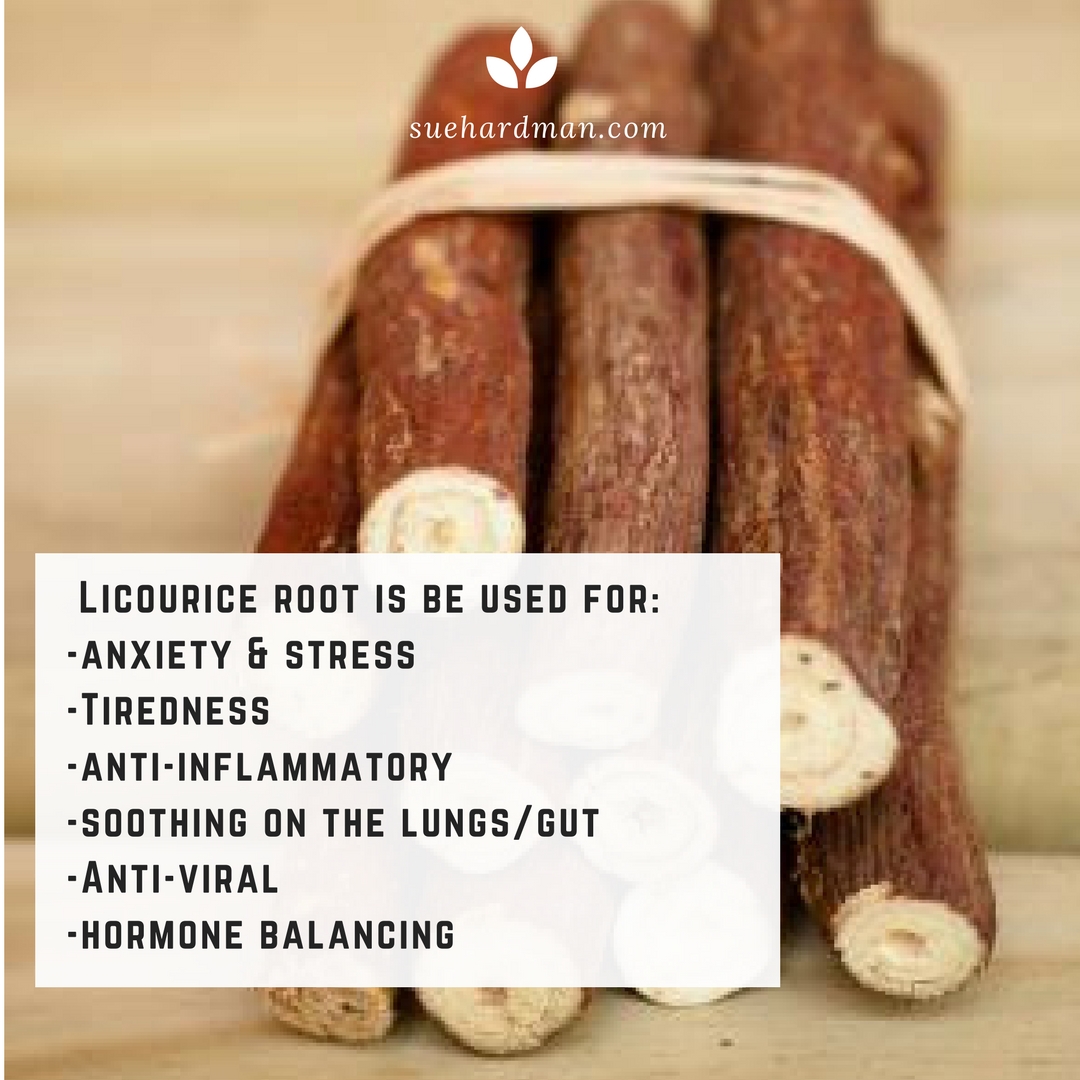
Liquorice for adrenalsThese are more personal and depend on your health history medication and preference. Use Adaptogenic herbs like liquorice or Ashwagandha.

Final Word

Stress and the effect it has on your adrenal issues, is the root of many hormone imbalance. There are many ways to support your adrenal health — from targeted supplements to key lifestyle changes.

If you suspect that you have adrenal issues, consider working with professional.

As you head in a healthier direction, you’ll feel stronger and more resilient, and your life will change for the better.


Whether you’re wanting to have more energy so that you can keep going all-day long, defy-ageing, have clear glowing skin, to eat better + cleaner you can try any of these free guides to help you on journey to managing these changes, so that you can be a healthier version of yourself.

DISCOVER THE SECRETS TO NOURISH + REJUVENATE your BODY + your LIFESTYLE + your SOUL + yourPURPOSE

The Essential Guide To Having Long-Lasting, All-Day Energy & Vitality

3 Steps To Endless Energy

Shout Yes if you want to….

Look vibrant, feel younger & feel more confident

Get you’re energy levels back up & soaring…

Stop your moods swings

Have clearer thoughts & be mentally alert

Have a strong immune system

Click HERE to get your Guide – “3 Steps To Endless Energy”

Instagram 

Filed Under: blog Tagged With: Balanced diet, Blood sugar, energy, fatigue, hormone balancing, Stress lowering, sugar cravings, weight gain, Womans health

Vitamin C Essential For Younger Looking Skin

January 31, 2018 By admin

If you’re spend a fair amount of money on anti-ageing skin care hoping to prevent sagging skin, fine lines or age spots, it may all be for nought if you’re not getting this essential nutrient.

What accelerates the ageing of your skin?

When your skin is exposed to sunlight, it reduces critical vitamins as well as causing damage to the skin, along with environmental pollutants and smoking. 

Dermatologist, Karen E. Burke, MD, of New York, says “Even minimal UV [ultraviolet] exposure can decrease the vitamin C levels in the skin by up to 30 percent, while exposure from the ozone of city pollution can decrease the level by 55 percent.” (It is important however, to get a limited amount of unprotected time in the sun, which is necessary for the production of vitamin D in your body.)

More About Vitamin C

Signs of this Vitamin C Deficiency might include:

  • Skin deterioration, fine lines and wrinkles
  • Rough, dry, scaly skin
  • Increased infections, frequent illness
  • Anaemia, debility, fatigue,
  • Swelling and bleeding gums and loss of teeth.
  • Depression and other mood imbalances.
  • Joint pain and inflammation
  • Dry, brittle hair and nails
  • Easy bruising and slow wound healing
  • Frequent nosebleeds

Why might you be deficient in this Vitamin?

  • You might be following the RDA guidelines which research has shown to be way, way on the low side.
  • You’re not eating enough of the right foods, your body doesn’t make this vitamin so you have to get it from the food you eat or take a supplement.
  • If you’re a smoke, drink alcohol, consume sugar or deal with a lot of stress on an ongoing basis, you should be especially vigilant about avoiding this vitamin deficiency

It’s estimated that up to 33% of people are deficient in this Vitamin and 20% very deficient.

Evidence for the importance of vitamin C has been around since the 1960’s, when Linus Pauling won the Nobel Peace prize for his research on the benefits of taking Vitamin C.

In more recent studies, Vitamin C has been proven to be an antioxidant that can help to shield the body from free radicals and hence its importance as an anti-ageing vitamin.

Why is Vitamin C Essential for Preventing and Repairing Damaged Skin

Vitamin C is essential in the development of your skin’s collagen, connective tissues and your skin’s cellular glue that gives your skin strength, firmness and elasticity. As you age your body makes less and less which is why you slowly get sagging skin, fine lines, wrinkles and age spots.

Vitamin C helps your body to increase your collagen levels and improve the firmness of your skin.

It’s also a powerful antioxidant, and it ‘fights’ the damaging effects of free radicals in your skin, repairing damage that causes ageing and wrinkles. Studies have shown that Vitamin C helps in repairing damaged skin from injuries, exposure to pollutants, toxins and natural ageing.

Research also suggests that it may lessen the severity of sunburn due UV-B sun exposure and help prevent the consequences of long-term exposure to the sun.

It’s also important for so so much more…..

Vitamin C is important for:
– ensuring a healthy heart.
Epidemiological studies indicate people with the highest blood levels and intakes of vitamin C have as much as a 50% reduced risk of developing or dying from cardiovascular diseases. Men with the lowest blood levels of vitamin C have a 2.4-fold greater risk of having a stroke compared with those having the highest levels of vitamin C. (Lancet. 2001 Mar 3;357(9257):657-63, Int J Vitam Nutr Res. 2011 Jul;81(4):211-7.)
– improving lung function (High intakes of vitamin C are associated with improved lung function and a delay in the deterioration that could lead to chronic obstructive pulmonary disease.)
– a stronger & more robust immune system, you may be deficient if you’re more susceptible to colds and minor ailments.
– improving healing time of wounds
– for helping your up take of and use iron, very essential in female health.
– preventing osteoporosis (Bones require a strong matrix of collagen proteins to maintain structural integrity and proper mineralisation. poor vitamin C linked to bone loss.  vitamin C supplementation prevents post-menopausal bone loss by stimulating new bone formation.)

– Vitamin C helps with the production of Glutathione – the MASTER antioxidant!

Glutathione is the master antioxidant so you want lots of this in your body, it’s a powerful cell-protector, age-defyer and disease-preventer.

Glutathione lives in every, single, cell of your body. It repairs, protects and sends out signals to trigger a healing response wherever there is oxidative damage. Vitamin C helps your body’s produce glutathione.

– Essential in the production of the hormone progesterone, if you have any hormonal issues, infertility, sleep issues, tender breast and imbalances, your progesterone levels may be low.

– when you’re in a stressful situation or have adrenal fatigue your Vitamin C is used up rapidly by the adrenal glands to make stress hormones ( e.g cortisol) and the stores are depleted rapidly. 

Where do you get Vitamin C (and citrus is not the only way!)

So, what is Vitamin C or Ascorbic acid?  It’s a water-soluble vitamin, it can easily dissolve in water and is excreted from your body through urine, it can’t be stored, so you need to top it up every day.

Vitamin C rich foods

Your bodies can’t produce vitamin C so it has to be obtained from the food you. Although citrus is usually associated with Vitamin C – strawberries actually have far more vitamin C than citrus. Blueberries score even higher for vitamin C content but winning outright are acai berries. Be sure to eat lots of these colourful vegetables – peppers, guava, kale, brussel sprouts, broccoli, strawberries, grapefruit, kiwi fruit, spinach, cabbage, watercress and rocket.

Even though you may love fresh leafy vegetables and fruit – you may have trouble getting the levels you need simply from food alone.

Adding a supplement can help you maintain the correct levels.

Supplementing with Vitamin C:
– It’s absorption is improved when taken in conjunction with flavonoids. Either choose a supplement with added flavonoids or eat plenty of highly colored fruit and vegetables.

– the official recommended daily amount (60mg in the US) is well under the minimum amount of vitamin C that is now known to be beneficial. Research shows us that much larger doses of vitamin C are safe and have added health benefits. I recommend a daily vitamin C intake from to 1-2gm’s daily, and higher doses when ill.

– you can’t take too much, because it’s water soluble and your body will eliminate the excess. 

– Take a good quality supplement that is in one of these forms: – calcium ascorbate, sodium ascorbate, ascorbyl palmitate, which are non- acidic.

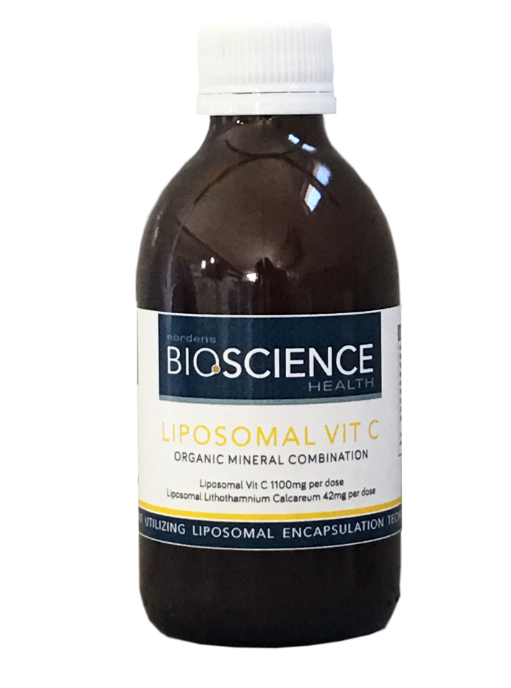
When using a superior delivery format called Liposomal Vitamin C it can be more easily absorbed by your body,

Liposomal Vitamin C encapsulates the C molecules in liposomes made from Essential Phospholipids, which protect the vitamin C from destruction in the digestive system. Within minutes of taking Liposomal Vitamin C, liposomes filled with vitamin C are transported directly into your bloodstream, and into your cells.

This liposome-encapsulated form of vitamin C is the first choice of people who really understand bioavailability and the importance of high-dose vitamin C. Other forms of vitamin C succumb to absorption barriers that vastly limit the level of vitamin C that can enter the bloodstream. Nordens Liposomal Vitamin C crashes through these barriers to get high potency vitamin C where you need it most, your cells.

liposomal vitamin C is encapsulated and easier on the stomach, with none of the harsh acidity that regular high dose vitamin C supplements exhibit.

If you’d like to order you can purchase them directly from me – send me am email sue@suehardman.com

Ultimate Liposomal Vitamin C 380ml – R380.00 ( excludes shipping)

So, if you want optimum health, age well, look younger and feel fantastic and have great looking skin do add a high level vitamin C supplement to your daily anti-ageing regimen.

We may not be able to completely stop the process of ageing – however we can definitely age as gracefully as possible.


I’d Like to invite you to make use of my offer of a FREE mini CONSULT, please click HERE and to book your appointment. please feel free to share if you have friends or family who might need help.

I’d love to chat on the phone/skype if you’re looking for more support managing your fatigue, low energy, hormonal imbalances and skin issues.

I so enjoy talking to women and helping them with their health.

Filed Under: blog Tagged With: age-defying, ageing, anti-ageing, antioxidant, Colds, energy, fatigue, glowing skin, healthy food, heart health, hormone balancing, immune system, Natural Medicine, regenerate, skin care, Womans health

12 Strategies To Improve Sleep Naturally

October 2, 2017 By admin

Sleep Glorious Sleep Nothing Quite Like It

Sleep deprivation – it’s a little like Chinese water torture as far as I’m concerned.

I simply can’t function when I haven’t had enough sleep. So that’s the truth.

What works for me in order to have a good night’s sleep, is to include certain foods, avoid others, exercise, manage my stress levels, avoid screen time at night and follow a few essentials in my night time routine – altogether these ensure (most nights) that I get the refreshing sleep my body craves.

What about you? 

Once we were warriors. Now we’re worriers – anxious and stressed we can’t sleep.

You’re BUSY. This leads to stress and anxious feelings. A small amount of stress can be beneficial in limited quantities, but we’re talking about too much stress, which can have some detrimental effects on your health and well-being.

Stress causes hormones to be released, signalling to the body that you’re in immediate danger. It kick-starts a fight-or-flight response and boosts blood flow to your extremities to get you moving away from the ‘danger’.

Long-term stress causes an overload of stress hormones on your system. This can lower your immunity, lead to anxiety, cause digestive issues, increase your risk of heart disease, and of course contribute to sleep problems.

The body is simply not equipped to deal with prolonged periods of stress, so helping yourself to find the calm may be the missing piece to your health and wellness puzzle.

Even something as simple as taking deep, cleansing breaths from the diaphragm several times a day can help the body to recognize it is no longer in danger.

Research by the British Sleep Council found that 47 per cent of people find it difficult to get to sleep because of stress – and women are bigger worriers than men.

A third of American “undersleep,” according to the Centers for Disease Control (CDC) report. That probably means millions are walking around (and driving) tired, it’s a wonder we are not all asleep at our desks.

Why is this a problem?

According to the 2014 CDC report:
Sleeping less than 7 hours per night is associated with increased risk for obesity, diabetes, high blood pressure, coronary heart disease, stroke, frequent mental distress, and all-cause mortality…Insufficient sleep impairs cognitive performance, which can increase the likelihood of motor vehicle and other transportation accidents, industrial accidents, medical errors, and loss of work productivity that could affect the wider community.

Stress. Overwhelm. Feeling frazzled. Do any of these words describe how you feel?

Sleep Better – Live Better

Adequate sleep depends on certain lifestyle choices, as well as having the correct levels of these hormones – cortisol, melatonin, oestrogen, progesterone, thyroid, and insulin.

The importance of a good nights sleep

Getting enough sleep is as important for your body as eating right, exercising, and practicing good dental hygiene.

If you are having trouble sleeping, you aren’t alone – about one-third of adults experience insomnia occasionally. If you suffer with any sort of sleep deprivation or broken sleep it can have quite serious effects on your health for example:

  • It’s the body’s time to recuperate – lack of sleep prematurely ages you, as your body produces less growth hormone that helps you look and feel younger.
  • It can really weaken your immune system
  • With poor sleep you’re body produces less melatonin which has cancer fighting abilities, research has shown in laboratory animals with severe sleep problems tumours grow much faster
  • It affects your metabolism making you feel hungry even if you’ve already eaten, which leads to weight gain.  higher production of ghrelin (the “hunger hormone”), and too little leptin (the hormone that suppresses appetite, making you feel full), and you’re more likely to make poorer food choices, and eat more calories.
  • Seriously impairs your memory and concentration, sleeping only 4 to 6 hours—can impact your ability to think clearly the next day
  • Impair your performance on physical or mental tasks, and decrease your problem solving ability
  • It is also linked to heart disease, stomach ulcers, constipation, depression

Six to eight hours per night seems to be the optimal amount of sleep for most adults, the most rejuvenating sleep is obtained in the hours before midnight – try going to bed at 10pm


The natural way to better sleep

Sleep Hygiene

In summary here are some very effective tools you can use to help you manage your sleep issues:-

1. Try to go to bed at the same time every night. ‘Create a night-time routine with a few rituals to help your body, mind and nervous system relax.

2. Start with a relaxing Epsom salt bath with a few drops of real-lavender essential oil and spray your pillow with the lavender oil.

3. When you get into bed, try a few drops of Bach Rescue Remedy and take a good magnesium/calcium supplement combination. When you lie down and close your eyes have a calming place you take yourself to – visualise this and relax into this setting.

4. Get plenty of exercise during the day. The more energy you expend during the day, the sleepier you will feel at bedtime

5. Avoid large meals late in the evening.

6. Learn and practice a relaxation technique regularly: Breathing exercises, meditation and yoga are good examples.

7. Don’t obsess about not sleeping.

9. Foods – Tryptophan is an amino acid that helps to produce the hormones serotonin and melatonin, important for regulating sleep.. Foods rich in tryptophan: sesame seeds, fish, oats, turkey, lentils, eggs, bananas, gras-fed before lamb and beans.

10. There are also a number of herbs – Ashwaganda, Hops, Valerian, Passiflora, Verbena and Wild Lettuce – that have been used very successfully for sleep disorders Valerian sleepand to help improve your quality of sleep. Try them individually first and then perhaps in combinations; they’re available in most supermarkets or pharmacies. Try sleep pillows made of equal parts of hops, lavender, and chamomile and bath salts containing relaxing essential oils both help promote sleep.
11. While breaking bad habits are difficult, making lifestyle changes such as not having any caffeine after 1pm and avoiding back-lit technology (ipad, iphone, PC) after 8pm can have long term benefits for your health and your sleep. This blue light inhibits your production of melatonin, the hormone that tells your body and brain to feel sleepy and go to bed.

12. Bringing stillness to your mind – Meditation, stretching, Pilates and yoga all have their benefits in helping our bodies and minds relax, and can help prepare us for a better night’s sleep. Taking time out to relax helps to still the mind.

Most of us are over-stimulated and spend more time in fight or flight response than we should. Balancing the nervous system helps counter the stresses of our lives and environment.

Why see a qualified Herbalist? They can help you identify and address any underlying issues that could be causing your lack of sleep, and they are also able to use a wider spectrum of supplements and herbs (not available over-the-counter) to help you get that very essential sleep you are missing.

Sleep & Your Liver

You’re sleep, liver and detoxification pathways are also connected. What is the connection between sleep and the liver? Waking up at the same time every night between 1am and 3am, is your body’s way of communicating and is known as “liver time” in TCM (Traditional Chinese Medicine).

Each organ has a time of the day/night where it does it’s thing. Your liver is one of the hardest working organs in the body and it works during this time of the night. For the liver to function optimally, remove any congestion and detoxify you’re going to have to ensure it gets the essential nutrients for both phase 1 and phase 2 detoxification paths.

As we become more aware that the subtle hints from our bodies actually mean something, our body’s clues can be very helpful and insightful to us.

Your liver is always working to detoxify the body, if you’re eating food with the essential nutrients you can optimise your liver function.

There are many ways you can support the liver and your sleep habits. Detoxing occurs naturally, every night when you sleep.

The 14 Day Easy Detox program incorporates some of these tips so that your liver can detoxify while giving your body the support it needs for a good night’s rest:

  • Drinking lemon water in the morning
  • Reducing toxins that overload your system
  • Choose foods from the brassica family (broccoli, cauliflower, brussels sprouts) for their liver supporting properties
  • Eat enough protein to support detoxification
  • Avoid stimulants such as caffeine, sugar and alcohol.
  • Make time for you, and what you enjoy doing.

Getting enough sleep is the single best thing you can do to stay younger!

Like anything we usually know what we ‘should’ do however it’s often harder to put these changes or new habits into practice without some kind of support. 

If you’re looking for a gentle and effective way, that you can start to reset your health, make better food choices, improve your sleep, ditch your sugar addiction, eat clean and create a life where you’re flourishing.

I’d like to invite you to join us on the 14 day Easy Detox program all the details...HERE 

You’ll get 30+ recipes, shopping lists and so much more. There will be daily support all to help you get the most out of this program.

I want to support you so that you feel less bloated and tired. Lose weight, focus on removing refined sugar and junk food.

So if you want to do your body good – boost your immune system, look after your digestion, support your metabolism, lose weight then this EASY DETOX is the place to start.

And once you’re healthy on the inside then, your ‘outside’ starts to shift too 🙂

You can join us and get access to my 14 Day Love Your Body EASY DETOX Program PLUS I have an early bird special offer, meaning you save 60% from the usual price and get the tools you need to change your health for a lifetime.

Early bird offer ends on 6TH OCTOBER, and SAVE 60%.
 
So are you ready to FLOURISH? We start 16th October 2017.
 
Click here to find out more!

You can join us and get access to my 14 Day Love Your Body EASY DETOX Program PLUS I have an early bird special offer, meaning you save 60% from the usual price and get the tools you need to change your health for a lifetime.

Early bird offer ends on 6TH OCTOBER.
 
So are you ready to FLOURISH? We start 16th October.


Lack of sleep can ruin a lot of things, in addition to the long term effect it can have on your health.

If you’re tired of feeling groggy, exhausted and not having enough energy to do those things you love, then please make use of may FREE call to chat about your options – please get in touch at sue@suehardman.com


 If you’d like more Vitality, Energy and Get Up and Go then this is a good place to start.  This FREE EBOOK will get you started with 10 Ways to Live A MORE Dynamic Life – Click HERE and to get your copy now!

Filed Under: blog Tagged With: anti-ageing, anti-inflammatory, belly fat, energy, fatigue, hormone balancing, insomnia, peri-menopause, regenerate, sleep, Stress lowering, weight gain, Womans health

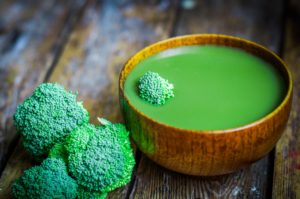
Broccoli and Potatoe Soup

May 8, 2017 By admin

Broccoli Soup


1 tablespoon of olive oil

1 onion, finely chopped

2 garlic cloves, crushed

4 cups salt-reduced vegetable stock

400g/14oz potatoes, peeled, coarsely chopped

450g/1lb broccoli, cut into florets

2-3 handfuls of baby spinach leaves

1/2 cup fresh basil leaves

1/3 cup light sour cream (optional)

1 tablespoon store bought basil pesto / homemade


METHOD

Heat a large saucepan over medium heat with the olive oil.

Add the onion and cook for 5 minutes until soft. Add the garlic and cook until lightly browned.

Add stock and potato to the saucepan. Bring to boil. Cover. Reduce heat to low. Simmer for 15 minutes. Add broccoli and simmer for 6-7 minutes or until all vegetables are tender.

Remove from heat, add spinach and stir until wilted. Leave to cool slightly so you can blend. This might take up to 15 minutes.

In a blender add basil leaves and half of the soup mixture and blend until smooth. Pour into a clean saucepan and repeat until all the soup mixture has been blended into a smooth consistency.

Heat soup over medium heat for 2 minutes or until just before boiling point.

Combine sour cream and pesto in a bowl. Divide soup among bowls. Top with pesto cream and serve.  For vegan option, simply top with a half teaspoon of the basil pesto and omit the sour cream.

Filed Under: blog Tagged With: anti-ageing, anti-inflammatory, antioxidant, Balanced diet, energy, Herbs, hormone balancing, recipe, regenerate, Womans health

  • « Go to Previous Page
  • Page 1
  • Page 2
  • Page 3
  • Go to Next Page »

Footer

Recent Posts

  • Non-stick pans are they making you ill?
  • Stress is Not Good For Your Immune System
  • Hummus so much more than a dip

Copyright © 2026 · Genesis Sample on Genesis Framework · WordPress · Log in