• Skip to main content
  • Skip to footer

Sue Hardman

Nourish + Rejuvenate

  • Start here
  • About Sue
    • Praise
    • Naturopathy & Herbal Medicine
  • Work With Me
    • Free Women’s Holistic Health Audit
    • 90-min Clarity Consultation
    • Total Transformation
  • Free Resources
    • Ditch the bloat in 3 days
    • End Your Sugar Cravings
  • Blog

Balanced diet

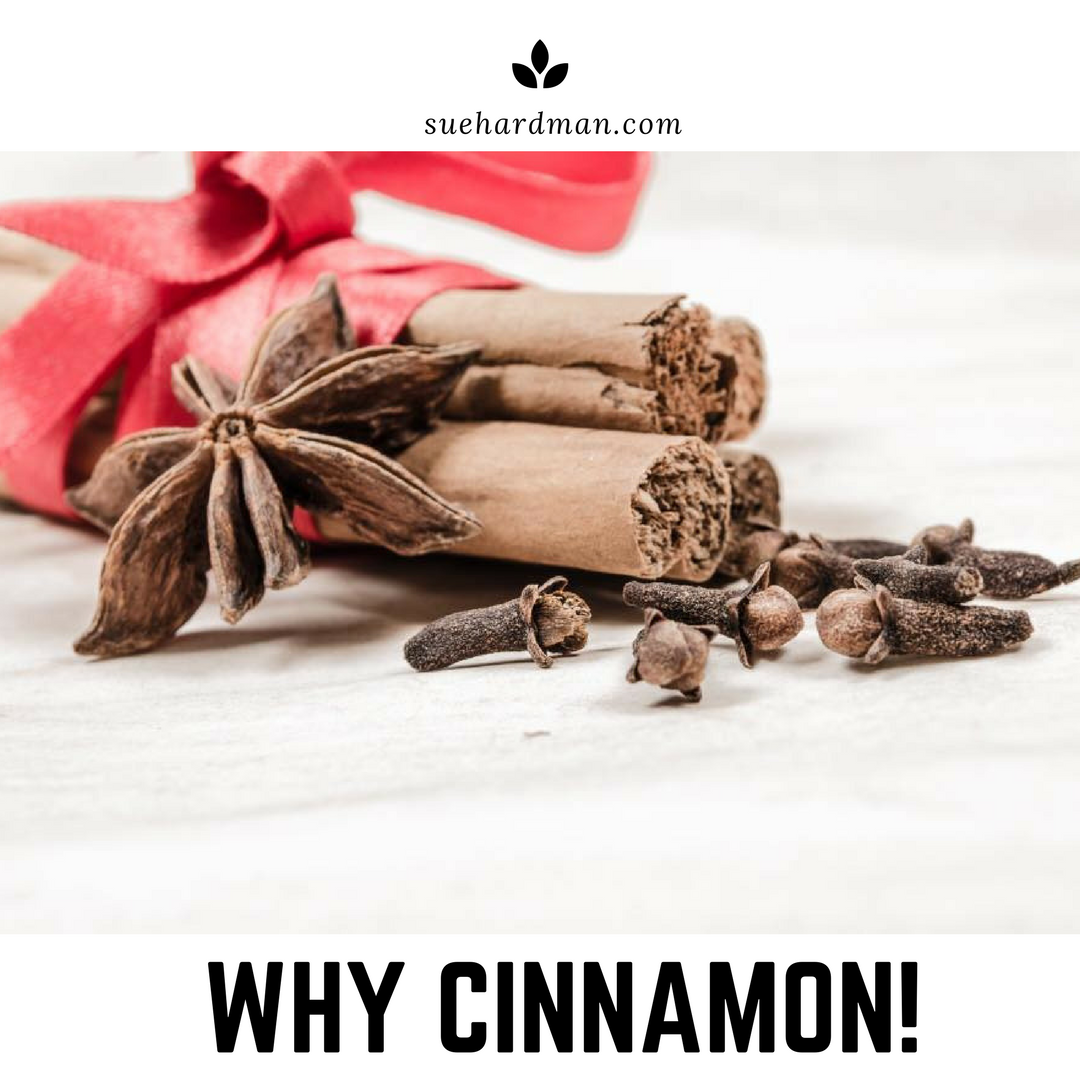
Cinnamon Spice – Superfood, Antioxidant & Sugar Cravings

November 8, 2017 By admin

Cinnamon is an antioxidant


Cinnamon has been used in Chinese medicine and Ayurveda and has long been revered it for its near superpowers, using it to treat things such as colds, indigestion and cramps, not to mention for its anti-clotting properties as well as attributes for the brain function and memory. These societies also believed it could improve energy, vitality and circulation. It’s no wonder Cinnamon is considered a superfood!??

Just some of Cinnamon’s benefits:

☘️ Among Cinnamons most impressive health benefits is impact on blood sugar and ability to improve glucose control. this herb can normalise blood sugar levels, helping to reduce cravings for sugar. By controlling blood sugar levels you can prevent spikes after meals.
☘️Ranks #1 with it’s protective antioxidant levels than many so-called antioxidant foods, like-for-like. For example, one teaspoon has as much antioxidant capacity as a full cup of pomegranate juice or a half-cup of blueberries.
☘️Over seven kinds of flavonoid compounds so it is highly effective for inflammation throughout the body.
☘️Studies have shown that it reduces several of the most common risk factors for heart disease, including high cholesterol levels, high triglyceride levels, and high blood pressure.
☘️Contains many antioxidants and it’s anti-inflammatory compounds that reduce the effects of aging on the body and brain – activates neuro-protective proteins that protect brain cells from mutation and undergoing damage.
? A natural anti-microbial, anti-biotic, anti-fungal, and anti-viral agent. The immune-boosting abilities are found in the essential oil.
 ☘️ Its naturally sweet taste, adding cinnamon to foods and recipes can help you cut down on the amount of sugar you normally use, thereby lowering the glycemic load of your meal.


Balance your blood sugar and keep your energy consistent all day


Sugar may be one of the reasons you tend to get energy highs and lows throughout the day, and the cause of your roller-coaster with energy – can’t get up in the morning and / or you get that terrible afternoon slump! So it’s essential to keep your glucose levels consistent throughout the day. How do you do that? The most important thing to do is to include the right foods at the right time (that’s a whole story on it’s own and for healthy eating guidelines for woman – READ more HERE

When adding cinnamon to your diet, daily, you can also make a big difference to controlling sugar cravings and the glucose spikes. Of course if you want to know why sugar makes you look older than you are – read more HERE What do you need to do to reap the benefit? manage blood sugar with cinnamon

By just having a ¼ or ½ teaspoon of cinnamon you can start lowering and regulating your blood sugar levels. Just remember that unless you’re adding it to a balanced healthy diet – high in vegetables and extremely low in fructose and grains – you’ll likely not experience any benefit.

Sprinkle cinnamon onto your whole grain oatmeal, cereals, yogurt, soups and sauces – even your smoothie! Simmer your favorite tea, coffee or beverage with cinnamon sticks or sprinkle with cinnamon powder, creating the perfect breakfast drink or bedtime nightcap.

To find out more about how you can have optimum wellness as you enter your 40’s and feel radiant have vitality, and energy to do all that you want to have radiant skin, calm any digestive issues, cope better with stress, anxiety and have much higher long-lasting energy levels.


You can make use of my Complimentary 15 minute phone call to get your questions answered Schedule Appointment



Filed Under: blog Tagged With: acne, anti-ageing, anti-inflammatory, antioxidant, Balanced diet, belly fat, Blood sugar, Cinnamon, fine lines, Herbs, sugar cravings, weight gain, wrinkles

Oestrogen Dominance – 9 ways to reduce it

October 31, 2017 By admin

oestrogen dominance Are Your Oestrogen Levels In The Right Balance? 

Hormones are the chemical messengers that control major body functions. Any imbalance can wreak havoc on your health. Some of the most important hormones for us to understand and keep in a healthy balance are our sex hormones.

Each hormone needs to be in the right balance for you. In 30’s your hormones will have different levels to when you’re 50.

As you enter perimenopause (usually after 40) through to the age of 50, there is an approximate 35% drop in oestrogen, and approx. 75% reduction in progesterone occurring simultaneously. This is considered normal, however because oestrogen and progesterone are so dependent on each other, the dramatic decrease in progesterone production leaves many women with symptoms of oestrogen dominance, even if oestrogen levels are lower than before.

Oestrogen is a fabulous hormone:
– it gives you hips, breasts, and thighs.
– It builds up the endometrial tissue in your uterus during your cycle ( important when having a baby).
– It protects your brain, heart, and bones

There’s more than one oestrogen, be sure to have the good one!

Oestrogen is not a single hormone but a group of hormones that are present in both men and women. They’re produced by adrenal glands, fat tissue, the ovaries and the testis.

The term “Oestrogen” is an umbrella term for three hormones – estradiol, estriol and estrone.

Estradiol is the most commonly measured type of oestrogen for non-pregnant women. Estradiol varies throughout the menstrual cycle. After menopause, estradiol production typically drops to a very low but constant level.

Estriol levels usually are only measured during pregnancy. And Estrone may be measured in women who have gone through menopause to determine their oestrogen levels.

Excess estradiol can be dangerous. Many diseases, including cancers and fibroids, are associated with too high estradiol levels.

To complicate matters, when oestrogen is broken down into metabolites in the liver, “good” or “bad” metabolites and they can either help or harm your health and wellbeing.

Oestrogen breaks down into 3 different type of metabolites. They are:

  • 2-Hydroxyestrone (or 2-OH for short)
  • 4-Hydroxyestrone (or 16-OH for short)
  • 16-Hydroxyestrone (or 16-OH for short)

2-OH is beneficial. You need to make at least 70% of this.

4-OH is mostly not beneficial. You want to make 10% or less of this.

16-OH is mostly not beneficial. You want to make no more than 20% of this.

Women who metabolise a larger proportion of their oestrogen via the 16-OH pathway may be at a significantly elevated risk of breast cancer compared with women who metabolise proportionally more oestrogen via the 2-OH pathway.

The “good” metabolites are known to have high antioxidant activity, which provides protection for the brain and heart.

The “bad” metabolites have been tied to cancer and weight gain.

It would make sense that you would want to do what you can to increase the good metabolites and decrease the bad metabolites, increasing the 2-OHE:16-OHE ratio. It is believed that by doing so we decrease the risk for a number of oestrogen-responsive cancers.

So what happens if your body is producing too much or too little oestrogen?

When women experience insufficient oestrogen, they can experience symptoms – including trouble sleeping, headaches, decreased labido, irregular periods, mood swings and hot flashes.

You want oestrogen sticking around, but you also want it to stay in check. When it starts running the show and knocks other hormones like progesterone out of whack, oestrogen imbalance occurs.

Whether it’s extra inches (especially) around the middle, ongoing fatigue, skin issues, trouble sleeping, PMS, PCOS, fibroids or fertility issues you may have a hormone imbalance.

Hormones can effect your size and shape and may be the reason you’ve struggled with losing weight and keeping those extra inches off. Too much fat below the belly button, hips and buttocks may indicate you have a hormone imbalance, in particular oestrogen dominance.

As oestrogen levels rise, controlling your weight becomes really difficult, because fat cells also produce oestrogen. So the more fat cells, the more oestrogen is released into your body, and the more your fat cells grow.

The following symptoms are common among those with oestrogen dominance. What begins with mild symptoms in younger years often becomes moderate in the mid to late 30s, and severe by the time a person reaches their mid-40s.

If you are experiencing some of these symptoms, you may be experiencing some level of oestrogen dominance. You’ll be in a far better place if you address your hormone imbalances when they are still mild, it will also mean you’ll have an easier transition to the menopause.

MILD MODERATE SEVERE
Premenstrual breast tenderness Irregular menstruation Uterine fibroid tumors
Premenstrual mood swings Weight gain Endometriosis
Premenstrual fluid retention, weight gain Hair loss Fibrocystic breasts
Premenstrual headaches Depression Polycystic ovary syndrome
Menstrual cramps Fatigue Breast tumors
Thyroid dysfunction Infertility
Adrenal gland fatigue Thickened uterine lining
Headaches, migraines Accelerated ageing
Severe menstrual cramps Miscarriage
Heavy periods with clotting Anxiety and panic attacks
Joint and muscle pain Autoimmune disorders
Decreased libido Impotency
Insomnia and restless sleep Oestrogen related cancer
Dry eyes
Lowered libido
Prostate problems

What can cause oestrogen excess?

Oestrogen is a vital hormone for many functions in your body, but if it’s not in it’s natural form or at the right level for you then it will interfere with your hormonal activity.

According to the work of Dr. John Lee, the balance of your body’s natural hormones are disrupted because we are living in a ‘sea of oestrogens’ as a result of:-

  • Eating non-organic animal foods with high levels of hormones i.e meat, diary, chicken.
  • Increased synthetic oestrogens found in things like plastics (BPA), medications, synthetic hormones (the pill and HRT) and chemicals from beauty products and chemicals in your environment.
  • Pesticides that mimic oestrogen in your body and send messages to the hypothalamus that it needs to keep producing more and more oestrogens.

Dr. John R. Lee coined the term ‘oestrogen dominance’ to describe what occurs when a woman has deficient, normal, or excessive oestrogen but little or no progesterone to balance oestrogen’s effects.

excess weight - a hormone problemEven low oestrogen levels can create oestrogen dominance symptoms if you’re also low in progesterone. In my practice, I’ve found that these factors can create oestrogen imbalance:

  • Being overweight or obese (fat cells produce excess oestrogen)
  • Being overly stressed (adrenal hormones are overly stimulated)
  • Poor diet choices
  • Autoimmune conditions
  • Gut conditions i.e. constipation and dysbiosis
  • Environmental toxins

Chemicals—called xenoestrogens— can set the stage for oestrogen dominance. One study found that mineral water with xenoestrogens leached from plastic packaging material could create oestrogenic activity, and sadly, these chemicals are all over the place in our modern world.

That being said, oestrogen dominance doesn’t occur in a vacuum. often when oestrogen gets out of balance, other hormones like insulin and cortisol can quickly follow. 

9 ways to take charge of your oestrogen levels so that you can have your best life: 

There are some simple changes you can make to your diet and lifestyle that may be just what the Doc ordered.

  1. Get more fibre – Plenty of complex carbohydrates and fibre from beans, lentils, wholegrains, vegetables and fruit. Fibre helps your body eliminate excess oestrogens. That’s why the saying ‘An apple a day keeps the doctor away’, is still so relevant to you today.Eat moderate amounts of protein – legumes, fish, eggs & chicken. Good fats such as nuts, seeds, oily fish and cold pressed vegetable oils. Eating enough fats and protein are key to ensuring the correct hormone levels in our body.
  2. Help your body detoxify daily by supporting your liver. Among its copious nutrients, studies show indole-3-carbinol (I3C)—prevalent in broccoli and other cruciferous vegetables—prevents the development of oestrogen-enhanced breast, endometrial, cervical, and other cancers.Eat ‘a cup a day’ of cruciferous vegetables (broccoli, cauliflower, cabbage, brussels sprouts and kale ) to help your liver produce enzymes and provide sulphur needed for the liver’s detoxification processes and help you liver remove the bad oestrogens and keep the good ones.Milk thistle is also an excellent herb for the liver as it not only supports detoxification but it also repairs liver cells.Liver-healing strategies include eating quality protein, garlic and onions, taking a B vitamin. 
  3. Heal your gut. Once the liver processes oestrogen for elimination, your gut moves it out. Gut issues mean oestrogen probably isn’t making its way out efficiently and instead could be recirculating in your body. As you can see, identifying and treating underlying causes of your digestive issues becomes crucial to balancing hormones.
  4. Do some exercise. Moderate to high intensity exercise helps your body maintain normal levels of oestrogen – according to research. Do a mixture of exercise, including aerobic and try increasing your muscle mass by doing strength building exercise.
  5. Avoid the following as best you can.
    Alcohol – it impairs the optimum functioning of your liver by making it difficult to metabolise and remove excess hormones.
    Pesticides – Wash if You Can or Go Organic. There are a variety of chemicals and pesticides found in your food or drink that exert oestrogen like activity when absorbed into the body. These are found on non-organic fruits and vegetables as well as animal products.
    Plastics – these are also similar in structure to oestrogen and confuse the body’s hormone balance because they mimic the body’s own oestrogen. Use BPA-free plastic, glass or metal containers for water.
  6. Reduce the following.
    Body fat because it stores chemicals, if you carry excess fat around the middle you will tend to have higher oestrogen levels.Chronic stress – any form of stress (nutritional, physical, chemical, mental, environmental) can increase your cortisol levels and disrupt hormonal balance. Cortisol becomes the predominant hormone and starts to reduce other hormones like progesterone and thereby increasing oestrogen levels. If yoga or meditation aren’t your thing, even five minutes of deep breathing or laughing with your best friend can help lower cortisol and reset estrogen levels.
  7. Supplement smartly. A functional practitioner can help you design an oestrogen-balancing supplement protocol.Optimal vitamin D is also crucial, as studies show sufficient vitamin D levels can inhi
    bit breast cancer cell growth. Ask your doctor or health care practitioner for a 25(OH)D test.
  8. Get tested. Lab testing can reveal whether and why you have oestrogen dominance. I like the DUTCH test which stands for “dried urine total complete hormones” and this has more benefits than other testing methods.

    The biggest and brightest names in health are reccomending the DUTCH test….Dr Mercola and Chris Kresser are all loving this test. If you would like to own your hormones, it starts with knowledge and I can help you.

  9. Sleep becomes mandatory to balance your hormones. If you have trouble drifting into eight hours of solid sleep nightly, try a relaxing tea, a warm bath.

The great news is that you CAN shift your hormones back into balance by following these steps, and reduce not only the inches but also the detrimental effect of excess oestrogen.


To find out more about how you can have optimum wellness as you enter your 40’s and feel radiant have vitality, and energy to do all that you want to have radiant skin, calm any digestive issues, cope better with stress, anxiety and have much higher long-lasting energy levels.


Schedule Appointment


5 Foods that will boost Your Energy Levels and Help You Lose Weight Naturally. 

GET YOUR FREE GUIDE HERE

You may  be struggling with low energy or wanting to lose your excess weight, you might have  tried a number of diets and strategies that haven’t worked for you.

I know how frustrating this can be, and how confusing it is to try to make sense of all the conflicting nutritional information out there.

I put this guide together so you can start to learn how and why specific foods, and drinks, can help you have more energy and lose weight naturally. The information I’m sharing is not about the latest fad diet; it’s about adding in nutrient-dense foods that have been proven to both aid in weight loss and improve overall health at the same time.

While some of this may be new to you, with a little bit of practice you will find it is easy to add these ingredients into your diet on a daily basis. In fact, at the end, I’m going to share one simple recipe you can make in under five minutes that incorporates all of these foods. How’s that for healthy eating on the go?

I’m excited to share this information with you, so let’s dig in!

GET YOUR FREE GUIDE HERE


Filed Under: blog Tagged With: anti-ageing, Balanced diet, belly fat, detox, fatigue, fertility, heart health, Herbs, hormone balancing, hormones, infertility, insomnia, Liver, menopause, metabolism, Milk Thistle, Natural Medicine, peri-menopause, Plant medicine, Plant Medicine 101, PMS, toxins, weight gain, Womans health

Gluten Could It Be Affecting Your Health

August 25, 2017 By admin

symptoms of gluten sensitivity Is the Gluten Free Diet Just a Fad?

What is Gluten?

It’s a sticky protein found in rye, barley, and wheat kernels. Gluten (from Latin, “glue”) is a protein and it gives bread its airy and fluffy texture and dough its sticky texture. It’s used as a stabilising agent in many processed foods, such as salad dressings, soy sauce and mayonnaise. It’s in almost everything from beauty products to packaged foods to medications and supplements.

The prevalence of wheat products, especially processed and refined varieties, have led to a greater percentage of the population developing an intolerance or an allergy to gluten.

We’re no longer eating the wheat that our parents ate. In order to have hardier wheat that can survive drought, insects and grow faster, the wheat has been hybridised.

It’s estimated that 5 percent of the proteins found in hybridised wheat are new proteins that were not found in the original wheat plants. These “new proteins” are part of the problem that has lead to increased systemic inflammation, widespread gluten intolerance and higher rates of celiac.

In our modern world with the convenience of bread and fast food, we’re eating much more wheat than our ancestors ever did.

Why Would You Avoid It?

There are many reasons, for those with celiac disease, an autoimmune disorder it affects the small intestine lining and can lead to severe malnutrition and digestive problems, consuming too much gluten can damage or irritate their bowels. People diagnosed with celiac disease must be very careful to limit or completely remove gluten from their diets.

Gluten intolerance is now 30 times more prevalent than celiac disease and affects 1 in 7 people, who tested negative for celiac disease.

People of European are more likely to have gluten intolerance or celiac disease in their families.

How does gluten affect your gut and cause intestinal permeability or leaky gut?

Regulating your intestinal permeability is one of the basic functions of the cells that line your intestinal wall. In people sensitive to gluten it can cause the gut cells to release zonulin, a protein that can break apart the tight junctions holding your intestines together.

When your meal reaches your gut, an enzyme (tTG) is produced in your intestinal wall that breaks down the gluten into its protein building blocks, gliadin and glutenin.

As these proteins make their way through your gut, the immune system in your gut, reviews them for potentially harmful substances. In people who have no issues with gluten, the proteins are absorbed.

In those with gluten sensitivity, the gut identifies gliadin as a dangerous substance and produces antibodies to attack it. In celiacs, these antibodies don’t just attack the gliadin, they attack the enzyme (tTG)  as well, which is what originally broke down the gluten into its two parts.

Once these tight junctions in the digestive system get broken apart, it becomes a leaky gut. This then allows toxins, microbes, undigested food particles and antibodies to escape from your intestines and travel throughout your body via your bloodstream. The antibodies that escape are the ones that your body produced to attack the gliadin in the first place.

It’s these antibodies that can end up attacking other organs and systems, from the skin to the thyroid to the brain. This is why gluten intolerance is now being linked to autoimmune conditions and why those with celiac disease are at risk of developing a second autoimmune disease.

Symptoms of gluten intolerance include:-

  • Low immunity – Consistently runny nose and sneezing
  • Skin – eczema, acne, psoriasis, hives
  • Digestive disorders – IBS symptoms diarrhoea, abdominal bloating, sluggish bowel movements
  • Headaches
  • Difficulty losing weight or unexplained weightloss
  • Joint pain
  • Extreme fatigue
  • Hormonal imbalance – irregular menstrual cycles, weight gain or loss, hot flashes, low energy levels, erratic sleep
  • Anxiety, low mood and depression
  • ADHD
  • Brain fog
  • Autoimmune disease – Rheumatoid Arthritis, Vitiligo, Type 1 diabetes, Crohn’s dx, Multiple Sclerosis

If you’re already experiencing these types of symptoms, first consult a health professional rather than diagnosing yourself.
The bottom line is that gluten sensitivity can affect processes in the body beyond the digestive tract, wrecking havoc on your skin (our largest organ!), joints, bones, mouth, endocrine system and more.

Your myriad of symptoms that don’t make sense to the doctor may mean that they’ve no clue that you’re reporting back to them the signs of gluten sensitivity.

There are long standing beliefs that consuming gluten can also aggravate some existing autoimmune system diseases that you may already be experiencing. This includes multiple sclerosis, eczema, Crohn’s disease, and a lot more.

It doesn’t necessarily mean that consuming gluten is the root cause of the disease: rather, it exacerbates these existing conditions, contributing to flare-ups.

There is also evidence that consuming gluten can add to overall body inflammation that leads to other side effects, such as joint pain, depression, and fatigue.

Thyroid – Hashimoto’s & Graves Disease

There’s just no question that many people that have Hashimoto’s and hypothyroidism have gluten sensitivity. For some patients, it’s life-changing when they go gluten-free.”  Dr. Datis Kharraziac.

The health of someone with non-celiac gluten sensitivity can improve significantly when it is eliminated; for example a woman who struggled in vain for nearly a decade to lose weight, lost 40 pounds easily when she cut gluten from her diet. This of course does not mean that if you give up gluten you’ll automatically lose weight.

So, What Does it Really Mean to be Gluten Free?

Being gluten free means eliminating gluten foods or products from your diet. Following any type of diet is challenging but adhering to this diet can be even more difficult. But with patience, time, and some creativity, you can find ways to effectively substitute gluten free products and still enjoy the taste of your food.

Being Gluten Free Is Not Just About Giving Up Pasta and Bread

Experts also recommend paying close attention to your fiber intake; a diet loaded with vegetables, fruits, quinoa, and many other non-gluten grains should do the trick. Individuals are also advised to take multivitamins to ensure that they are getting sufficient vitamin D.

These days, more and more food manufacturers are providing gluten-free alternatives of their products, from bagels up to pasta. However, the prevalence has led to a lot of misconceptions. The term “gluten free” is widely linked with being healthy, but often in the sense of a dieting fad. Not everyone stops to think about what gluten free really means and why individuals should or should not eat certain foods.

Many foods are naturally gluten-free, such as nuts, vegetables, fruits, fresh meats, and some dairy products. To be gluten free means avoiding bread, desserts, pasta, cereal, beer, and many other foods on an extensive list.

Can Anyone Really Go Gluten-Free? 

There is really no serious danger in eliminating gluten. However, if you are eliminating a particular ingredient, take some precaution and be careful in replacing this ingredient. Experts recommend sticking to foods that are naturally gluten-free like vegetables, fruits, lean proteins, and dairy. However, double check labels for sugar and sodium content.

Do You Need to Give Up Eating Cereal, Bread, and Pasta?

Definitely not! Fortunately, there is a wide range of products available these days that are good and delicious substitutes for gluten-based products. Although these products were once only found in specialty health food stores, most of these products have now gone mainstreams and can be found in most grocery stores. Although these products may differ in texture, taste, and consistency, you will no doubt be able to find some that suit your taste buds.

Gluten shows up in unexpected places, like in foods containing soy sauce, which often contains hidden traces of wheat. Gluten is also found in potato chips, hot dogs, candy bars, lunch meats, prepared eggs, and salad dressings. Since the lists of ingredients do not usually include the term “gluten,” it can be tricky to spot unless package specifically indicates that it is gluten free.

You want to avoid things that say, “malt flavor” or “malt extract.” Experts have also found gluten in rye, barley, wheat, and brewer’s yeast. Even if these foods are labeled with “gluten free,” they might contain gluten due to cross contamination.

Avoid self-diagnosis; if you believe that gluten is the cause of your health issues. If you’re following the advice of a doctor for any type of gluten-sensitive disorder, then you should also consult a health care practitioner to help you plan your meals.

 The Challenge

Eating out is very tricky because you generally don’t have any idea about the ingredients of your dish. But, it is easy—and becoming more common—to ask your server to find out if any barley, wheat, or rye has been used in your requested dish. Another challenge is learning more about food additives that contain gluten or wheat such as couscous, food starch, brewer’s yeast, and spelt bran.

The good news is, many of today’s eating establishments and food stores provided excellent offerings and food labels in response to the growing number of people who have decided to go wheat-free or gluten-free for a happier, healthier lifestyle.

Testing for Gluten Intolerance

The of the best way to determine your sensitivity to gluten, is to use avoidance and provocative testing i.e. the elimination diet. You eliminate all gluten sources in your diet for 30 days and then try adding it back to see if symptoms re-occur.

Food intolerances differ from full-blown food allergies so antibodies may not show up in blood tests.

Keep a log of all the food you eat and the symptoms you might experience for a few weeks. After eliminating gluten, the suspected food is eaten to see if symptoms re-develop. In some cases, people are able to gradually build up their tolerance to foods that previously bothered them.

Final Thought

Bottom line the wheat plant has changed due to the demand on production and we’re also consuming far more gluten than our bodies were ever meant to. It’s about knowing your body, what works for it and what doesn’t.


You may have been struggling with low energy or wanting to lose your excess weight, you might have  tried a number of diets and strategies that haven’t worked for you.

I know how frustrating this can be, and how confusing it is to try to make sense of all the conflicting nutritional information out there.


To get your FREE copy of the e-book:

Click HERE 5 Foods that will boost Your Energy Levels and Help You Lose Weight Naturally.

Filed Under: blog Tagged With: anti-inflammatory, autoimmune, Balanced diet, belly fat, detox, digestive disorders, fatigue, gluten, gluten intolerance, gluten sensitivity, IBS, leaky gut, metabolism, thyroid, weight gain, Womans health

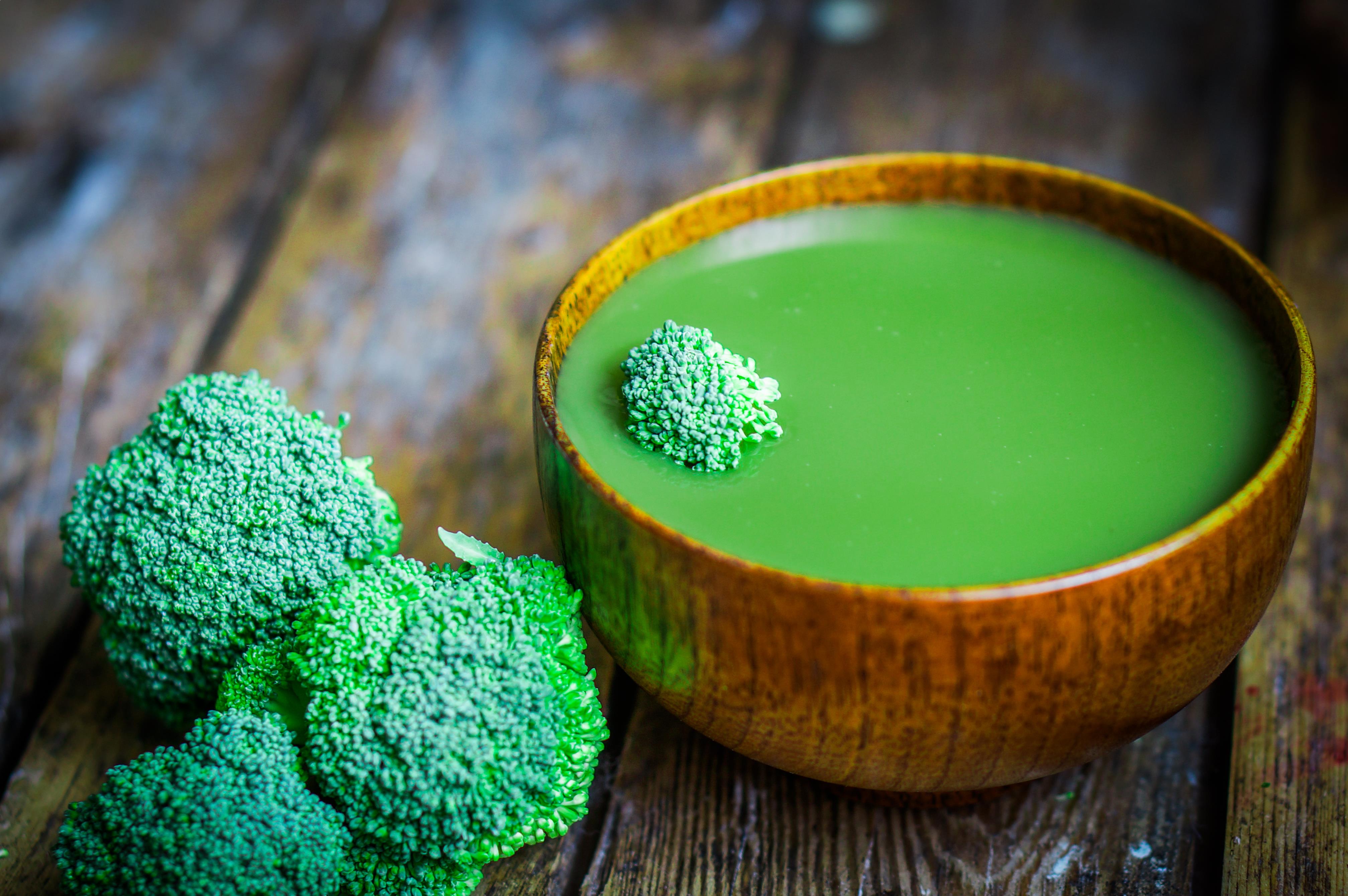
Broccoli and Potatoe Soup

May 8, 2017 By admin

Broccoli Soup


1 tablespoon of olive oil

1 onion, finely chopped

2 garlic cloves, crushed

4 cups salt-reduced vegetable stock

400g/14oz potatoes, peeled, coarsely chopped

450g/1lb broccoli, cut into florets

2-3 handfuls of baby spinach leaves

1/2 cup fresh basil leaves

1/3 cup light sour cream (optional)

1 tablespoon store bought basil pesto / homemade


METHOD

Heat a large saucepan over medium heat with the olive oil.

Add the onion and cook for 5 minutes until soft. Add the garlic and cook until lightly browned.

Add stock and potato to the saucepan. Bring to boil. Cover. Reduce heat to low. Simmer for 15 minutes. Add broccoli and simmer for 6-7 minutes or until all vegetables are tender.

Remove from heat, add spinach and stir until wilted. Leave to cool slightly so you can blend. This might take up to 15 minutes.

In a blender add basil leaves and half of the soup mixture and blend until smooth. Pour into a clean saucepan and repeat until all the soup mixture has been blended into a smooth consistency.

Heat soup over medium heat for 2 minutes or until just before boiling point.

Combine sour cream and pesto in a bowl. Divide soup among bowls. Top with pesto cream and serve.  For vegan option, simply top with a half teaspoon of the basil pesto and omit the sour cream.

Filed Under: blog Tagged With: anti-ageing, anti-inflammatory, antioxidant, Balanced diet, energy, Herbs, hormone balancing, recipe, regenerate, Womans health

Brain Health – Use These Steps To Regenerate It

April 23, 2017 By admin

You can regenerate you brain

We were always told once a brain cell dies, it’s gone forever. However, scientists are now proving that brain cells can be regenerated. Just like your muscles the brain needs regular use.

While many diseases and conditions have genetic predispositions to them. The truth is, you do have the power to control these genes by living healthily. All your brain wants is a little attention.

The same basic rules apply for both your brain and body when it comes to health. A well-balanced healthy diet, with a rainbow of colourful food, lots of good oil, exercise for oxygenation, and time out.

Free radicals break down the neurons in your brain causing damage. Colourful fruits and vegetables are packed with antioxidants – the dark purples ofAntioxidants for brain health blueberries, the deep reds of pomegranates, the rich green of kale and collards, the bright orange of sweet potatoes.

A recent study in the Journal of the American Medical Association found that people who ate more dietary antioxidants had 70% less Alzheimer’s and dementia.

Food is a powerful ways to control or neutralise the major causes of all disease in your body – aim to eat 8 – 10 servings (1/2 cup = 1 serving) of fruit and vegetables everyday.

Oil and more oil, everyone of your brain cells is insulated by a layer of fat, and your brain is made up of 60 percent fat cells. So it needs oil for nourishment. Among the best nutrients are omega 3 fatty acids – the kind of fats found in salmon, tuna, mackerel, nuts, sesame seeds, pumpkin seeds and green leafy vegetables.

In fact Omega 3’s have been shown to boost intelligence. Walnuts are considered a super brain food in Ayurvedic medicine and if you look at a walnut shape it looks a lot like the cerebral cortex.

Exercise is one of THE most important anti-aging medicines known. It’s a natural antioxidant, anti-inflammatory and stress buster. It will also help you sleep better, lower your cholesterol, lower your blood sugar and insulin levels. Aim to exercise 4 times a week –whether it’s walking, running, swimming or dancing, your brain will thank you.

Some supplements to consider if you’re under a lot of stress – take a good all round combination that contains vitamins, minerals and antioxidants. B-Vitamins are essential for normal brain function.

Super anti-ageing herbs:

  • Rosemary, sage, rose and mint – research has shown that inhaling these essential oils when learning a new task or studying enhances your recall. Put them in an oil burner when studying or rub into your temples.
  • Gingko bilobo – very commonly used supplement to enhance cognition and memory as it helps to increase blood flow to the brain. A word of caution for those people on blood thinning medication, consult a qualified professional.
  • Gotu kola – traditionally used and renowned for it’s intellectual-promoting, nervous system soothing and general mind enhancing properties. This is one of my favourite herbs Herbs for the brainbecause it has so many benefits, to name a few – anti-ageing & wonderful skin healing benefits.
  • Rhodiola – can greatly improve concentration and memory. In Siberia where they drink Rhodiola tea regularly, many people live well past 100. It also has the ability to reduce stress hormones.

As renowned women’s health expert Dr Christine Northrup says ‘Be a life long learner’, she believes this could be one of the most important factors in maintaining and enhancing your brain function, be actively engaged in some pleasurable activity that involves growth, development and learning. Do crossword puzzles or suduko.

So why wait? Start protecting your brain now because mental decline is not inevitable, you can boost your memory and mental alertness at any age. Research shows clearly that healthy, well-nourished and well-educated people show no signs of declining mental function with age. Feed your brain, both with the right nutrients and the right information.


Get your copy of the FREE e-book:
5 Foods that will help boost Your Energy Levels and Lose Weight Naturally.

 Sign up by clicking: HERE

When you sign up you’ll also receive ‘The Good Health Guide’ newsletter with inspiration, practical, easy to follow tips and articles on healthy eating, recipes, exercise and natural medicines to help you live a healthier life.

These newsletter are all delivered straight to your inbox.

This is what readers of the ‘The Good Health Guide’ newsletter are saying about it:

  • Just to say that I do really like your newsletters and many thanks! I always read them all the way through and there’s not many newsletters I can say that about. Sue Saker – London UK www.thecouplescoach.co.uk,

  • Thanks for this – I love receiving your emails ! So interesting.
    Emma – London UK
     The Decor Cafe.

  • Fabulous, Excellent Sue!!
    Julie Cleverdon – South Africa. Director of The MTN Science Centre mtnsciencentre.org.za

  • I love your updates Sue -find them really informative and useful. Thank you for sharing important information so freely, what a gift to the health of humanity.
    Pippa Dowding, Leadership Coach and Facilitator – Cape Town, South Africa

  • This is a great newsletter Sue! (caroline@carolinecain.com)

  • Great artical, keep them coming. Doug – Frankfurt, Germany

Filed Under: blog Tagged With: anti-ageing, anti-inflammatory, antioxidant, Balanced diet, brain health, good oil, Herbs, Natural Medicine, Plant medicine, regenerate, Womans health

  • « Go to Previous Page
  • Page 1
  • Page 2
  • Page 3

Footer

Recent Posts

  • Non-stick pans are they making you ill?
  • Stress is Not Good For Your Immune System
  • Hummus so much more than a dip

Copyright © 2026 · Genesis Sample on Genesis Framework · WordPress · Log in