• Skip to main content
  • Skip to footer

Sue Hardman

Nourish + Rejuvenate

  • Start here
  • About Sue
    • Praise
    • Naturopathy & Herbal Medicine
  • Work With Me
    • Free Women’s Holistic Health Audit
    • 90-min Clarity Consultation
    • Total Transformation
  • Free Resources
    • Ditch the bloat in 3 days
    • End Your Sugar Cravings
  • Blog

heart health

Vitamin C Essential For Younger Looking Skin

January 31, 2018 By admin

If you’re spend a fair amount of money on anti-ageing skin care hoping to prevent sagging skin, fine lines or age spots, it may all be for nought if you’re not getting this essential nutrient.

What accelerates the ageing of your skin?

When your skin is exposed to sunlight, it reduces critical vitamins as well as causing damage to the skin, along with environmental pollutants and smoking. 

Dermatologist, Karen E. Burke, MD, of New York, says “Even minimal UV [ultraviolet] exposure can decrease the vitamin C levels in the skin by up to 30 percent, while exposure from the ozone of city pollution can decrease the level by 55 percent.” (It is important however, to get a limited amount of unprotected time in the sun, which is necessary for the production of vitamin D in your body.)

More About Vitamin C

Signs of this Vitamin C Deficiency might include:

  • Skin deterioration, fine lines and wrinkles
  • Rough, dry, scaly skin
  • Increased infections, frequent illness
  • Anaemia, debility, fatigue,
  • Swelling and bleeding gums and loss of teeth.
  • Depression and other mood imbalances.
  • Joint pain and inflammation
  • Dry, brittle hair and nails
  • Easy bruising and slow wound healing
  • Frequent nosebleeds

Why might you be deficient in this Vitamin?

  • You might be following the RDA guidelines which research has shown to be way, way on the low side.
  • You’re not eating enough of the right foods, your body doesn’t make this vitamin so you have to get it from the food you eat or take a supplement.
  • If you’re a smoke, drink alcohol, consume sugar or deal with a lot of stress on an ongoing basis, you should be especially vigilant about avoiding this vitamin deficiency

It’s estimated that up to 33% of people are deficient in this Vitamin and 20% very deficient.

Evidence for the importance of vitamin C has been around since the 1960’s, when Linus Pauling won the Nobel Peace prize for his research on the benefits of taking Vitamin C.

In more recent studies, Vitamin C has been proven to be an antioxidant that can help to shield the body from free radicals and hence its importance as an anti-ageing vitamin.

Why is Vitamin C Essential for Preventing and Repairing Damaged Skin

Vitamin C is essential in the development of your skin’s collagen, connective tissues and your skin’s cellular glue that gives your skin strength, firmness and elasticity. As you age your body makes less and less which is why you slowly get sagging skin, fine lines, wrinkles and age spots.

Vitamin C helps your body to increase your collagen levels and improve the firmness of your skin.

It’s also a powerful antioxidant, and it ‘fights’ the damaging effects of free radicals in your skin, repairing damage that causes ageing and wrinkles. Studies have shown that Vitamin C helps in repairing damaged skin from injuries, exposure to pollutants, toxins and natural ageing.

Research also suggests that it may lessen the severity of sunburn due UV-B sun exposure and help prevent the consequences of long-term exposure to the sun.

It’s also important for so so much more…..

Vitamin C is important for:
– ensuring a healthy heart.
Epidemiological studies indicate people with the highest blood levels and intakes of vitamin C have as much as a 50% reduced risk of developing or dying from cardiovascular diseases. Men with the lowest blood levels of vitamin C have a 2.4-fold greater risk of having a stroke compared with those having the highest levels of vitamin C. (Lancet. 2001 Mar 3;357(9257):657-63, Int J Vitam Nutr Res. 2011 Jul;81(4):211-7.)
– improving lung function (High intakes of vitamin C are associated with improved lung function and a delay in the deterioration that could lead to chronic obstructive pulmonary disease.)
– a stronger & more robust immune system, you may be deficient if you’re more susceptible to colds and minor ailments.
– improving healing time of wounds
– for helping your up take of and use iron, very essential in female health.
– preventing osteoporosis (Bones require a strong matrix of collagen proteins to maintain structural integrity and proper mineralisation. poor vitamin C linked to bone loss.  vitamin C supplementation prevents post-menopausal bone loss by stimulating new bone formation.)

– Vitamin C helps with the production of Glutathione – the MASTER antioxidant!

Glutathione is the master antioxidant so you want lots of this in your body, it’s a powerful cell-protector, age-defyer and disease-preventer.

Glutathione lives in every, single, cell of your body. It repairs, protects and sends out signals to trigger a healing response wherever there is oxidative damage. Vitamin C helps your body’s produce glutathione.

– Essential in the production of the hormone progesterone, if you have any hormonal issues, infertility, sleep issues, tender breast and imbalances, your progesterone levels may be low.

– when you’re in a stressful situation or have adrenal fatigue your Vitamin C is used up rapidly by the adrenal glands to make stress hormones ( e.g cortisol) and the stores are depleted rapidly. 

Where do you get Vitamin C (and citrus is not the only way!)

So, what is Vitamin C or Ascorbic acid?  It’s a water-soluble vitamin, it can easily dissolve in water and is excreted from your body through urine, it can’t be stored, so you need to top it up every day.
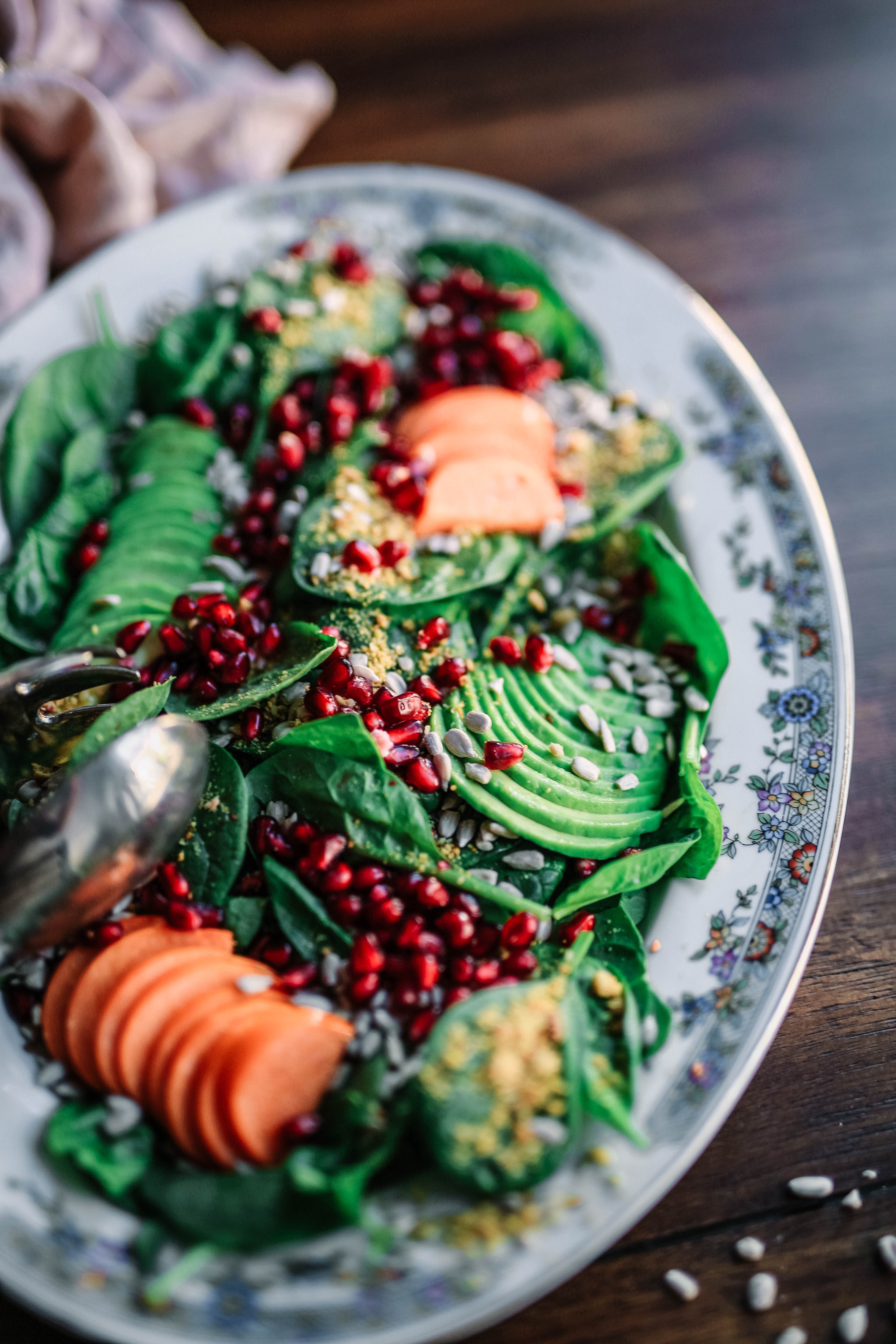
Vitamin C rich foods

Your bodies can’t produce vitamin C so it has to be obtained from the food you. Although citrus is usually associated with Vitamin C – strawberries actually have far more vitamin C than citrus. Blueberries score even higher for vitamin C content but winning outright are acai berries. Be sure to eat lots of these colourful vegetables – peppers, guava, kale, brussel sprouts, broccoli, strawberries, grapefruit, kiwi fruit, spinach, cabbage, watercress and rocket.

Even though you may love fresh leafy vegetables and fruit – you may have trouble getting the levels you need simply from food alone.

Adding a supplement can help you maintain the correct levels.

Supplementing with Vitamin C:
– It’s absorption is improved when taken in conjunction with flavonoids. Either choose a supplement with added flavonoids or eat plenty of highly colored fruit and vegetables.

– the official recommended daily amount (60mg in the US) is well under the minimum amount of vitamin C that is now known to be beneficial. Research shows us that much larger doses of vitamin C are safe and have added health benefits. I recommend a daily vitamin C intake from to 1-2gm’s daily, and higher doses when ill.

– you can’t take too much, because it’s water soluble and your body will eliminate the excess. 

– Take a good quality supplement that is in one of these forms: – calcium ascorbate, sodium ascorbate, ascorbyl palmitate, which are non- acidic.

When using a superior delivery format called Liposomal Vitamin C it can be more easily absorbed by your body,
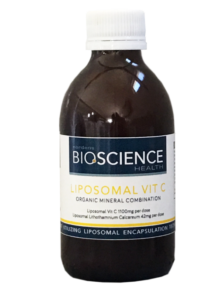
Liposomal Vitamin C encapsulates the C molecules in liposomes made from Essential Phospholipids, which protect the vitamin C from destruction in the digestive system. Within minutes of taking Liposomal Vitamin C, liposomes filled with vitamin C are transported directly into your bloodstream, and into your cells.
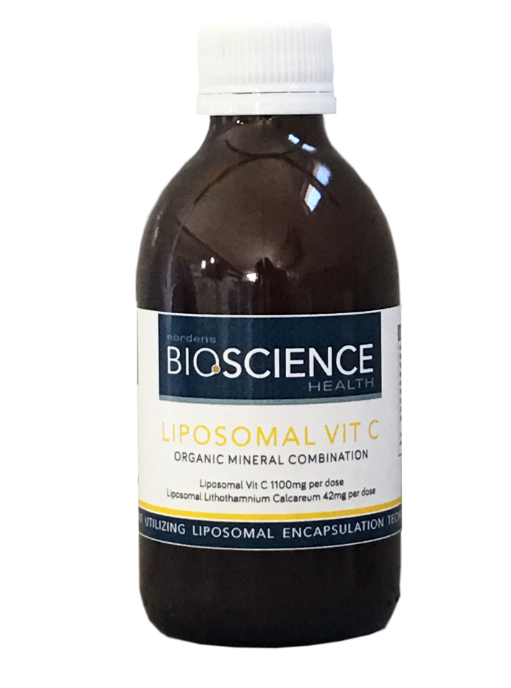
This liposome-encapsulated form of vitamin C is the first choice of people who really understand bioavailability and the importance of high-dose vitamin C. Other forms of vitamin C succumb to absorption barriers that vastly limit the level of vitamin C that can enter the bloodstream. Nordens Liposomal Vitamin C crashes through these barriers to get high potency vitamin C where you need it most, your cells.

liposomal vitamin C is encapsulated and easier on the stomach, with none of the harsh acidity that regular high dose vitamin C supplements exhibit.

If you’d like to order you can purchase them directly from me – send me am email sue@suehardman.com

Ultimate Liposomal Vitamin C 380ml – R380.00 ( excludes shipping)

So, if you want optimum health, age well, look younger and feel fantastic and have great looking skin do add a high level vitamin C supplement to your daily anti-ageing regimen.

We may not be able to completely stop the process of ageing – however we can definitely age as gracefully as possible.


I’d Like to invite you to make use of my offer of a FREE mini CONSULT, please click HERE and to book your appointment. please feel free to share if you have friends or family who might need help.

I’d love to chat on the phone/skype if you’re looking for more support managing your fatigue, low energy, hormonal imbalances and skin issues.

I so enjoy talking to women and helping them with their health.
Filed Under: blog Tagged With: age-defying, ageing, anti-ageing, antioxidant, Colds, energy, fatigue, glowing skin, healthy food, heart health, hormone balancing, immune system, Natural Medicine, regenerate, skin care, Womans health

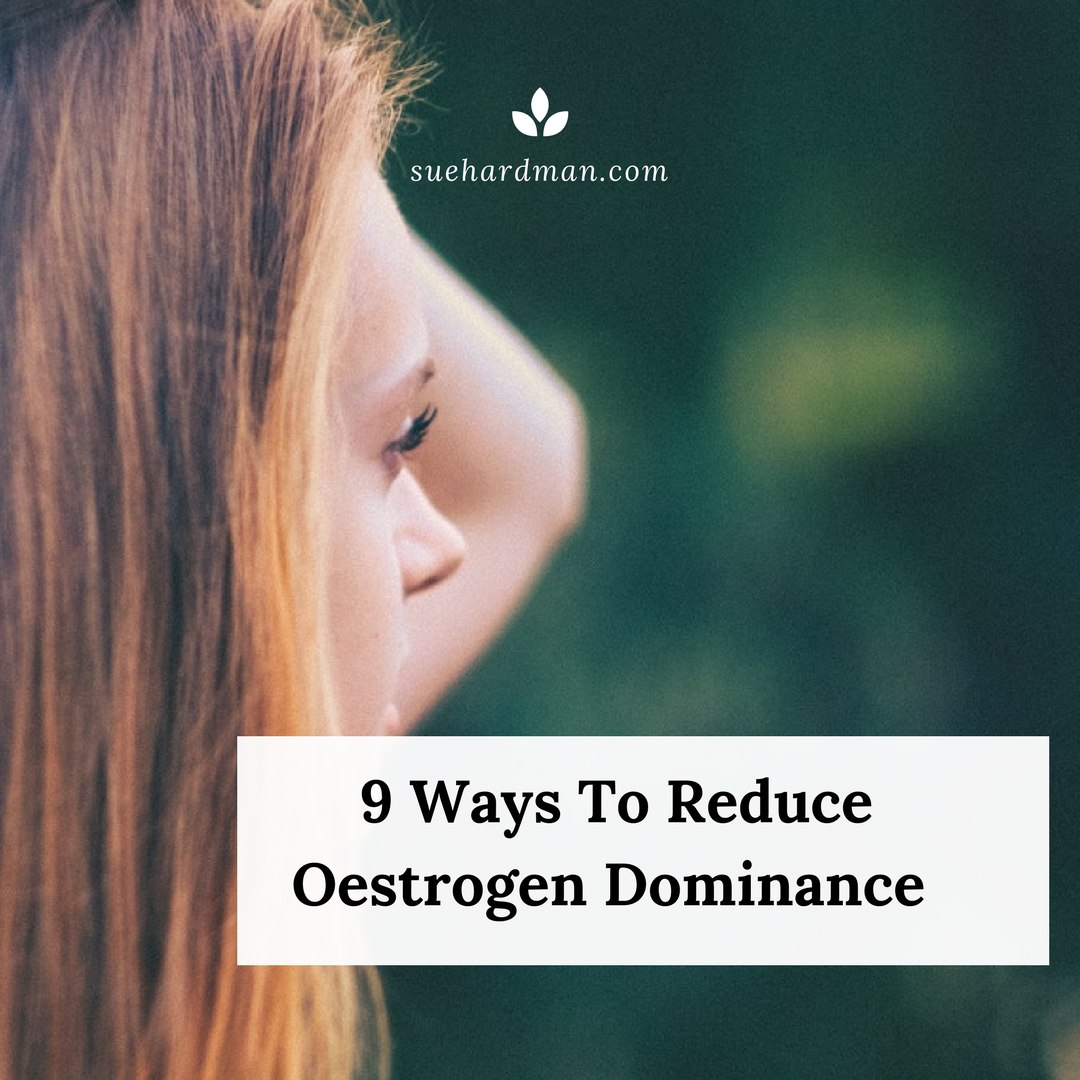
Oestrogen Dominance – 9 ways to reduce it

October 31, 2017 By admin

oestrogen dominance Are Your Oestrogen Levels In The Right Balance? 

Hormones are the chemical messengers that control major body functions. Any imbalance can wreak havoc on your health. Some of the most important hormones for us to understand and keep in a healthy balance are our sex hormones.

Each hormone needs to be in the right balance for you. In 30’s your hormones will have different levels to when you’re 50.

As you enter perimenopause (usually after 40) through to the age of 50, there is an approximate 35% drop in oestrogen, and approx. 75% reduction in progesterone occurring simultaneously. This is considered normal, however because oestrogen and progesterone are so dependent on each other, the dramatic decrease in progesterone production leaves many women with symptoms of oestrogen dominance, even if oestrogen levels are lower than before.

Oestrogen is a fabulous hormone:
– it gives you hips, breasts, and thighs.
– It builds up the endometrial tissue in your uterus during your cycle ( important when having a baby).
– It protects your brain, heart, and bones

There’s more than one oestrogen, be sure to have the good one!

Oestrogen is not a single hormone but a group of hormones that are present in both men and women. They’re produced by adrenal glands, fat tissue, the ovaries and the testis.

The term “Oestrogen” is an umbrella term for three hormones – estradiol, estriol and estrone.

Estradiol is the most commonly measured type of oestrogen for non-pregnant women. Estradiol varies throughout the menstrual cycle. After menopause, estradiol production typically drops to a very low but constant level.

Estriol levels usually are only measured during pregnancy. And Estrone may be measured in women who have gone through menopause to determine their oestrogen levels.

Excess estradiol can be dangerous. Many diseases, including cancers and fibroids, are associated with too high estradiol levels.

To complicate matters, when oestrogen is broken down into metabolites in the liver, “good” or “bad” metabolites and they can either help or harm your health and wellbeing.

Oestrogen breaks down into 3 different type of metabolites. They are:

  • 2-Hydroxyestrone (or 2-OH for short)
  • 4-Hydroxyestrone (or 16-OH for short)
  • 16-Hydroxyestrone (or 16-OH for short)

2-OH is beneficial. You need to make at least 70% of this.

4-OH is mostly not beneficial. You want to make 10% or less of this.

16-OH is mostly not beneficial. You want to make no more than 20% of this.

Women who metabolise a larger proportion of their oestrogen via the 16-OH pathway may be at a significantly elevated risk of breast cancer compared with women who metabolise proportionally more oestrogen via the 2-OH pathway.

The “good” metabolites are known to have high antioxidant activity, which provides protection for the brain and heart.

The “bad” metabolites have been tied to cancer and weight gain.

It would make sense that you would want to do what you can to increase the good metabolites and decrease the bad metabolites, increasing the 2-OHE:16-OHE ratio. It is believed that by doing so we decrease the risk for a number of oestrogen-responsive cancers.

So what happens if your body is producing too much or too little oestrogen?

When women experience insufficient oestrogen, they can experience symptoms – including trouble sleeping, headaches, decreased labido, irregular periods, mood swings and hot flashes.

You want oestrogen sticking around, but you also want it to stay in check. When it starts running the show and knocks other hormones like progesterone out of whack, oestrogen imbalance occurs.

Whether it’s extra inches (especially) around the middle, ongoing fatigue, skin issues, trouble sleeping, PMS, PCOS, fibroids or fertility issues you may have a hormone imbalance.

Hormones can effect your size and shape and may be the reason you’ve struggled with losing weight and keeping those extra inches off. Too much fat below the belly button, hips and buttocks may indicate you have a hormone imbalance, in particular oestrogen dominance.

As oestrogen levels rise, controlling your weight becomes really difficult, because fat cells also produce oestrogen. So the more fat cells, the more oestrogen is released into your body, and the more your fat cells grow.

The following symptoms are common among those with oestrogen dominance. What begins with mild symptoms in younger years often becomes moderate in the mid to late 30s, and severe by the time a person reaches their mid-40s.

If you are experiencing some of these symptoms, you may be experiencing some level of oestrogen dominance. You’ll be in a far better place if you address your hormone imbalances when they are still mild, it will also mean you’ll have an easier transition to the menopause.

MILD MODERATE SEVERE
Premenstrual breast tenderness Irregular menstruation Uterine fibroid tumors
Premenstrual mood swings Weight gain Endometriosis
Premenstrual fluid retention, weight gain Hair loss Fibrocystic breasts
Premenstrual headaches Depression Polycystic ovary syndrome
Menstrual cramps Fatigue Breast tumors
Thyroid dysfunction Infertility
Adrenal gland fatigue Thickened uterine lining
Headaches, migraines Accelerated ageing
Severe menstrual cramps Miscarriage
Heavy periods with clotting Anxiety and panic attacks
Joint and muscle pain Autoimmune disorders
Decreased libido Impotency
Insomnia and restless sleep Oestrogen related cancer
Dry eyes
Lowered libido
Prostate problems

What can cause oestrogen excess?

Oestrogen is a vital hormone for many functions in your body, but if it’s not in it’s natural form or at the right level for you then it will interfere with your hormonal activity.

According to the work of Dr. John Lee, the balance of your body’s natural hormones are disrupted because we are living in a ‘sea of oestrogens’ as a result of:-

  • Eating non-organic animal foods with high levels of hormones i.e meat, diary, chicken.
  • Increased synthetic oestrogens found in things like plastics (BPA), medications, synthetic hormones (the pill and HRT) and chemicals from beauty products and chemicals in your environment.
  • Pesticides that mimic oestrogen in your body and send messages to the hypothalamus that it needs to keep producing more and more oestrogens.

Dr. John R. Lee coined the term ‘oestrogen dominance’ to describe what occurs when a woman has deficient, normal, or excessive oestrogen but little or no progesterone to balance oestrogen’s effects.

excess weight - a hormone problemEven low oestrogen levels can create oestrogen dominance symptoms if you’re also low in progesterone. In my practice, I’ve found that these factors can create oestrogen imbalance:

  • Being overweight or obese (fat cells produce excess oestrogen)
  • Being overly stressed (adrenal hormones are overly stimulated)
  • Poor diet choices
  • Autoimmune conditions
  • Gut conditions i.e. constipation and dysbiosis
  • Environmental toxins

Chemicals—called xenoestrogens— can set the stage for oestrogen dominance. One study found that mineral water with xenoestrogens leached from plastic packaging material could create oestrogenic activity, and sadly, these chemicals are all over the place in our modern world.

That being said, oestrogen dominance doesn’t occur in a vacuum. often when oestrogen gets out of balance, other hormones like insulin and cortisol can quickly follow. 

9 ways to take charge of your oestrogen levels so that you can have your best life: 

There are some simple changes you can make to your diet and lifestyle that may be just what the Doc ordered.

  1. Get more fibre – Plenty of complex carbohydrates and fibre from beans, lentils, wholegrains, vegetables and fruit. Fibre helps your body eliminate excess oestrogens. That’s why the saying ‘An apple a day keeps the doctor away’, is still so relevant to you today.Eat moderate amounts of protein – legumes, fish, eggs & chicken. Good fats such as nuts, seeds, oily fish and cold pressed vegetable oils. Eating enough fats and protein are key to ensuring the correct hormone levels in our body.
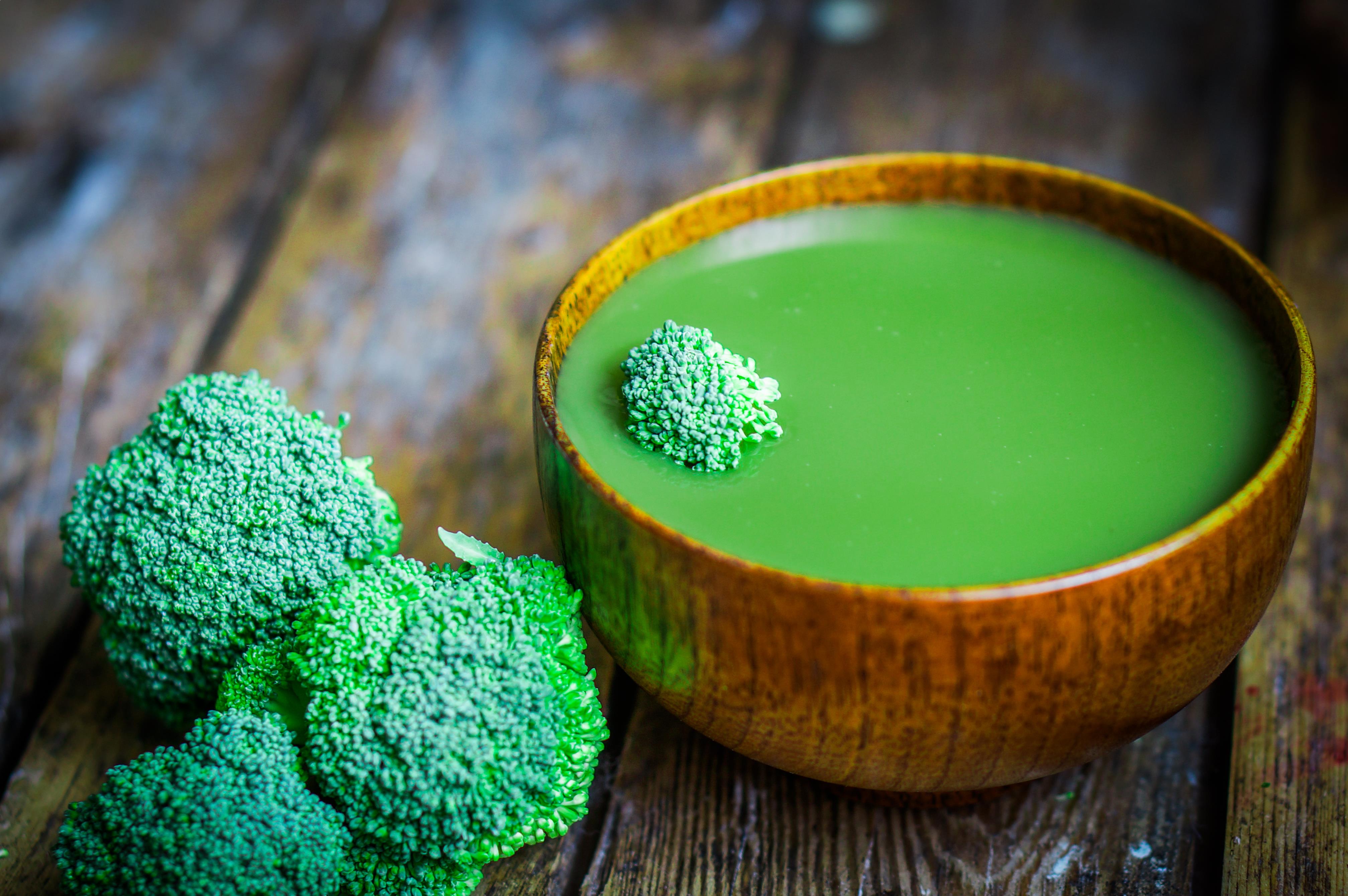
  2. Help your body detoxify daily by supporting your liver. Among its copious nutrients, studies show indole-3-carbinol (I3C)—prevalent in broccoli and other cruciferous vegetables—prevents the development of oestrogen-enhanced breast, endometrial, cervical, and other cancers.Eat ‘a cup a day’ of cruciferous vegetables (broccoli, cauliflower, cabbage, brussels sprouts and kale ) to help your liver produce enzymes and provide sulphur needed for the liver’s detoxification processes and help you liver remove the bad oestrogens and keep the good ones.Milk thistle is also an excellent herb for the liver as it not only supports detoxification but it also repairs liver cells.Liver-healing strategies include eating quality protein, garlic and onions, taking a B vitamin. 
  3. Heal your gut. Once the liver processes oestrogen for elimination, your gut moves it out. Gut issues mean oestrogen probably isn’t making its way out efficiently and instead could be recirculating in your body. As you can see, identifying and treating underlying causes of your digestive issues becomes crucial to balancing hormones.
  4. Do some exercise. Moderate to high intensity exercise helps your body maintain normal levels of oestrogen – according to research. Do a mixture of exercise, including aerobic and try increasing your muscle mass by doing strength building exercise.
  5. Avoid the following as best you can.
    Alcohol – it impairs the optimum functioning of your liver by making it difficult to metabolise and remove excess hormones.
    Pesticides – Wash if You Can or Go Organic. There are a variety of chemicals and pesticides found in your food or drink that exert oestrogen like activity when absorbed into the body. These are found on non-organic fruits and vegetables as well as animal products.
    Plastics – these are also similar in structure to oestrogen and confuse the body’s hormone balance because they mimic the body’s own oestrogen. Use BPA-free plastic, glass or metal containers for water.
  6. Reduce the following.
    Body fat because it stores chemicals, if you carry excess fat around the middle you will tend to have higher oestrogen levels.Chronic stress – any form of stress (nutritional, physical, chemical, mental, environmental) can increase your cortisol levels and disrupt hormonal balance. Cortisol becomes the predominant hormone and starts to reduce other hormones like progesterone and thereby increasing oestrogen levels. If yoga or meditation aren’t your thing, even five minutes of deep breathing or laughing with your best friend can help lower cortisol and reset estrogen levels.
  7. Supplement smartly. A functional practitioner can help you design an oestrogen-balancing supplement protocol.Optimal vitamin D is also crucial, as studies show sufficient vitamin D levels can inhi
    bit breast cancer cell growth. Ask your doctor or health care practitioner for a 25(OH)D test.
  8. Get tested. Lab testing can reveal whether and why you have oestrogen dominance. I like the DUTCH test which stands for “dried urine total complete hormones” and this has more benefits than other testing methods.

    The biggest and brightest names in health are reccomending the DUTCH test….Dr Mercola and Chris Kresser are all loving this test. If you would like to own your hormones, it starts with knowledge and I can help you.

  9. Sleep becomes mandatory to balance your hormones. If you have trouble drifting into eight hours of solid sleep nightly, try a relaxing tea, a warm bath.

The great news is that you CAN shift your hormones back into balance by following these steps, and reduce not only the inches but also the detrimental effect of excess oestrogen.


To find out more about how you can have optimum wellness as you enter your 40’s and feel radiant have vitality, and energy to do all that you want to have radiant skin, calm any digestive issues, cope better with stress, anxiety and have much higher long-lasting energy levels.


Schedule Appointment


5 Foods that will boost Your Energy Levels and Help You Lose Weight Naturally. 

GET YOUR FREE GUIDE HERE

You may  be struggling with low energy or wanting to lose your excess weight, you might have  tried a number of diets and strategies that haven’t worked for you.

I know how frustrating this can be, and how confusing it is to try to make sense of all the conflicting nutritional information out there.

I put this guide together so you can start to learn how and why specific foods, and drinks, can help you have more energy and lose weight naturally. The information I’m sharing is not about the latest fad diet; it’s about adding in nutrient-dense foods that have been proven to both aid in weight loss and improve overall health at the same time.

While some of this may be new to you, with a little bit of practice you will find it is easy to add these ingredients into your diet on a daily basis. In fact, at the end, I’m going to share one simple recipe you can make in under five minutes that incorporates all of these foods. How’s that for healthy eating on the go?

I’m excited to share this information with you, so let’s dig in!

GET YOUR FREE GUIDE HERE


Filed Under: blog Tagged With: anti-ageing, Balanced diet, belly fat, detox, fatigue, fertility, heart health, Herbs, hormone balancing, hormones, infertility, insomnia, Liver, menopause, metabolism, Milk Thistle, Natural Medicine, peri-menopause, Plant medicine, Plant Medicine 101, PMS, toxins, weight gain, Womans health

Wonderful Ginger – so much more than an anti-nausea remedy

August 12, 2017 By admin

gingers healing propertiesGinger a wonder botanical medicine

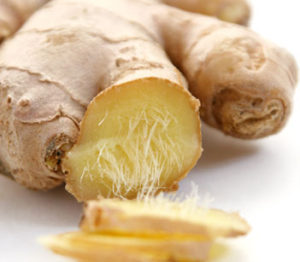
Ginger, has been cultivated and used medicinally since antiquity and is used throughout the world as a medicinal agent, from the traditional medical systems of the west, China, India, Indonesia, Thailand, South Africa and South America.

It’s from the same family as turmeric, which possible explains its amazing benefits. The medicinal benefits come from the pungent gingerols and shogaols, and they account for the majority of ginger’s health benefits acting as a highly potent antioxidant and anti-inflammatory agents.

Gingerol, has been thoroughly evaluated clinically, and the research backs up why you should use this herb on a regular basis.

Top 8 Benefits of Ginger

Ginger is a mainstay of traditional medicine with powerful benefits for just about every system in the body. Research shows it’s effective in several health conditions and that it is a multi-faceted remedy:-

1) The best-researched use of ginger is in combating nausea, cramping and vomiting, by neutralising stomach acids and stimulating the production of digestive juices.It has powerful anti-inflammatory botanical hence it’s effectiveness in relieving digestive irritation. Use it to treat your stomach ache (especially when due to undigested food), poor appetite, dyspepsia, flatulence and nausea.

2) Heart health – It can help to lower high blood pressure and keeping the blood thin in higher doses.

3) Ginger root contains compounds called gingerols which, studies say, help calm down the inflammatory “heat” that triggers swelling and discomfort in joints, muscles and other tissues.

75% of Rheumatoid Arthritis and osteoarthritis patients experienced relief in pain and swelling, and all patients with muscular discomfort experienced relief of pain – in an uncontrolled clinical study using dried ginger.

Being a warming circulatory stimulant ginger increases circulation to the affected joints and enhances the effectiveness of other anti-inflammatory’s in a formula.

ginger2

4) Poor Immune and respiratory health – it’s an anti-viral and makes a warming cold and flu remedy. In addition, this root is a natural decongestant and antihistamine, and is often included in herbal cold and cough preparations.

In Ayurvedic medicine it is used for the immune system because it is so effective at warming the body, it can help break down the accumulation of toxins in your organs. It’s also known to cleanse the lymphatic system preventing toxins from accumulating so that your less susceptible to infections.

5) It has anti-pain properties by lowering the body’s production of prostaglandins (hormones involved in inflammation).

6) Poor digestion and malabsorption – if your body is not digesting or assimilating nutrients correctly you will end up with nutrient deficiencies.  This is why ginger is so important. As we age our digestive ‘fire’ also decreases, try some fresh ginger just before a meal to stoke your digestive fire and support a healthy gut!

7) Fungal infections are increasingly resistant to conventional medicine, of the 29 plant species evaluated in a University study, ginger won the prize for having the extract most effective at killing fungus.

8) Researchers have found that compounds in ginger interrupt the cycle of cancer cell development—in a sense, throwing a spanner into the gears of the tumour machinery. Ginger oils provide compounds that interrupt inflammatory triggers that can cause the development, growth, and spread of tumors.

How To Use Ginger For Maximum Benefit

FullSizeRender-3
In India, ginger is liberally used in daily life. Ginger-infused Chai is a household favourite.

On dining tables in India, you’ll see fresh ginger that’s turned a soft pink from being soaked in lemon juice and salt: a zingy accompaniment to any cooked meal.

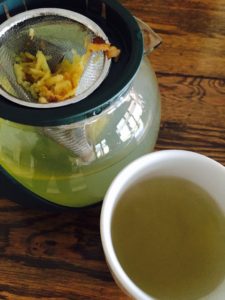
You can grate it up and squeeze it into a hot tea (this is my favourite), add it to juices, baked goods, smoothies and more… experiment and have fun.

For a powerful anti-fungal, mix several drops of pure ginger essential oil with tea tree oil with one teaspoon of coconut oil, and apply up to three times a day.

Herbalists frequently add ginger to herbal formulas, as it’s known to play a role in increasing the bio-availability of other substances and it’s actions – Clears Heat & Toxins.


If you haven’t signed up for my regular updates and newsletter, you can sing up here

or grab a copy of one of my free gifts here.


5 Steps to Great Gut Health & Ditch The Bloat


5 Foods that will boost Your Energy Levels and Help You Lose Weight Naturally.


Live a dynamic life and increase your vitality using these 10 steps


KICKSTART YOUR WEIGHT LOSS WITH GREEN SMOOTHIES

Join the Lean & Green Smoothie Challenge

Free Resources

Filed Under: blog Tagged With: anti-ageing, anti-inflammatory, Anti-viral, antioxidant, ayurveda, Colds, ginger, heart health, Herbal First Aid, Herbs, IBS, immune system, metabolism, Natural Medicine, Plant medicine, Plant Medicine 101

  • « Go to Previous Page
  • Page 1
  • Page 2

Footer

Recent Posts

  • Non-stick pans are they making you ill?
  • Stress is Not Good For Your Immune System
  • Hummus so much more than a dip

Copyright © 2026 · Genesis Sample on Genesis Framework · WordPress · Log in