• Skip to main content
  • Skip to footer

Sue Hardman

Nourish + Rejuvenate

  • Start here
  • About Sue
    • Praise
    • Naturopathy & Herbal Medicine
  • Work With Me
    • Free Women’s Holistic Health Audit
    • 90-min Clarity Consultation
    • Total Transformation
  • Free Resources
    • Ditch the bloat in 3 days
    • End Your Sugar Cravings
  • Blog

Blog

Lymph Moving Low-Impact Exercise

June 4, 2017 By admin

The Best Low-Impact Exercise To Get Your Lymph Moving

What does the Lymph System do for you?


It’s a vast network of vessels, ducts and lymph nodes that interact with every organ and tissue of your body.  It responsible for immune function and it circulates and produces immune cells.

Your lymphatic system is the “garbage Diagram of the lymph systemcollector” of your body removing toxins from your organs and tissues.

Why is movement vital for your lymph and therefore your health?

There is three times more lymph fluid in the body than blood, but there is no organ like the heart to pump lymph around your body. Your lymph relies on deep breathing and exercise to move.

Thoroughly cleansing the lymphatic system is the key to long-term and efficient weight loss and great health.

What is one of the most effective and efficient exercises for you lymph?

rebounder moves lymphRebounding on a mini-trampoline achieves a weightless state. The top of each jump and on landing you achieve twice the force of gravity with each bounce. This shift in gravity benefits all your muscles, cells of the body and provides huge benefits to the lymph system.

NASA have found that a 150-pound person spending one-hour on a rebounder will burn more calories than the same person jogging for an hour! (NASA, Journal of Applied Physiology 49(5): 881-887)

What are the beneifts of Rebounding?

Rebounding will give your energy a boost, get your lymph flowing, tone muscles, and will give you a great, all over workout – right in the comfort of your own home.

Rebounding specifically stimulates the flow of lymph fluid through the lymphatic system. The change in gravitational forces allows for greater blood flow and this increases the amount of waste and toxins flushed from the body. Rebounding can increase lymph flow by up to 15%!

Unlike running, the forgiving surface of a trampoline allow your entire body to share the G-force impact, whereas when running your feet, ankles and legs bear most of the force and fatigue. The pounding effect of running on your legs is mostly ELIMINATED with rebounding.

How To Start
It is really easy to start rebounding on a mini trampoline. No particular specific instructions or courses are required and most rebounder’s come with ample guidance and often supporting exercise videos.

I have personally done countless types of exercise and always will. When I’ve been injured the rebounder has been my savior and gives me the aerobic ‘high’ or boost I crave that only aerobic type exercises can do for me.
 

5foods-loss-weight


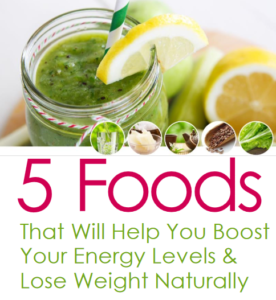
Get your copy of the FREE e-book:
5 Foods that will help boost Your Energy Levels and Lose Weight Naturally.

SIGN UP HERE

and receive more information like this and be the first to know about any programs that you may be interested be sure to sign up to my newsletter, you’ll also receive a free guide to help you on your journey to great health – SIGN UP HERE


If you don’t want to miss any future newsletters or blogs please sign up here  in the sign-up box. 

Filed Under: blog

Adaptogens The Answer To Fatigue, Stress or Anxiety

June 2, 2017 By Managed WordPress Migration User

Adaptogens boost energy levels and help your body cope with stress.

“The higher your energy level, the more efficient your body. The more efficient your body, the better you’ll feel and the more you will use your talent to produce outstanding results.”Tony Robbins

Do any of these sound familiar:-

  • Your life is constantly busy and you’re always racing from one thing to the next?
  • Constantly on the go, juggling – very busy schedule? Panic about time.
  • Energy levels not what they used to be?
  • Too tired to do most things, even exercise that you know you should do?
  • Feeling anxious?
  • Not getting a good nights sleep, waking often?
  • That extra band of fat around the middle, that you’re struggling to lose?

Then this might be of interest to you.

If your stressed and fatigued you might often reach for a coffee or some form of sugar, to give you a quick lift. Usually there’s a crash afterwards and to get that lift again you need more caffeine or sugar.

Your day could turn into a roller-coaster ride of highs and lows. There are other ways to get through the day – and one of my favorites is with “adaptogens,” the special herbs that help your body adapt to stress and resist fatigue.

In China and India the use of tonics to fortify health and promote longevity dates back thousands of year. Research on these tonic herbs called adaptogens began in 1947, which showed that they have remarkable health-protective properties and that they play an important role in helping strengthen resistance to the daily stresses of life.

Herbal adaptogens, like Siberian ginseng help your body to use energy more effectively and people from all walks of life who work hard and play hard have experienced these benefits.

They help strengthen your body’s response to stress and enhance its ability to cope with anxiety and fight fatigue – slowly and gently, without jolts or crashes like caffeine. The effects are initially subtle and although it may take time for the benefits to be felt, they are certainly real.

The use of herbal adaptogens to improve athletic performance became more widely known when it was reported that the 1994 Russian Olympic team had been using Siberian ginseng as part of their training problem (Eluethrococcus senticossus), they went on to win 11 gold medals.

Dr. Nikolai Lazarev defines an adaptogen ‘as an agent that allows the body to counter adverse physical, chemical, or biological stressors and allows the body to “adapt” to the stressful circumstances’ and use oxygen much more efficiently.

Extensive research and experiments done on Russian athletes using ginseng; ‘scientists have reliably demonstrated the value of adaptogens for increasing endurance and shortening recovery time from both training and sports injuries’.

Of course if adaptogens can benefit a well trained athlete, thenimagine how that can help you with your anxiety, ongoing exhaustion and stressful lives.
These are a few adaptogens you can consider using – Ashwaganda, Reishi, several types of Ginsengs, Licourice, Schizandra berries, Rhodiola and many others.

Ashwagandha (withania somnifera) is an ancient plant with an impressive 3000 year safety record. It’s highly prized by ayurvedic practitioners and western herbalists due to its reputation for strengthening your nervous system and increasing a person’s ability to cope with stress.

Ashwagandha is an adaptogen, it’s has calming and relaxing effects on your body and is most famous for its rejuvenating and nourishing qualities. By supporting the proper functioning of the adrenal glands, boosting immunity and improving brain function, it’s been used for many years as a remedy for insomnia, anxiety and stress. It has a reputation for boosting the immune system after long periods of illness or stress.

Scientists who studied the plant’s ability to reduce high levels of the stress hormone cortisol – participants reported reduced fatigue, improved sleep, and most impressive of all, a 26% reduction in cortisol levels. This has implications for many modern stress related conditions such as adrenal dysregulation/fatigue and burnout.

It has a reputation among athletes for helping to increase stamina and performance, those who work long hours. amazing ability to help improve memory and cognitive function, helpful for students during stressful exam periods.

Herbalists use adaptogens to support adrenal function, enabling cells to access more energy and helping them eliminate toxins and improve the body’s natural rhythms. Though they all work in these similar ways, each adaptogen has a distinct personality and unique medicinal qualities.

To find out more about how you can manage your stress, anxiety or energy levels please contact sue@suehardman.com.


If you haven’t signed up for my regular updates and newsletter, you can grab a copy of one of my free gifts here.

5 Steps to Great Gut Health & Ditch The Bloat


KICKSTART YOUR WEIGHT LOSS WITH GREEN SMOOTHIES

Join the Lean & Green Smoothie Challenge

Filed Under: blog Tagged With: adaptogen, anxiety, ashwaganda, burnout, fatigue, ginseng, herbal medicine, Herbs, stress, Stress lowering

Broccoli and Potatoe Soup

May 8, 2017 By admin

Broccoli Soup


1 tablespoon of olive oil

1 onion, finely chopped

2 garlic cloves, crushed

4 cups salt-reduced vegetable stock

400g/14oz potatoes, peeled, coarsely chopped

450g/1lb broccoli, cut into florets

2-3 handfuls of baby spinach leaves

1/2 cup fresh basil leaves

1/3 cup light sour cream (optional)

1 tablespoon store bought basil pesto / homemade


METHOD

Heat a large saucepan over medium heat with the olive oil.

Add the onion and cook for 5 minutes until soft. Add the garlic and cook until lightly browned.

Add stock and potato to the saucepan. Bring to boil. Cover. Reduce heat to low. Simmer for 15 minutes. Add broccoli and simmer for 6-7 minutes or until all vegetables are tender.

Remove from heat, add spinach and stir until wilted. Leave to cool slightly so you can blend. This might take up to 15 minutes.

In a blender add basil leaves and half of the soup mixture and blend until smooth. Pour into a clean saucepan and repeat until all the soup mixture has been blended into a smooth consistency.

Heat soup over medium heat for 2 minutes or until just before boiling point.

Combine sour cream and pesto in a bowl. Divide soup among bowls. Top with pesto cream and serve.  For vegan option, simply top with a half teaspoon of the basil pesto and omit the sour cream.

Filed Under: blog Tagged With: anti-ageing, anti-inflammatory, antioxidant, Balanced diet, energy, Herbs, hormone balancing, recipe, regenerate, Womans health

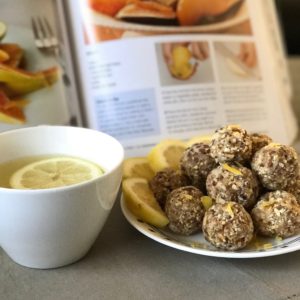
No Bake Lemon Cashew Energy Bites

May 8, 2017 By admin

No Bake Lemony Cashew Energy Bites

No Bake Lemon Cashew Energy Bites


Ingredients:

1 cup cashews

1 cup dates

1/2 cup unsweetened coconut flakes

1 tablespoon freshly squeezed lemon juice

1 tablespoon lemon zest


Instructions:

  1. Combine all ingredients in a food processor, pulse until finely ground, transfer to a bowl, scraping the sides.
  2. Form into an inch ball. Keep them in an airtight container and refrigerate.

Filed Under: blog Tagged With: anti-inflammatory, Blood sugar, energy, recipe, sugar cravings, Womans health

Brain Health – Use These Steps To Regenerate It

April 23, 2017 By admin

You can regenerate you brain

We were always told once a brain cell dies, it’s gone forever. However, scientists are now proving that brain cells can be regenerated. Just like your muscles the brain needs regular use.

While many diseases and conditions have genetic predispositions to them. The truth is, you do have the power to control these genes by living healthily. All your brain wants is a little attention.

The same basic rules apply for both your brain and body when it comes to health. A well-balanced healthy diet, with a rainbow of colourful food, lots of good oil, exercise for oxygenation, and time out.

Free radicals break down the neurons in your brain causing damage. Colourful fruits and vegetables are packed with antioxidants – the dark purples ofAntioxidants for brain health blueberries, the deep reds of pomegranates, the rich green of kale and collards, the bright orange of sweet potatoes.

A recent study in the Journal of the American Medical Association found that people who ate more dietary antioxidants had 70% less Alzheimer’s and dementia.

Food is a powerful ways to control or neutralise the major causes of all disease in your body – aim to eat 8 – 10 servings (1/2 cup = 1 serving) of fruit and vegetables everyday.

Oil and more oil, everyone of your brain cells is insulated by a layer of fat, and your brain is made up of 60 percent fat cells. So it needs oil for nourishment. Among the best nutrients are omega 3 fatty acids – the kind of fats found in salmon, tuna, mackerel, nuts, sesame seeds, pumpkin seeds and green leafy vegetables.

In fact Omega 3’s have been shown to boost intelligence. Walnuts are considered a super brain food in Ayurvedic medicine and if you look at a walnut shape it looks a lot like the cerebral cortex.

Exercise is one of THE most important anti-aging medicines known. It’s a natural antioxidant, anti-inflammatory and stress buster. It will also help you sleep better, lower your cholesterol, lower your blood sugar and insulin levels. Aim to exercise 4 times a week –whether it’s walking, running, swimming or dancing, your brain will thank you.

Some supplements to consider if you’re under a lot of stress – take a good all round combination that contains vitamins, minerals and antioxidants. B-Vitamins are essential for normal brain function.

Super anti-ageing herbs:

  • Rosemary, sage, rose and mint – research has shown that inhaling these essential oils when learning a new task or studying enhances your recall. Put them in an oil burner when studying or rub into your temples.
  • Gingko bilobo – very commonly used supplement to enhance cognition and memory as it helps to increase blood flow to the brain. A word of caution for those people on blood thinning medication, consult a qualified professional.
  • Gotu kola – traditionally used and renowned for it’s intellectual-promoting, nervous system soothing and general mind enhancing properties. This is one of my favourite herbs Herbs for the brainbecause it has so many benefits, to name a few – anti-ageing & wonderful skin healing benefits.
  • Rhodiola – can greatly improve concentration and memory. In Siberia where they drink Rhodiola tea regularly, many people live well past 100. It also has the ability to reduce stress hormones.

As renowned women’s health expert Dr Christine Northrup says ‘Be a life long learner’, she believes this could be one of the most important factors in maintaining and enhancing your brain function, be actively engaged in some pleasurable activity that involves growth, development and learning. Do crossword puzzles or suduko.

So why wait? Start protecting your brain now because mental decline is not inevitable, you can boost your memory and mental alertness at any age. Research shows clearly that healthy, well-nourished and well-educated people show no signs of declining mental function with age. Feed your brain, both with the right nutrients and the right information.


Get your copy of the FREE e-book:
5 Foods that will help boost Your Energy Levels and Lose Weight Naturally.

 Sign up by clicking: HERE

When you sign up you’ll also receive ‘The Good Health Guide’ newsletter with inspiration, practical, easy to follow tips and articles on healthy eating, recipes, exercise and natural medicines to help you live a healthier life.

These newsletter are all delivered straight to your inbox.

This is what readers of the ‘The Good Health Guide’ newsletter are saying about it:

  • Just to say that I do really like your newsletters and many thanks! I always read them all the way through and there’s not many newsletters I can say that about. Sue Saker – London UK www.thecouplescoach.co.uk,

  • Thanks for this – I love receiving your emails ! So interesting.
    Emma – London UK
     The Decor Cafe.

  • Fabulous, Excellent Sue!!
    Julie Cleverdon – South Africa. Director of The MTN Science Centre mtnsciencentre.org.za

  • I love your updates Sue -find them really informative and useful. Thank you for sharing important information so freely, what a gift to the health of humanity.
    Pippa Dowding, Leadership Coach and Facilitator – Cape Town, South Africa

  • This is a great newsletter Sue! (caroline@carolinecain.com)

  • Great artical, keep them coming. Doug – Frankfurt, Germany

Filed Under: blog Tagged With: anti-ageing, anti-inflammatory, antioxidant, Balanced diet, brain health, good oil, Herbs, Natural Medicine, Plant medicine, regenerate, Womans health

Metabolism – Get Yours Working For You Not Against You!

April 5, 2017 By admin

What is Metabolism?

Do “calories” really count? Well, yes they do, but they’re not the only thing that matters when it comes to how much you weigh and how much energy you have.  In other words it’s all about your metabolism.

In a nutshell metabolism is how you take in oxygen and food and use them for energy, heat, and storage.  But what’s really more important is how fast your metabolism works i.e. your “metabolic rate”.  And you may or may not have heard of RMR and TDEE, which are ways to measure your metabolic rate.

But, what you may really want to know is what affects your metabolic rate, and how can you use that to your advantage.  Of course it’s not just about how much you eat but also your hormones, body composition, and even what you eat counts!

This word “metabolism” is thrown around a lot these days. You know that if yours is too slow you might gain weight.  But what exactly does this all mean?

Well technically “metabolism” is the word to describe all of the biochemical reactions in your body.  It’s how you take in nutrients and oxygen and use them to fuel everything you do.

Your body has an incredible ability to grow, heal, and generally stay alive.  And without this amazing biochemistry you would not be possible.

Metabolism includes how the cells in your body:

  • Allow activities you can control (e.g. physical activity etc.).
  • Allow activities you can’t control (e.g. heart beat, wound healing, processing of nutrients & toxins, etc.).
  • Allow storage of excess energy for later.

So when you put all of these processes together into your metabolism you can imagine that these processes can work too quickly, too slowly, or just right.

Which brings us to the “metabolic rate”.

Metabolic rate

This is how fast your metabolism works and is measured in calories (yup, those calories!).

The calories you eat can go to one of three places:

  • Work (i.e. exercise and other activity).
  • Heat (i.e. from all those biochemical reactions).
  • Storage (i.e. extra leftover “unburned” calories stored as fat).

As you can imagine the more calories you burn as work or creating heat the easier it is to lose weight and keep it off because there will be fewer “leftover” calories to store for later.

There arexercise your metabolisme a couple of different ways to measure metabolic rate.  One is the “resting metabolic rate” (RMR) which is how much energy your body uses when you’re not being physically active.
The other is the “total daily energy expenditure” (TDEE) which measures both the resting metabolic rate as well as the energy used for “work” (e.g. exercise) throughout a 24-hour period.

What affects your metabolic rate?

In a nutshell: a lot!

The first thing you may think of is your thyroid.  This gland at the front of your throat releases hormones to tell your body to “speed up” your metabolism.  Of course, the more thyroid hormone there is the faster things will work and the more calories you’ll burn.

But that’s not the only thing that affects your metabolic rate.

How big you are counts too! Larger people have higher metabolic rates; but your body composition is crucial!

As you can imagine muscles that actively move and do work need more energy than fat does.  So the more lean muscle mass you have the more energy your body will burn and the higher your metabolic rate will be.  Even when you’re not working out.

This is exactly why weight training is often recommended as a part of a weight loss program.  Because you want muscles to be burning those calories for you.

The thing is, when people lose weight their metabolic rate often slows down which you don’t want to happen.  So you definitely want to offset that with more muscle mass.

Aerobic exercise also temporarily increases your metabolic rate.  Your muscles are burning fuel to move so they’re doing “work”.

The type of food you eat also affects your metabolic rate! Your body actually burns calories to absorb, digest, and metabolise your food.  This is called the “thermic effect of food” (TEF). You can use it to your advantage when you understand how your body metabolises foods differently.  Fats, for example increase your TEF by 0-3%; carbs increase it by 5-10%, and protein increases it by 15-30%.  By trading some of your fat or carbs for lean protein you can slightly increase your metabolic rate. Another bonus of protein is that your muscles need it to grow.  By working them out and feeding them what they need they will help you to lose weight and keep it off.

And don’t forget the mind-body connection.  There is plenty of research that shows the influence that things like stress and sleep have on the metabolic rate.

This is just the tip of the iceberg when it comes to metabolism and how so many different things can work to increase (or decrease) your metabolic rate.

Recipe (Lean Protein): Lemon Herb Roasted Chicken Breasts

Serves 4

Ingredients:
– 2 lemons, sliced
– 1 tablespoon rosemary
– 1 tablespoon thyme
– 2 cloves garlic, thinly sliced
– 4 chicken breasts (boneless, skinless)
– dash salt & pepper
– 1 tablespoon extra virgin olive old

Directions:
Preheat oven to 425F or 225C.  Layer ½ of the lemon slices on the bottom of a baking dish.  Sprinkle with ½ of the herbs and ½ of the sliced garlic.
Place the chicken breasts on top and sprinkle salt & pepper.  Place remaining lemon, herbs and garlic on top of the chicken.  Drizzle with olive oil.  Cover with a lid or foil.
Bake for 45 minutes until chicken is cooked through.  If you want the chicken to be a bit more “roasty” then remove the lid/foil and broil for another few minutes (watching carefully not to burn it).

Serve & enjoy!

Tip: You can add a leftover sliced chicken breast to your salad for lunch the next day!


References:

http://www.precisionnutrition.com/all-about-energy-balance
https://authoritynutrition.com/10-ways-to-boost-metabolism/

In fact, at the end, I’m going to share one simple recipe you can make in under five minutes that incorporates all of these foods.

5foods-loss-weight

Get your copy of the FREE guide:
5 Foods that will help boost Your Energy Levels and Lose Weight Naturally.

HERE

Filed Under: blog

  • « Go to Previous Page
  • Page 1
  • Interim pages omitted …
  • Page 9
  • Page 10
  • Page 11
  • Page 12
  • Go to Next Page »

Footer

Recent Posts

  • Non-stick pans are they making you ill?
  • Stress is Not Good For Your Immune System
  • Hummus so much more than a dip

Copyright © 2026 · Genesis Sample on Genesis Framework · WordPress · Log in